



The Nose Knows First
Our perception of flavour is a complex partnership between taste and smell, but it's not an equal one. Up to 80% of what we perceive as flavour actually comes from aroma. Your taste buds are limited to detecting five basic profiles: sweet, salty, sour,
bitter, and umami. Your sense of smell, however, can identify a vast spectrum of scents, with some researchers suggesting humans can distinguish up to a trillion different odours. When you cook, volatile aromatic compounds from ingredients like herbs travel through the air to your nose. This process, called orthonasal olfaction, happens before food even enters your mouth. As you chew, more of these aromatic compounds travel from the back of your mouth to your nasal cavity, a process known as retronasal olfaction. Together, these two smelling pathways create the rich, nuanced experience we call flavour.
The Delicate Chemistry of Aroma
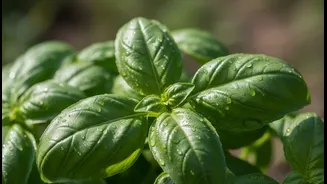
The compounds responsible for an herb's signature scent are called volatile organic compounds (VOCs), which include chemicals like terpenes, esters, and phenols. Linalool gives basil its sweet, floral-woody character, while carvone is responsible for the distinct scent of spearmint. These molecules are incredibly delicate and sensitive to their environment. Exposure to heat, light, and even the act of chopping can cause them to break down or dissipate. This is why a bunch of parsley smells intensely 'green' when you first bring it home, but that aroma can fade over a few days in the fridge. The key to great cooking with herbs is understanding how to preserve and best release these precious compounds.
Tender vs. Hardy: A Question of Timing
Not all herbs are created equal when it comes to handling heat. They generally fall into two categories: tender and hardy. Tender, soft-stemmed herbs like parsley, cilantro, basil, mint, and dill are packed with moisture and have extremely delicate flavours. Their volatile oils disappear quickly when exposed to high temperatures. For this reason, they should be added at the very end of the cooking process, often just a minute or two before serving, or used as a fresh garnish. Hardy herbs, on the other hand, have tough, woody stems and more resilient leaves. Think of rosemary, thyme, sage, and oregano. These herbs benefit from longer cooking times, which help to soften their texture and slowly infuse their more robust, complex flavours into the entire dish. Adding them early in the cooking process allows their aromatic oils to fully bloom.
Techniques to Maximise Fragrance
To get the most aromatic bang from your herbs, a little technique goes a long way. When chopping, use a very sharp knife to avoid bruising the leaves, which releases their essential oils prematurely. For an immediate burst of scent, try gently rubbing or clapping the leaves between your palms before adding them to a dish. Another powerful method is creating herb-infused oils or butters. Gently heating herbs like rosemary in oil and then letting it steep off the heat creates a flavourful base you can use for weeks. For tender herbs, simply blending them into softened butter creates a compound butter that melts beautifully over cooked vegetables or meats, releasing a fresh, vibrant aroma right at the table. Even the way you garnish matters; a whole sprig of thyme on a finished plate isn't just for looks—it brings the herb's fragrance right under your nose as you eat.