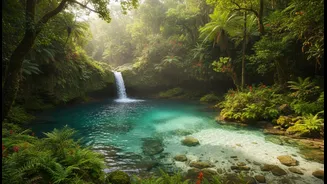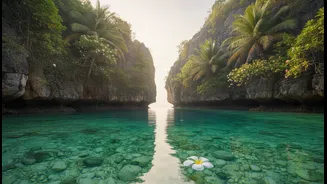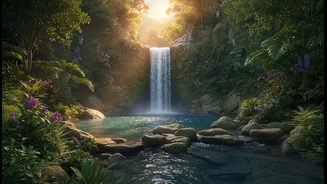




The Age of the Instagram Hotspot
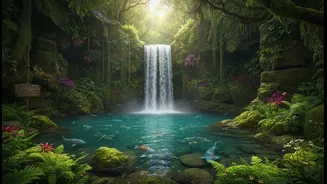
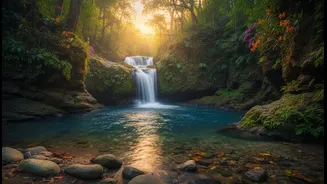
It wasn't long ago that travel discovery was driven by word-of-mouth or flipping through a guidebook. Social media, especially Instagram and TikTok, changed everything. A single viral video could transform a quiet village or secluded waterfall into a global
must-see destination almost overnight. This phenomenon, dubbed 'Instagram tourism', meant that a place's 'Instagrammability' became a powerful driver of its popularity. Studies have shown that a huge percentage of younger travellers are influenced by images they see on social media when planning their trips. This has led to a homogenisation of travel, where thousands flock to the same photogenic locations to capture the exact same shot, often overwhelming local infrastructure.
The Rise of Travel 'Gatekeeping'
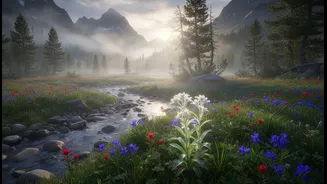
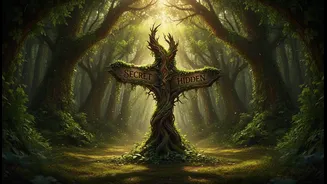
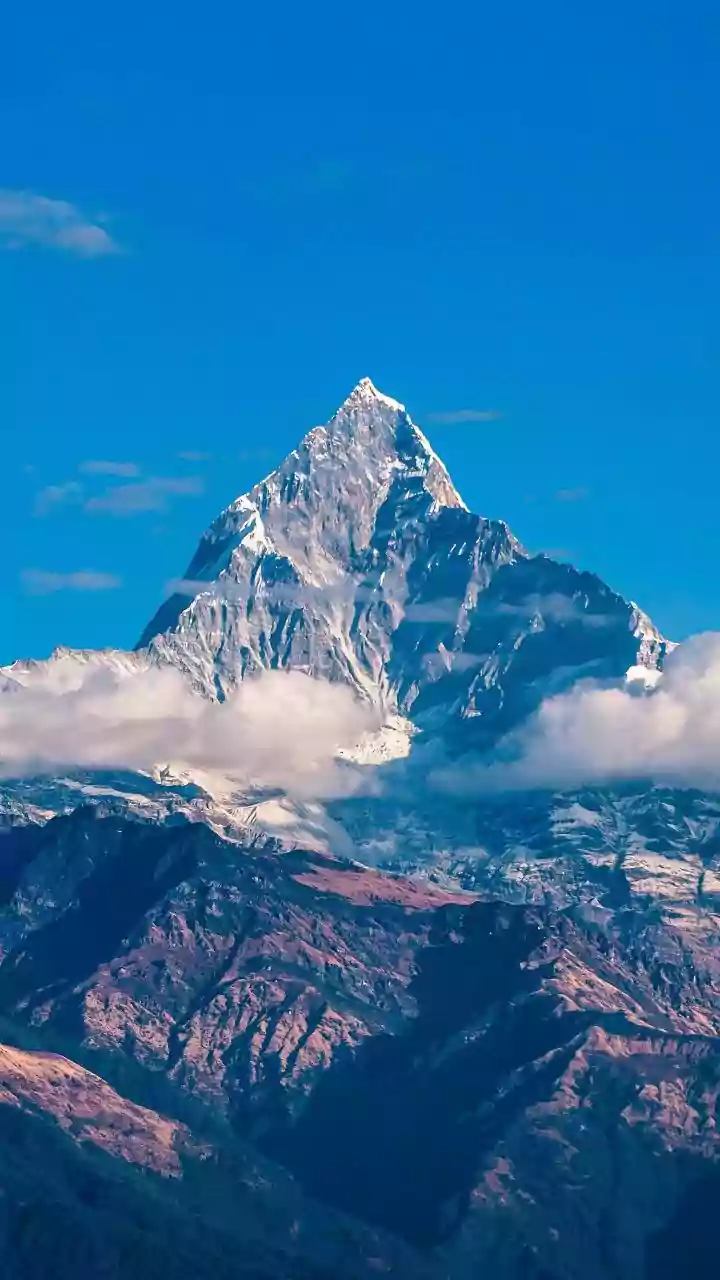
In response to this explosion of social media-fuelled tourism, a counter-trend has emerged: gatekeeping. Travellers are increasingly choosing not to share the locations of beautiful places they find. This might mean posting a stunning landscape photo without a geotag, or deliberately being vague about the name of a village or trail. This practice of 'digital silence' is a conscious choice to protect places from becoming the next viral hotspot. For some, it’s a way to preserve the magic of a place they love, fearing that once a secret is out, it will lose its value. While some criticize it as selfish, others see it as a responsible reaction to seeing beloved places change too quickly.
A Reaction to Overtourism
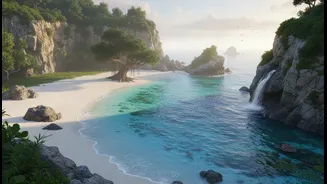
This instinct to protect hidden gems is not just about exclusivity; it's often a direct response to the negative impacts of overtourism. When a location goes viral, the consequences can be severe: fragile ecosystems are damaged, litter accumulates, and local communities are strained. In places like Goa's Fontainhas Latin Quarter, the constant influx of tourists seeking photos has led to frustration among residents, who feel their neighbourhood has been turned into a backdrop. In other parts of the world, authorities have had to restrict access to popular sites like Thailand's Maya Bay or introduce visitor limits in cities like Venice to manage the crowds. For many travellers, keeping a place quiet is a form of conservation.
The Psychology of a Secret
There is also a deeper, more personal reason for not sharing. The joy of discovery is a powerful part of the travel experience. Finding a place that isn't plastered all over the internet provides a sense of personal connection and adventure that a well-documented hotspot cannot. It’s about the experience itself—the wrong turns, the spontaneous conversations with locals, the unexpected discovery—rather than just getting the perfect photo. For many, this personal connection is something to be treasured, not broadcasted. The decision to not post can be a way to reclaim the intimacy of travel and push back against the pressure to turn every moment into shareable content.
Is Anything Truly Hidden Anymore?
In a world of satellite maps and constant connectivity, the idea of a truly 'hidden' place may be a romantic illusion. Perhaps the focus shouldn't be on secrecy, but on intentionality. Instead of simply gatekeeping, a more sustainable approach involves mindful sharing. This could mean providing broader regional tags instead of exact coordinates or using captions to educate followers about responsible tourism, local culture, and environmental fragility. The real challenge is not to hide the world from each other, but to learn how to explore it with respect. It means shifting the goal from accumulating geotags to accumulating meaningful experiences, supporting local communities, and leaving places as good as, or better than, we found them.