
The Appeal of the Emerald Jungle
For decades, the monsoon season, from roughly July to September, was considered the off-season for wildlife tourism. Many national parks would close their core zones to protect the habitat during the breeding season and prevent vehicles from getting stuck
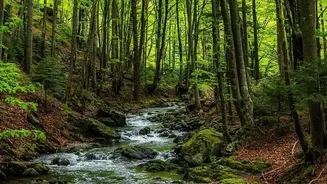
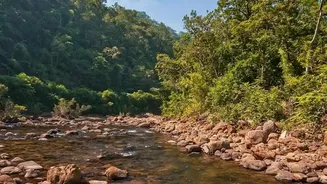
on slushy trails. However, a shift is underway. A growing number of travellers are discovering the unique magic of a monsoon safari. The parched summer landscapes transform into a vibrant, emerald paradise. The air is clean and dust-free, the skies are dramatic, and the forest feels rejuvenated and full of life. This atmospheric experience, combined with fewer tourists, offers a more intimate and peaceful connection with nature.
Which Parks Are Open for Business?
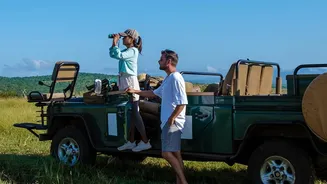
While it's true that most core areas of major tiger reserves close, many parks keep their buffer zones or specific gates open for safaris, offering a fantastic alternative. Tadoba-Andhari Tiger Reserve in Maharashtra is a prime example, with several of its buffer gates like Moharli and Kolara remaining accessible. Similarly, Ranthambore in Rajasthan keeps zones 6 through 10 open for safari enthusiasts. In Uttarakhand, Jim Corbett National Park allows visitors into its Jhirna and Dhela zones year-round. Down south, parks like Periyar in Kerala and Nagarhole (Kabini) in Karnataka are celebrated monsoon destinations, with boat safaris in Periyar offering a unique way to spot elephants and other animals along the lush banks of the lake.
Different Season, Different Sightings
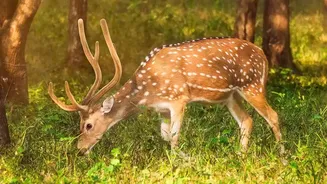
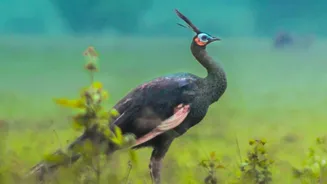
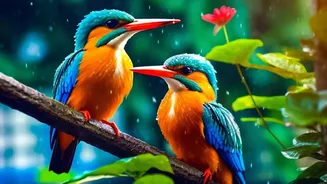
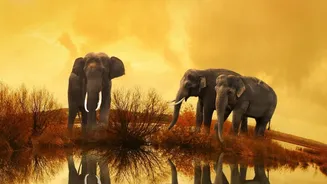
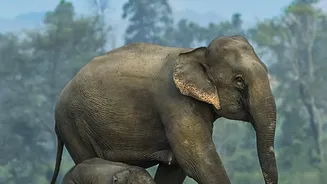
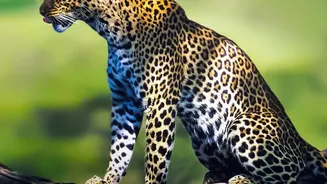
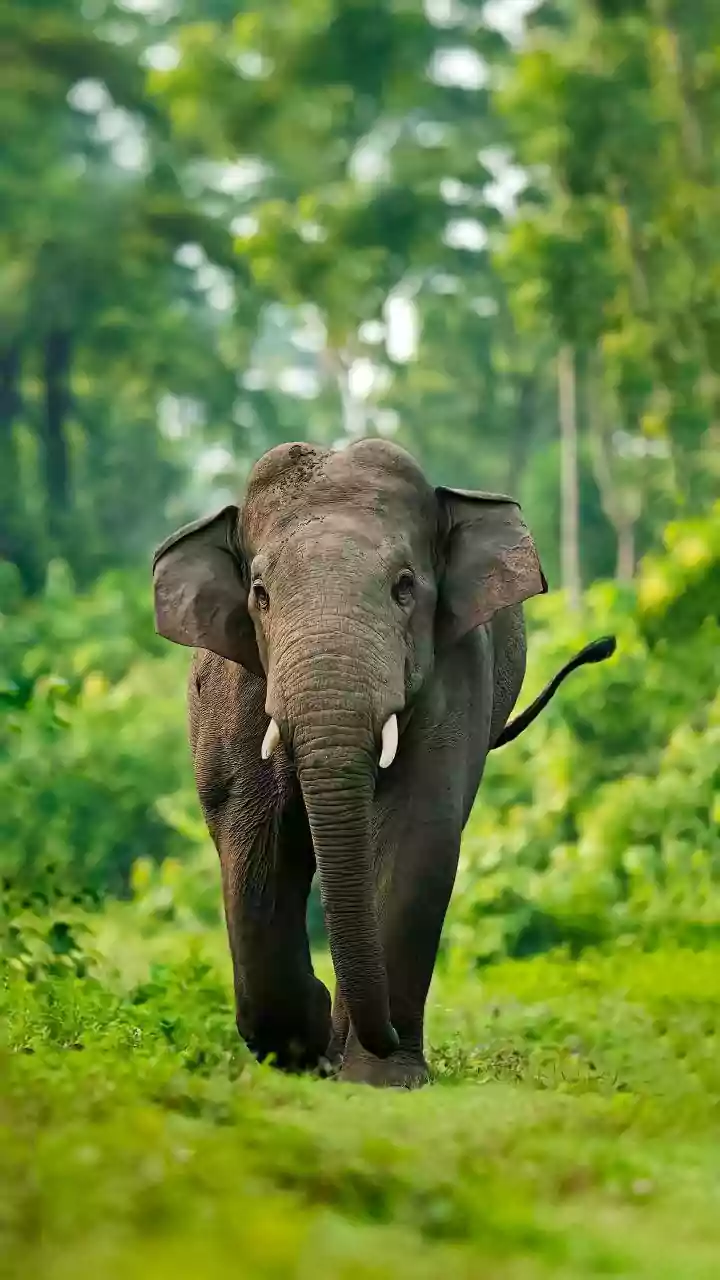
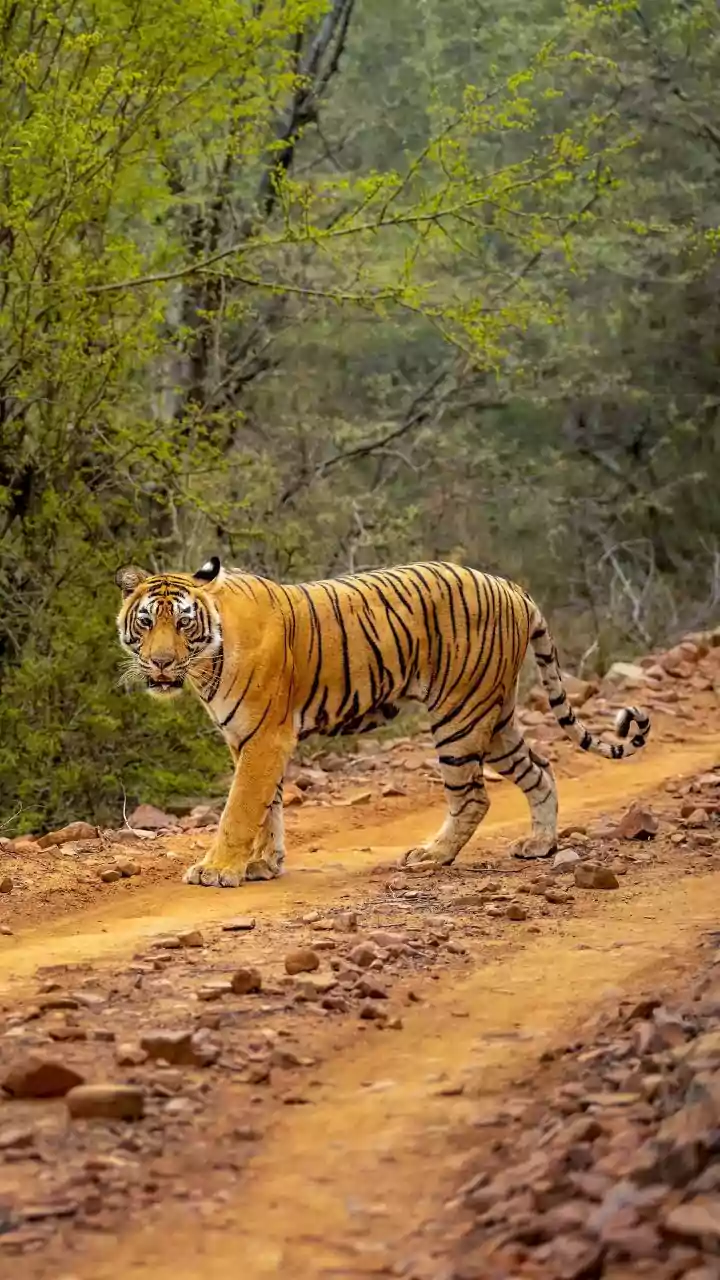
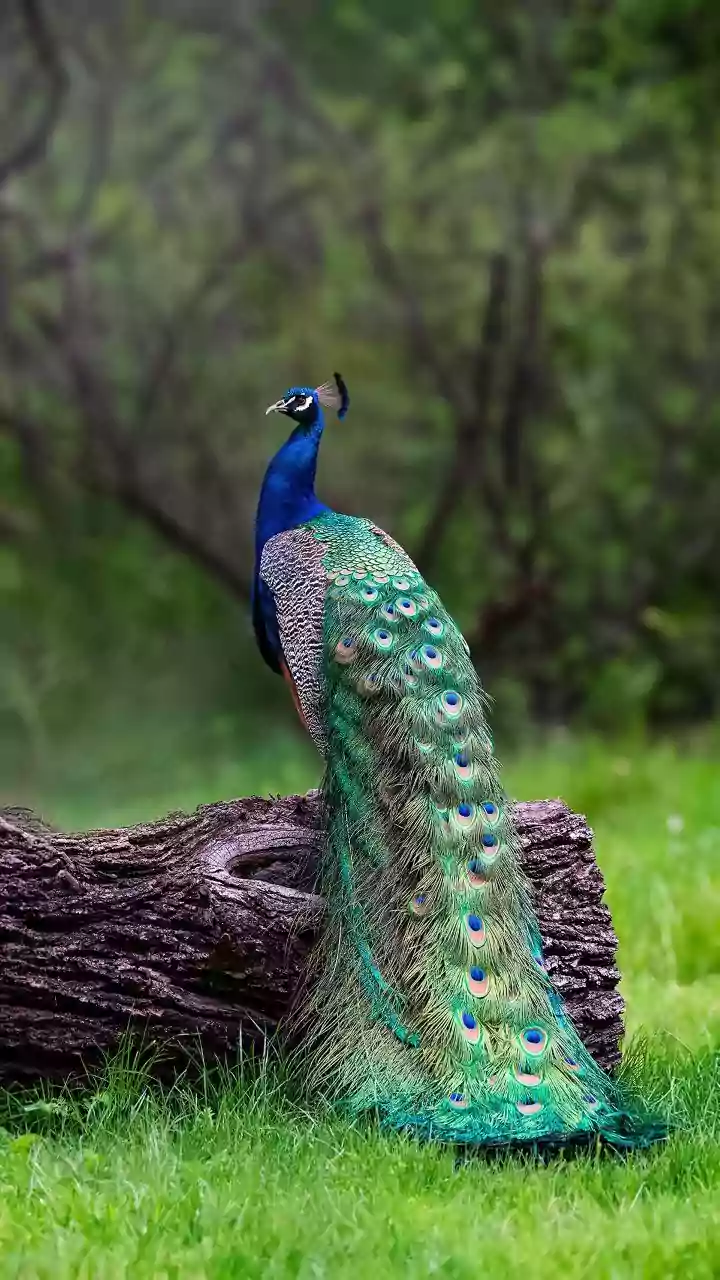
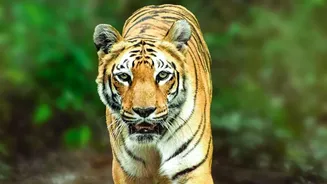
A monsoon safari requires a slight adjustment in expectations. With water readily available everywhere, animals are more dispersed and not concentrated around a few waterholes. However, this doesn't mean sightings are impossible. In fact, some animals are more active. The rains bring out a stunning diversity of reptiles and amphibians. Birdwatching is phenomenal, with many species engaging in breeding activities. Peacocks, with their magnificent plumage, are famously more likely to dance in the rain. While spotting a tiger might require more patience due to the dense foliage, predators like tigers and leopards must still patrol their territories, and the rain can wash away scent markings, forcing them to be more active. Herds of elephants are often seen enjoying the fresh vegetation.
The Practical Perks of an Off-Season Trip
Beyond the aesthetic appeal, travelling during the monsoon has tangible benefits. The most obvious is the significant reduction in crowds. Fewer jeeps mean a quieter, more serene jungle experience, allowing you to hear the symphony of the forest without constant engine noise. This 'off-season' status can also translate into better deals on accommodation and travel, making it a more budget-friendly option. For photographers, the diffused light created by overcast skies is often better for capturing rich colours and dramatic scenes than the harsh sunlight of the dry season.
How to Prepare for a Rainy Adventure
A monsoon safari does require specific preparation. Waterproofing is key. Pack a reliable raincoat or poncho and waterproof bags for your camera gear and electronics. Sturdy, waterproof footwear with good grip is essential for navigating wet and sometimes slippery terrain. Quick-dry clothing is far more practical than cotton. Insect repellent is a must, as the humid conditions mean more mosquitoes and other insects. In some regions, leech socks are a wise investment. It's also important to remain flexible; heavy downpours can sometimes lead to the temporary closure of safari routes for safety. Booking your safaris and accommodation in advance is still recommended, as a limited number of vehicles are permitted.