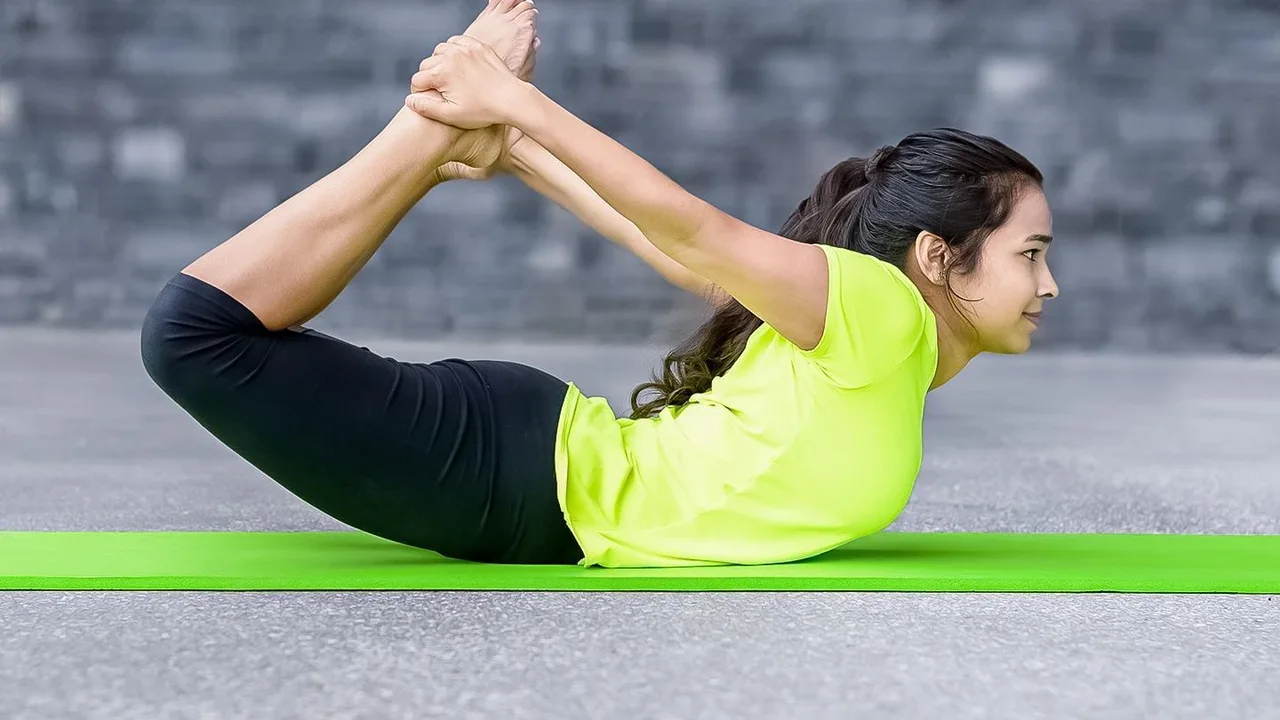


Start With Your Breath
Before you even start stretching, take a moment to focus on your breath. Controlled breathing can quickly calm your nervous system and lower stress levels. A simple technique is 'Box Breathing', used to help people stay calm under pressure. Inhale slowly
for four seconds, hold your breath for four seconds, exhale for four seconds, and then hold again for four seconds. Repeating this cycle for just a minute or two can make a huge difference, sending a signal to your body and brain that it's time to relax.
Mountain Pose (Tadasana)
This pose may look simple, but it is a powerful way to feel grounded and focused. Stand with your feet hip-width apart and press them firmly into the floor, as if you have roots growing into the earth. Stand tall, relax your shoulders away from your ears, and let your arms rest at your sides. Imagine a string pulling the crown of your head gently toward the sky. Taking a few slow, deep breaths here can help clear away mental fog and prepare you for a day of learning.
Cat-Cow Stretch (Marjaryasana-Bitilasana)
Hours spent hunched over books can lead to a stiff back and shoulders. The Cat-Cow stretch is perfect for releasing that tension. Start on your hands and knees, with your wrists under your shoulders and your knees under your hips. As you inhale, drop your belly, lift your chest and look forward (Cow Pose). As you exhale, round your spine toward the ceiling and tuck your chin to your chest (Cat Pose). Continue flowing between these two poses for five to ten breaths, matching your movement to your breath. This gentle movement invigorates the spine and nervous system.
Child's Pose (Balasana)
When you feel completely overwhelmed, Child's Pose is a comforting, restorative posture that can help calm your mind. From your hands and knees, sit back on your heels, then fold forward, resting your forehead on the floor. Your arms can be stretched out in front of you or resting alongside your body. This pose gently stretches the back and hips and provides a sense of safety and calm. Stay here for as long as you need, focusing on deep, slow breaths.
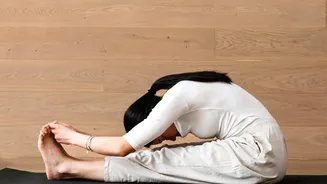
Seated Forward Bend (Paschimottanasana)
Stress is a known memory killer, and this pose is excellent for calming the nervous system. Sit on the floor with your legs stretched out in front of you. As you exhale, hinge forward from your hips, reaching for your feet. Don't worry about how far you can go; the goal is to feel a gentle stretch in your hamstrings and lower back. This pose helps relieve anxiety and quiet the mind, making it easier to tackle complex subjects without feeling overwhelmed.
Tree Pose (Vrikshasana)
Balancing poses are fantastic for improving concentration because they demand your full attention. To practice Tree Pose, stand tall and shift your weight onto one foot. Place the sole of your other foot on your ankle, calf, or inner thigh, avoiding the knee joint. Bring your hands together at your chest. To maintain balance, fix your gaze on a single, non-moving point in front of you. Holding this pose trains your mind to be patient and present, which is incredibly useful during long study sessions.
Legs-Up-the-Wall Pose (Viparita Karani)
This is a simple and incredibly relaxing pose to do after a long day. Lie on the floor and swing your legs up so they rest against a wall. Keep your arms relaxed by your sides and close your eyes. Staying in this gentle inversion helps increase blood flow to the brain, which can improve clarity and reduce fatigue. Try to stay here for at least five minutes, focusing on the sensation of release and relaxation in your legs and lower back.