
What Exactly is Friselle?
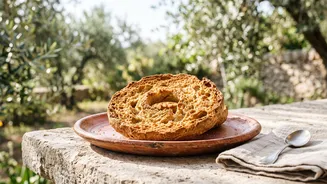
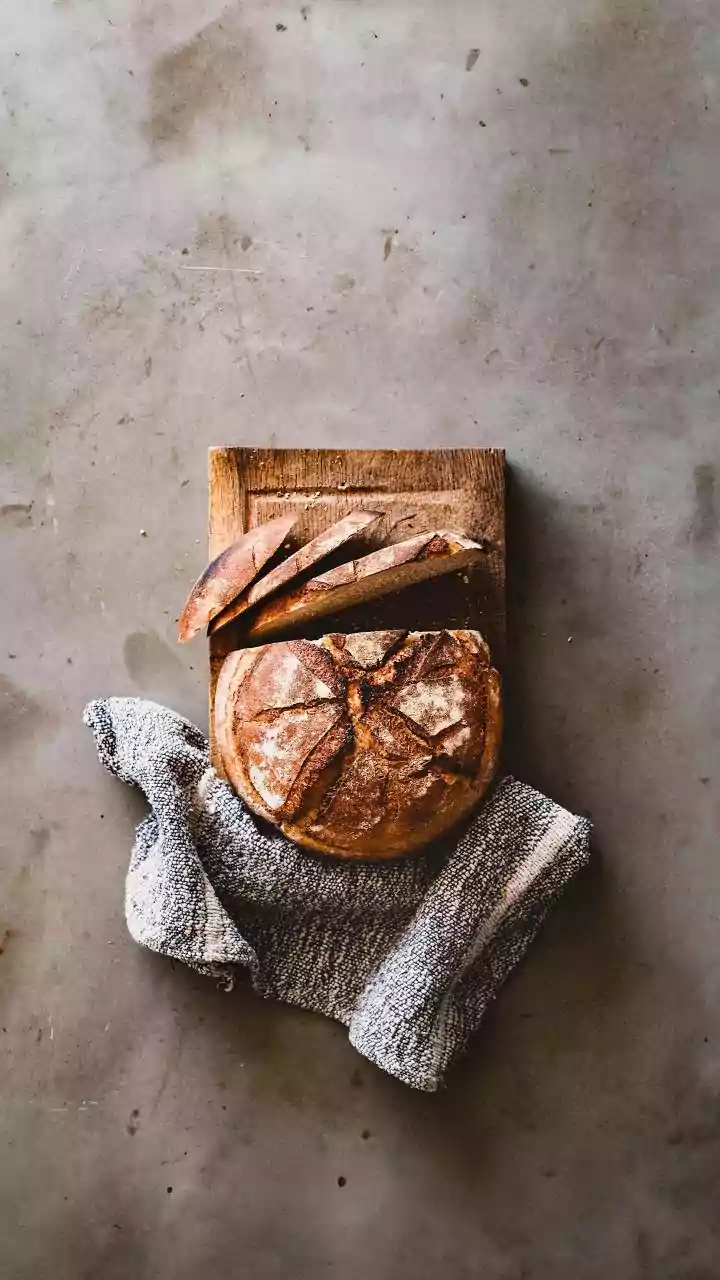
Imagine a rustic, bagel-shaped bread that’s as hard as a rock but transforms into a delightful meal. That’s friselle. Hailing from the sun-drenched regions of Southern Italy like Puglia, Campania, and Calabria, friselle (or freselle) is a twice-baked
bread. The dough, often made from durable durum wheat or barley flour, is first shaped into rings and baked. Then, while still warm, the rings are cut in half horizontally and baked a second time. This double-baking process, known as 'biscottatura', is the key to its unique texture and incredible shelf life. Think of it as a savoury cousin to biscotti or a more rustic version of the Indian rusk, but with its own distinct culinary purpose.
The Ancient Secret to its Longevity
The primary reason friselle can last for months, and sometimes up to a year if stored correctly, is its extremely low moisture content. The second, slow bake effectively dehydrates the bread, removing the water that mould and bacteria need to thrive. This was a brilliant preservation method invented long before refrigeration. Historically, friselle was the perfect provision for sailors on long sea voyages and farmers working in distant fields. It is sometimes even called the 'bread of the Crusaders', as it was a reliable food source for soldiers on long journeys. The hole in the centre was practical, allowing the bread rings to be strung on a rope for easy transport and storage, keeping them away from pests and dampness.
From Rock-Hard to Ready-to-Eat
You do not bite directly into a dry frisella—unless you want a trip to the dentist. The magic of this bread lies in its rehydration. The traditional method, called 'sponzare' in Italian, involves a quick dip in water for just a few seconds. In ancient times, sailors would simply dip it in clean sea water. This brief bath softens the coarse, porous interior while the smooth outer crust often retains a satisfying crunch. The goal is to make it pleasantly yielding, not mushy. Once softened, the frisella becomes the perfect canvas for flavour.
A Perfect Base for Toppings
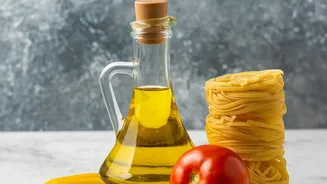
Once softened, friselle is rarely eaten plain. It serves as a sturdy base for a host of toppings, much like a bruschetta but with a more substantial texture. The quintessential preparation is simple and captures the essence of Mediterranean cuisine: chopped ripe tomatoes, a generous drizzle of extra-virgin olive oil, a sprinkle of salt, and a pinch of oregano. The rough, absorbent surface of the bread soaks up the tomato juice and olive oil beautifully. But the possibilities are endless. Other popular toppings include olives, capers, anchovies, tuna, or even bean salads. It’s a versatile dish that can be a quick snack, a light lunch, or a flavourful appetiser.
Bringing Friselle into Your Kitchen
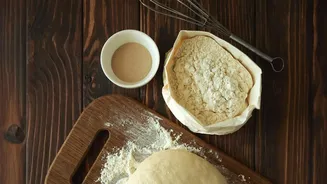
While you can find authentic friselle in Italian speciality stores, making them at home is a rewarding project. The basic ingredients are simple: flour (traditionally durum wheat, but whole wheat and all-purpose flour also work), water, yeast, and salt. The process involves making a standard bread dough, shaping it into rings, letting it rise, and then performing the crucial two-step bake. After the first 20-25 minute bake, the rings are cooled slightly, sliced in half, and returned to a lower-temperature oven for a much longer second bake to dry them out completely. Once cooled, store them in a sealed, airtight container away from moisture, and you’ll have a supply of this delicious, historic bread ready to go whenever you need it.