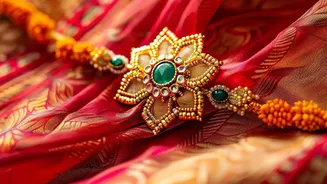


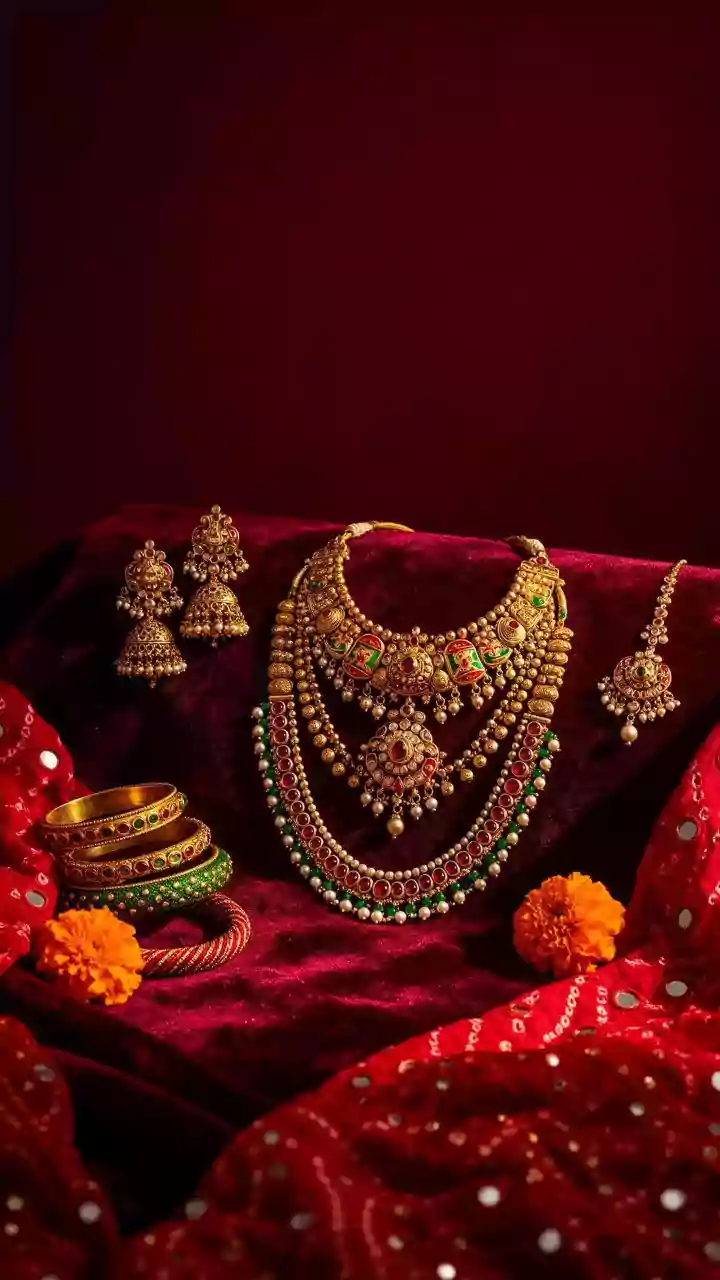


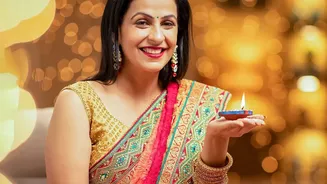

From a bride’s intricate adornments to a newborn's tiny bangle, pure gold is woven into the fabric of South Asian life. More than just a precious metal, it is a powerful symbol of prosperity, security, and a connection that transcends generations.
A Symbol of Purity and Prosperity
In South
Asian traditions, particularly within Hinduism, gold is considered inherently pure and auspicious. Unlike other metals, it does not tarnish or corrode, a physical quality that reflects its spiritual symbolism of eternal purity. This is why it is the metal of choice for religious idols and ceremonial objects. Gold is deeply associated with Goddess Lakshmi, the deity of wealth and prosperity. Gifting, receiving, or purchasing gold, especially during festivals like Diwali, Dhanteras, and Akshaya Tritiya, is seen as an act of inviting her divine blessings into the home, ensuring good fortune and abundance for the family. This belief transforms an ornament into a sacred vessel of hope and spiritual well-being.
A Woman’s Financial Bedrock
Historically, gold jewellery has served a critical function as 'Streedhan', or a woman's wealth. This refers to the voluntary gifts a woman receives from her family before, during, and after her wedding, over which she has absolute ownership. In a time when property inheritance laws were not favourable to women, gold provided a vital form of financial security. It is a portable, liquid asset that belongs solely to the bride, offering her a safety net and a degree of financial independence in her new life. This tradition, upheld by Indian law, elevates bridal jewellery from mere decoration to a powerful tool of female empowerment and security, a practice that continues to hold profound importance.
The Unbreakable Thread of Legacy
Beyond its financial and spiritual value, gold is a powerful emotional anchor that connects generations. When a mother passes down a pair of bangles she wore at her own wedding, or a grandmother gifts a chain to a new baby, the object carries more than just monetary worth. It becomes a tangible piece of family history, imbued with memories, stories, and blessings. These heirlooms serve as a constant reminder of ancestral roots and enduring love. Wearing a piece passed down through the family is an act of honouring one's heritage and carrying the legacy of those who came before. It’s a tradition that ensures family bonds remain as strong and untarnished as the gold itself.
Marking Life’s Sacred Milestones
Nearly every significant ritual in South Asian life is marked with gold. At weddings, a bride adorned in gold is a vision of prosperity and divine blessing. The 'mangalsutra', a sacred necklace the groom ties around the bride's neck, almost always contains gold and symbolises their union and his commitment. Gold bangles are believed to bring luck and happiness to the marriage. The birth of a child is often celebrated with the gift of a small gold chain or bracelet. Even housewarming ceremonies and major festivals see families purchasing gold, no matter how small the amount, to commemorate the occasion and usher in good fortune.