
Sourcing Your Blooms Mindfully
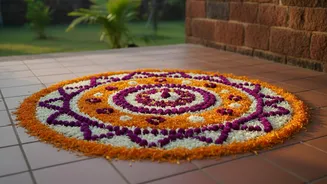
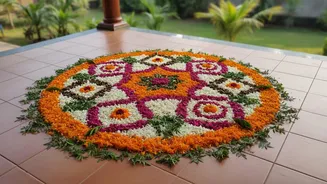
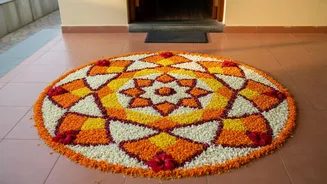
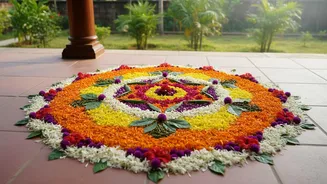
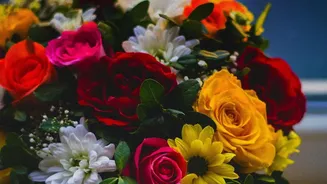
A sustainable pookkalam begins long before the first petal is placed. Instead of opting for exotic flowers that travel long distances, explore your local market for seasonal blooms like marigolds, jasmine, and chrysanthemums. These are not only traditional
choices but also have a smaller carbon footprint. Better yet, look to your own garden or neighbourhood for flowers, leaves, and other natural elements. When you do shop, ask for loose flowers to avoid plastic packaging. This simple shift away from plastic-wrapped bouquets reduces a significant amount of festival-related waste.
Get Creative with Natural Colours
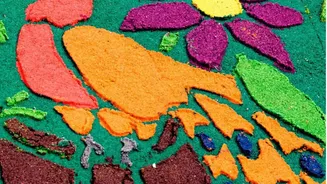
A lower-waste pookkalam doesn't mean a less colourful one. You can reduce the sheer volume of flowers needed by incorporating other natural materials. Brightly coloured spices from your kitchen, such as turmeric for a vibrant yellow and kumkum for red, can create stunning details. Rice flour provides a classic white outline for your design. You can also experiment with coloured rice, lentils, pulses, and even grated coconut waste to fill in sections of your pattern, adding unique textures and depth. Using leaves of different shapes and shades of green is another excellent way to add contrast and bulk to your design sustainably.
Building a Waste-Free Foundation
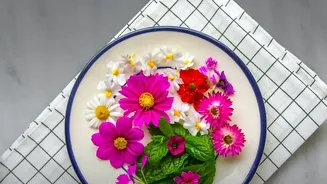
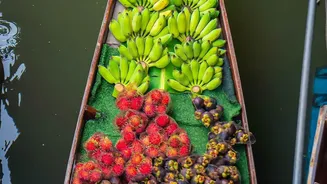
The base of your pookkalam is a key area where you can easily cut down on waste. Instead of laying down a plastic sheet, which is a common but polluting practice, consider more traditional and eco-friendly options. A freshly cleaned patch of floor works perfectly, as was done traditionally. For a more defined base, large, overlapping banana leaves create a beautiful, natural canvas that can be composted along with the flowers. If you are creating a smaller pookkalam indoors on a platter, opt for a reusable brass, steel, or ceramic plate instead of a disposable one.
The Afterlife of Your Pookkalam
What happens after Onam is just as important as the celebration itself. Once the festivities are over, resist the urge to simply sweep the floral arrangement into the dustbin, from where it will end up in a landfill producing harmful methane gas. Flower petals, leaves, and stems are valuable organic materials, rich in nitrogen, perfect for composting. If you have a home compost bin, this is the ideal destination for your pookkalam waste. Before composting, make sure to remove any non-biodegradable items like diyas or threads. Chop the stems and tougher parts into smaller pieces to help them break down faster. If you don't have a compost system, you can bury the floral waste directly in your garden soil in a small trench, where it will decompose and enrich the earth.