





The Fibre Factor: What’s Lost in Juicing
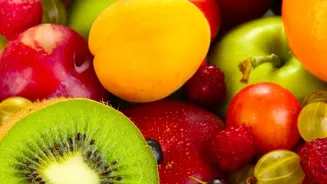
The most significant difference between eating a whole fruit and drinking its juice comes down to one crucial component: dietary fibre. When you eat an apple or an orange, you consume the pulp and sometimes the skin, which are packed with fibre. This
fibre is essential for good digestive health, but it also plays a vital role in how your body handles sugar. The fibre slows down the absorption of fructose (the natural sugar in fruit), leading to a more gradual increase in blood sugar levels. The juicing process, however, strips away most of this insoluble fibre, leaving behind a liquid that your body processes very differently. Without the fibre to slow things down, the sugar from juice hits your bloodstream much more quickly, causing a rapid spike and subsequent crash in blood sugar, similar to how your body processes other sugary drinks.
The Great Sugar Debate
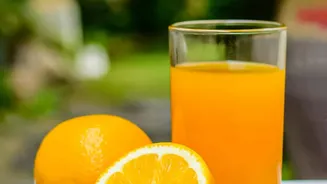
Think about how many oranges it takes to make a single glass of juice. You might drink the juice of three or four oranges in a few minutes, but you would be unlikely to eat that many whole oranges in one sitting. This is the core of the issue: juice concentrates the sugar and calories of multiple fruits into one, easy-to-consume serving. The World Health Organization classifies the sugar in 100% fruit juice as 'free sugars', the same category as sugars added to drinks and foods. In contrast, the sugar in whole fruit is 'intrinsic', meaning it is bound within the fruit's cellular structure. This structure, which includes fibre, forces your body to work harder to release the sugar, making whole fruit a more balanced option. The rapid absorption of free sugars from juice can contribute to weight gain over time, especially in children.
Satiety and Fullness: Drink vs. Food
One of the most practical differences is how full you feel after consumption. Eating a whole fruit is a more satisfying experience. The act of chewing sends signals to your brain that you are eating, and the fibre content helps you feel fuller for longer. Studies have shown that consuming a whole apple before a meal increases feelings of satiety far more than drinking apple juice. Juice, being a liquid, is consumed quickly and does not provide the same feeling of fullness. This can lead to overconsumption, as you might drink a glass of juice and still feel hungry enough to eat a full meal shortly after, adding extra calories to your daily intake.
The Right Serving Size for Juice
So, does this mean you should never drink fruit juice? Not necessarily. While whole fruit is the clear winner for daily nutrition, fresh juice can have a place in a balanced diet if consumed in strict moderation. Health experts recommend limiting your intake of 100% fruit juice to a small glass, around 150ml, per day. It is also advised to count this small glass as only one of your 'five a day', no matter how much more you drink. This portion control is crucial to avoid the negative effects of concentrated sugar. When you do have juice, consider it a treat rather than a primary source of fruit. Also, be mindful of packaged juices that may contain added sugars, preservatives, or very little actual fruit content. Reading labels is key.