








More Than Just a Small Flat
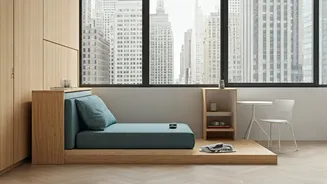
When we talk about 'compact living', we're not just referring to a small apartment. It’s a design philosophy and a lifestyle born out of necessity. In cities like Mumbai, Bengaluru, and Delhi, the standard 1BHK is becoming smaller, and studio apartments
are no longer just for students. This trend encompasses micro-apartments (under 300 sq. ft.), cleverly designed one-room homes, and a rising demand for properties that prioritise a prime location over sheer square footage. The focus has shifted to hyper-efficient layouts, multi-functional furniture, and community amenities that extend the living space beyond the four walls of the home. Developers are increasingly marketing 'smart' or 'efficient' homes that promise a full-featured lifestyle in a minimal footprint.
The Economic Reality Check
Let's be clear: the primary driver of this trend isn't a sudden, widespread adoption of minimalism. It's economics. Property prices in India's top urban centres have consistently outpaced income growth for years. For a young professional or a new family, the choice is often between a long, gruelling commute from an affordable suburb or a smaller, more expensive home in the heart of the city. Most are choosing the latter. The 'walk-to-work' or 'short-commute' lifestyle is a valuable commodity. This has led to a market where the cost per square foot is the king metric, forcing buyers and renters to accept less space to gain access to jobs, infrastructure, and social opportunities that only city centres can offer. A compact home is, for many, the only feasible entry point into the urban property market.
A New Urban Dweller Emerges
The demographic profile of our cities is also changing, fuelling the compact living trend. The traditional multi-generational family home is giving way to a higher number of nuclear families, single-person households, and DINKs (Dual Income, No Kids). These individuals and couples often have different priorities. They eat out more, travel frequently, and spend less time at home. For them, a large home with multiple bedrooms and high maintenance isn't an asset; it's a liability. They value experiences over possessions and location over size. This demographic is more willing to trade a guest room for a balcony with a view or a shorter commute that frees up two hours of their day. Their lifestyle is perfectly suited to a smaller, well-located, and efficient living space.
The Minimalist Label: Aspirational or Actual?
While economics provides the push, a cultural shift provides the pull. The global trends of minimalism and conscious consumption have given a stylish, aspirational gloss to what is, for many, a financial compromise. Instagram and Pinterest are filled with images of beautifully curated tiny homes and aesthetically pleasing minimalist apartments. This makes the idea of downsizing feel less like a sacrifice and more like a deliberate, sophisticated lifestyle choice. Brands have been quick to capitalise, offering innovative storage solutions, modular furniture, and smart home technology designed for small spaces. While a genuine desire for a simpler, less cluttered life motivates some, for many others, the 'minimalist' tag is a way to feel good about a choice that was largely made for them by the market.
The Challenges of Shrinking Space
Despite the stylish branding, compact living isn't without its significant downsides. The lack of personal space can be a strain on mental health, especially for families with children or couples who both work from home. The dream of a community-oriented building with shared amenities can quickly turn into a nightmare of overcrowded gyms and booked-out party halls. Furthermore, as apartments shrink, the pressure on public infrastructure—parks, roads, public transport—intensifies. If the city outside your door doesn't offer high-quality public spaces to escape to, a small home can quickly feel claustrophobic and isolating. The success of compact living depends heavily on thoughtful urban planning that supports high-density life, not just on clever interior design.