





The Foundation: Flexible Folding Furniture
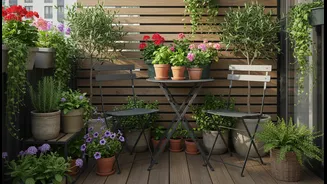
The first step to reclaiming your balcony floor is to rethink your seating and surfaces. Bulky furniture is the primary culprit in making small spaces feel cramped. Folding furniture is the perfect solution, offering functionality without a permanent
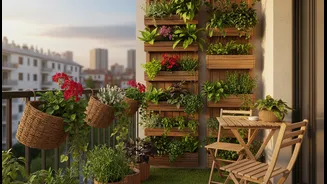
footprint. A classic bistro set, featuring a small table and two chairs, can be folded and tucked away when not in use, instantly freeing up space. Look for wall-mounted tables that drop down when needed and fold flat against the wall afterwards. Single folding chairs or stools can be brought out for guests and stored easily. For materials, consider powder-coated aluminium, which is lightweight, rust-proof, and ideal for Indian climates. Teak is another excellent, durable option, naturally resistant to water and insects.
Go Vertical: Strategic Plant Layouts
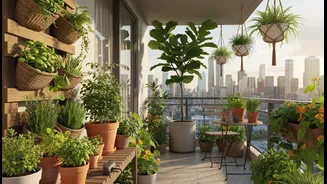
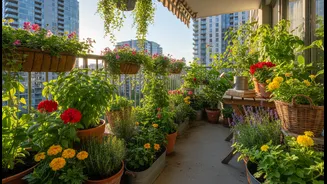
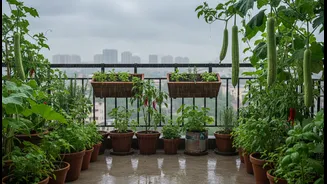
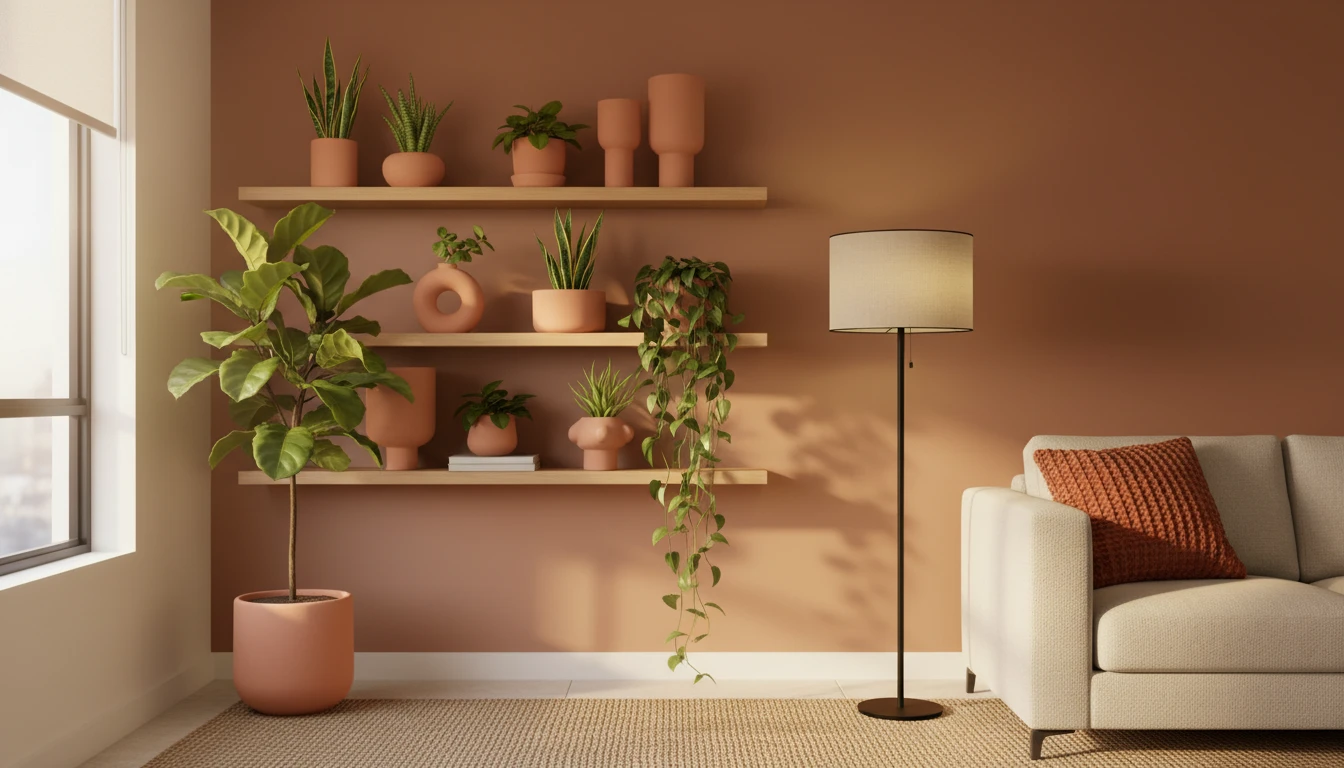
With the floor space clear, it's time to think upwards. Vertical gardening is the most effective way to introduce lush greenery without sacrificing precious square footage. Instead of placing pots on the ground, utilize your walls and railings. Railing planters are a simple starting point, perfect for growing flowers, herbs, or trailing plants that create a beautiful cascade of green. Wall-mounted grids, shelves, or fabric pocket planters can turn a blank wall into a living work of art. A ladder-style plant stand offers multiple tiers for pots while occupying a minimal footprint. You can also use hanging baskets at varying heights to add depth and visual interest, drawing the eye upward and making the space feel larger.
Creating Zones and Depth
Even on a narrow balcony, you can create the illusion of distinct zones. Designate one corner for a cosy seating nook with your folding furniture, and another for your primary plant display. This separation helps the space feel more organised and intentional. Use plant arrangements to create layers and depth. Place taller plants, like a dwarf ficus or palm, in the back against a wall. Layer medium-sized plants in front of them using a tiered stand, and position smaller pots or trailing plants at the very front or in railing boxes. This technique gives the impression of a much deeper, more immersive garden without actually taking up more room. Combining different textures and foliage sizes also enhances this effect, making the space feel more natural and full.
Plant Selection for Indian Balconies
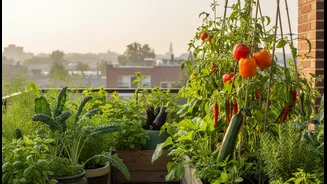
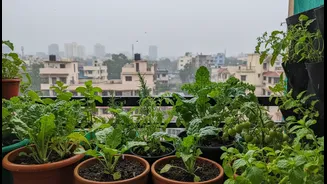
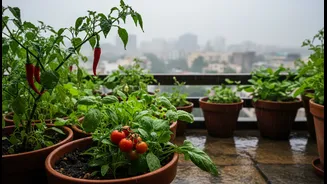
Choosing the right plants is crucial for a thriving balcony garden. Assess your balcony's microclimate—how much sun does it get, and is it windy? For sunny, south-facing balconies, succulents, bougainvillea, lavender, and herbs like basil and mint are great choices. Shadier, north-facing spots are better suited for ferns, ivy, and begonias. Given the often intense Indian sun, drought-tolerant plants can be a low-maintenance option. It’s also wise to consider plant size at maturity. Opt for compact, dwarf, or columnar varieties that won't overwhelm your space. Climbing plants like jasmine or money plants on a small trellis can provide privacy and greenery without a wide base.
Bringing It All Together
The magic happens when you integrate your furniture and plants seamlessly. A wall-mounted folding table can be surrounded by vertical herb planters, creating a functional and fragrant dining spot. A storage bench can provide both seating and a place to keep gardening tools, with planters placed on top. Use your furniture to complement your green corners. A simple folding chair placed next to a tiered plant stand creates an instant reading nook. Add outdoor cushions and throws for comfort, and use string lights or solar lanterns to create a warm and inviting ambience in the evenings. This combination of practical furniture and thoughtfully placed plants ensures every square inch of your balcony is both beautiful and usable.