


The Living Magic of Salt-Brine Pickling
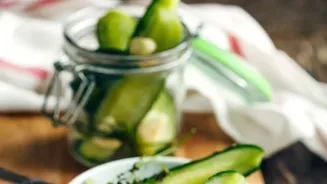
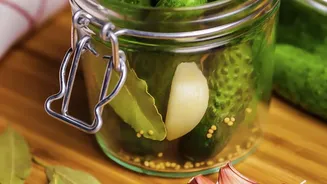
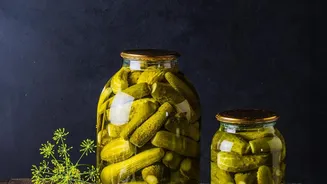
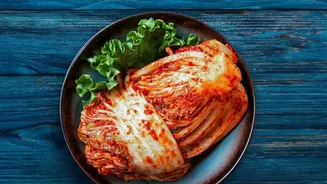
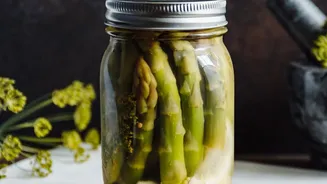
Salt-brine pickling is an ancient, natural preservation method known as lacto-fermentation. It’s a beautifully simple process involving just vegetables, salt, and water. The salt draws water out of the vegetables, creating a brine where only beneficial
bacteria, like Lactobacillus, can thrive. These tiny microbes get to work, consuming the natural sugars in the vegetables and converting them into lactic acid. This lactic acid acts as a natural preservative, creating a tangy flavour and an environment where harmful spoilage-causing bacteria cannot survive. The result is a 'living' food, teeming with probiotics, or good bacteria, which are crucial for our health.
A Boost for Your Gut Health
The primary digestive benefit of salt-brine pickles comes directly from these probiotics. A healthy gut is home to a diverse community of microorganisms, and consuming fermented foods helps replenish and support this internal ecosystem. These beneficial bacteria aid in breaking down food more efficiently, which can improve nutrient absorption and reduce common digestive issues like bloating and gas. Furthermore, research suggests that regular consumption of lacto-fermented vegetables can stimulate the growth of other good bacteria in the gut that produce compounds known for their positive health effects. Think of it as adding reinforcements to your body's digestive army, helping everything run more smoothly.
The Heavy Toll of Oily Preserves
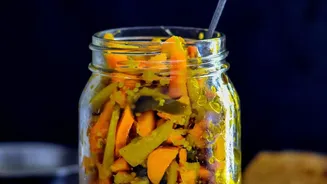
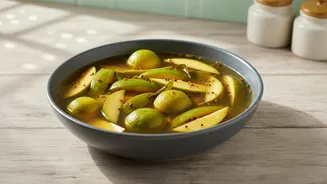
On the other side of the spectrum are heavy-oil pickles, which are the most common form of achaar in many parts of India. Here, oil is the primary preservative, creating a barrier that seals out air and prevents spoilage. While traditional oils like mustard or sesame have their own benefits, the sheer quantity of oil used in many commercial and even homemade pickles can be taxing on the digestive system. This heavy layer of fat can slow down digestion and, for some individuals, trigger acidity or stomach irritation. Unlike their fermented counterparts, most oil-based pickles do not contain probiotics. The preservation method focuses on inhibiting all bacterial growth, not encouraging the beneficial kind. Often, mass-produced oil pickles also contain synthetic preservatives and excess sodium, which can have their own set of health drawbacks when consumed regularly.
Making a Gut-Friendly Choice
This doesn't mean you have to give up your favourite mango or chilli achaar entirely. The key is moderation and mindfulness. Oil-based pickles, especially those that are homemade with high-quality cold-pressed oils and digestive spices like asafoetida (hing) and fennel, can still be part of a balanced diet when eaten in small amounts. However, for daily digestive support, salt-brine pickles are the clear winner. When shopping, look for pickles that are labelled as "fermented" or "probiotic" and are found in the refrigerated section, as pasteurization and heat treatment can kill the live cultures. Reading the ingredient list is your best bet; if vinegar isn’t listed and the pickle is unpasteurized, you're likely holding a gut-friendly, fermented product.