


The September Weather Forecast
September marks a transitional period for India's weather. It's the month when the Southwest Monsoon typically begins its withdrawal from the northwestern parts of the country, while remaining active in other regions. According to the India Meteorological
Department (IMD), the first week of September 2026 is expected to see continued rainfall across northwest, central, and eastern India. Widespread rain is forecast for Himachal Pradesh and Uttarakhand through September 5th. However, the overall outlook for the month suggests that rainfall across the country is likely to be below normal. This creates a mixed bag for travellers: while some mountain areas will still be wet, desert regions might be drying out, offering a different kind of appeal.
The Case for the Mountains
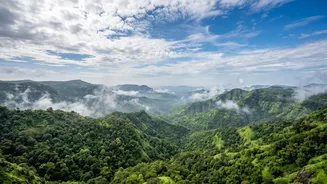
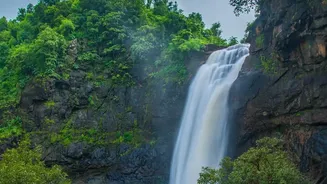
For mountain lovers, September can be a magical time. The post-monsoon period leaves the Himalayas washed clean, with vibrant green meadows and exceptionally clear skies. Destinations like Spiti Valley in Himachal Pradesh become fully accessible, with dry roads and stunning views of the high-altitude desert landscape. In places like Mussoorie and Nainital in Uttarakhand, the hills are lush, waterfalls are full, and the air is crisp and clean with fewer tourists around. However, the risk of rain, especially in the first half of the month, is real. The IMD has forecast heavy rainfall in isolated parts of Himachal Pradesh and Uttarakhand in early September. This can increase the risk of landslides and road blockages, a recurring problem that has impacted tourism in previous monsoon seasons.
Weighing the Hill Station Risks
A mountain holiday in September requires flexibility. While the scenery is at its peak, with blooming flowers and verdant forests, the weather remains unpredictable. Heavy rains, even if sporadic, can disrupt travel plans. Officials often advise tourists to stay away from rivers and landslide-prone areas during heavy downpours. The key is to choose your destination wisely. High-altitude regions in the rain-shadow, like Ladakh and Spiti, are generally safer bets as they receive very little monsoon rainfall. For other popular hill stations in Himachal and Uttarakhand, it’s crucial to check local weather reports and road conditions just before travelling and to have buffer days in your itinerary.
The Allure of the Desert
Traditionally, the scorching summer heat makes Rajasthan a no-go zone for many. But September tells a different story. As the monsoon recedes, it leaves behind a transformed landscape. The Aravalli hills surrounding cities like Udaipur and Bundi are draped in green, and the region’s famous lakes are full. Temperatures become more manageable, typically ranging from 21°C to 35°C. While some parts of Rajasthan might still see scattered rainfall in early September, the weather generally becomes drier and more pleasant as the month progresses, making it an excellent time for sightseeing without the peak season crowds.
What to Expect in Rajasthan
A September trip to Rajasthan offers a unique experience. You can explore the majestic forts of Jaipur, Jodhpur, and Udaipur against a backdrop of dramatic, cloudy skies, which is a photographer's delight. The post-monsoon greenery makes destinations like Mount Abu, Rajasthan's only hill station, and the area around Kumbhalgarh Fort particularly scenic. While some national parks like Ranthambore may have their core zones closed, buffer-zone safaris are often available, offering a chance to see wildlife in a lush environment. The biggest advantage is flexibility; with fewer tourists, you can enjoy iconic sites like the City Palace in Udaipur or Amer Fort in Jaipur at a more relaxed pace.