





What Exactly is 'Gut Health'?
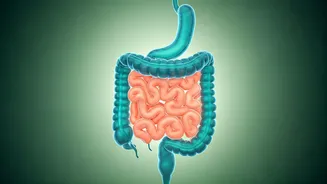
For years, our stomach was just a box to tick in biology class. Now, it's the star of the wellness world. But what are we actually talking about? 'Gut health' refers to the balance of microorganisms living in your digestive tract. Think of your gut as a bustling
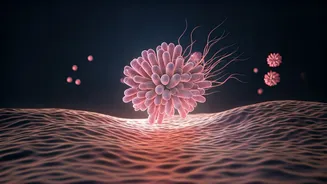
metropolis populated by trillions of bacteria, fungi, and viruses, collectively known as the gut microbiome. In a healthy gut, there's a harmonious balance between beneficial and harmful microbes. When this balance is disrupted—due to stress, poor diet, or antibiotics—it can lead to a host of issues, not just digestive discomfort like bloating or gas, but problems that seem completely unrelated.
The Gut-Brain Connection
One of the most fascinating reasons for the gut's rise to fame is the discovery of the 'gut-brain axis'. This is a direct, two-way communication link between your digestive system and your brain. Have you ever felt 'butterflies in your stomach' when nervous? That's the gut-brain axis in action. Scientists now know this connection is far deeper. A significant portion of the body's serotonin, the 'happy chemical', is produced in the gut. An imbalanced gut microbiome has been linked to anxiety, depression, and mood swings. This understanding has been a game-changer. It reframes gut health not just as a digestive issue, but as a cornerstone of mental and emotional well-being, which resonates deeply in our increasingly stress-filled lives.
From Lab Coat to Lifestyle Trend
So how did this complex scientific concept become a hashtag-worthy trend? The shift was fuelled by a perfect storm of wellness influencers, accessible science communication, and a growing public desire for proactive, holistic health. Social media is flooded with 'What I Eat in a Day for Gut Health' videos. Supermarket shelves are now stocked with probiotics, prebiotics, and kombucha. It's become a status symbol to be knowledgeable about fermentation and fibre. While cynics might dismiss it as another fad, the underlying principle is powerful: people are taking control of their health in a more profound way, looking for root causes rather than just treating symptoms.
The Indian Kitchen's Advantage
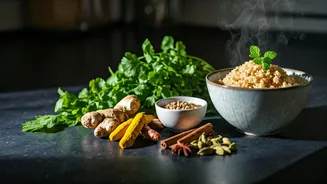
For Indians, this global trend feels surprisingly familiar. Many of the foods now hailed as 'superfoods' for the gut have been staples in our kitchens for generations. A simple bowl of dahi (curd) is a powerhouse of natural probiotics. The fermented goodness of idli and dosa, the tangy kick of homemade achar (pickle), and drinks like kanji are all traditional gut-friendly foods. Ayurveda has for centuries emphasised the importance of 'agni' (digestive fire) for overall health. This trend, therefore, isn't just about importing Western wellness fads; it's also about rediscovering and appreciating the wisdom embedded in our own culinary traditions. It’s a chance to look at our grandmother's advice through a modern scientific lens.
Beyond the Hype: A Sustainable Shift?
Of course, with any trend comes commercialisation. The market is saturated with expensive powders and supplements promising a quick gut fix. It's crucial to be a discerning consumer. However, the core idea behind the gut health movement is a positive and likely permanent shift in our approach to wellness. It moves us away from a purely aesthetic, often punishing, view of health towards one that is internal, intuitive, and holistic. The goal is no longer to just fit into a certain size of jeans, but to have more energy, a better mood, and a stronger immune system. It’s about cultivating health from the inside out.