


Why Spiti is Your Perfect Summer Antidote
Spiti Valley, a remote wonderland in Himachal Pradesh, is geographically shielded by the Himalayas, creating a unique 'rain shadow' zone. While the rest of India grapples with monsoons and oppressive humidity from June to September, Spiti remains largely
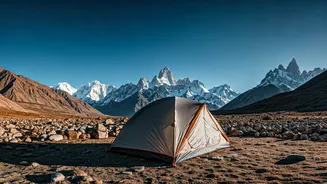
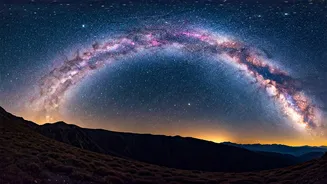
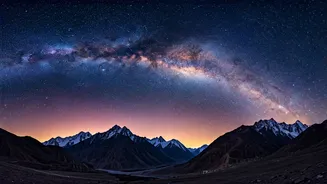
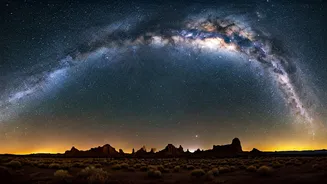
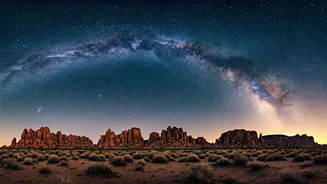
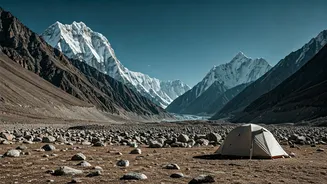
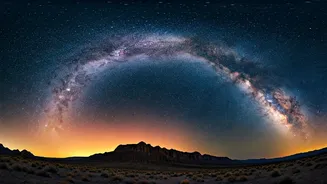
dry, sunny, and pleasantly cool. Perched at an average altitude of over 3,800 metres (12,500 feet), this cold desert landscape offers daytime temperatures that hover around a comfortable 15-20°C. At night, however, the mercury can dip close to freezing, even in peak summer. This dramatic temperature drop is precisely what makes camping here so appealing. You're not just escaping the heat; you're trading it for a world of layered clothing, hot chai, and evenings spent around a bonfire under a canopy of stars so clear they feel within reach.
Planning Your Journey to the Cold Desert
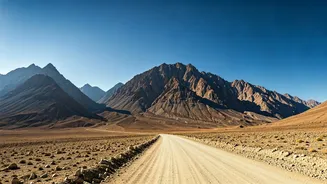
Reaching Spiti is an adventure in itself. There are two primary routes. The first, via Shimla and Kinnaur, is a longer, more gradual ascent that stays open for most of the year. This route is highly recommended for better acclimatisation, as it allows your body to slowly adjust to the increasing altitude over several days. The journey itself is breathtaking, taking you through the lush greenery of Kinnaur before the landscape dramatically shifts to the barren, majestic terrain of Spiti. The second route is from Manali via the Rohtang and Kunzum passes. This path is shorter and more dramatic but typically only opens from late May or early June, depending on snowfall. It involves a rapid altitude gain, so if you choose this route, plan to spend at least two nights in Kaza to acclimatise before venturing higher.
Camping by the 'Moon Lake': Chandratal
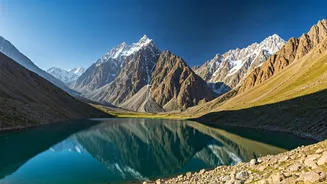
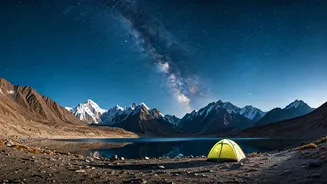
No trip to Spiti is complete without visiting Chandratal, the 'Lake of the Moon'. This stunning crescent-shaped lake, situated at an altitude of about 4,300 metres (14,100 feet), changes colour from turquoise to emerald green throughout the day. While camping directly on the fragile shores of the lake is now prohibited to protect its delicate ecosystem, a designated camping area is located a few kilometres away. Waking up in a tent here is a surreal experience. After a short morning drive or a brisk trek, you can witness the first rays of sunlight hitting the placid water, with the snow-dusted peaks of the Chandra-Bhaga range reflected on its surface. The nights are bone-chillingly cold but profoundly beautiful, offering some of the best stargazing opportunities in the country.
High Camps Near Ancient Villages
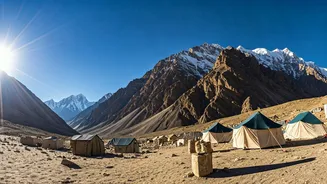
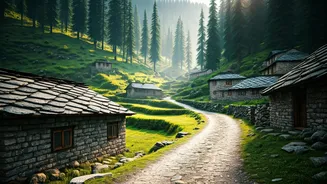
For a blend of natural beauty and cultural immersion, consider camping near some of the world's highest inhabited villages. Campsites near Komic, which boasts the title of the world's highest village connected by a motorable road, offer panoramic views of the valley. From your tent, you can watch the sunrise over the mountains and then spend the day exploring the ancient Tangyud Monastery. Similarly, camping near Hikkim (home to the world's highest post office) or Langza (famous for its giant Buddha statue and rich fossil beds) allows you to experience Spitian life up close. These campsites, often run by local families, provide a more rustic and authentic experience, complete with simple, hearty local food and invaluable insights into the region's resilient culture.
Essential Tips for a High-Altitude Trip
A trip to Spiti requires careful preparation. Acclimatisation is non-negotiable. Ascend slowly, stay hydrated by drinking plenty of water, and avoid strenuous activity for the first 48 hours at high altitude. Headaches and nausea are early signs of Acute Mountain Sickness (AMS); if symptoms persist, descend immediately. Your packing list should prioritise layers: thermal wear, fleece jackets, and a windproof/waterproof outer shell are essential. Even in summer, you'll need a warm cap, gloves, and woollen socks for the cold nights. Sun protection is crucial, as the UV rays at high altitude are incredibly strong. Pack high-SPF sunscreen, sunglasses, and a wide-brimmed hat. Finally, carry a basic medical kit with medications for headache, nausea, and any personal prescriptions, as pharmacies are few and far between.