




Invest in a Multi-Layered Defence
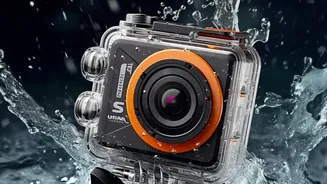
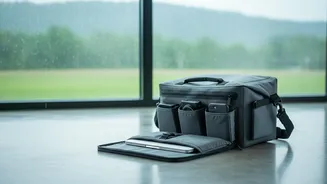
A single layer of protection is often not enough. Start with a high-quality waterproof or water-resistant backpack as your first line of defence. These are designed to repel water rather than absorb it. For your most valuable items like a laptop or camera,
add a second layer by using a dedicated waterproof sleeve or a dry bag before placing them inside the backpack. This 'double-bagging' strategy ensures that even if your main bag gets soaked, your expensive electronics remain completely dry. For smaller items like phones, power banks, and chargers, individual waterproof pouches or cases are an excellent investment.
Embrace the Humble Ziplock Bag
You don’t always need expensive gear to protect your electronics. The simple, low-cost ziplock bag is a traveller's best friend during the monsoon. They are essentially waterproof if sealed correctly and come in various sizes, perfect for everything from your smartphone and earbuds to charging cables and memory cards. It’s wise to pack a variety of sizes in your luggage. You can use them to organise smaller items and provide a quick, reliable barrier against sudden downpours or accidental splashes. For added security, you can double-bag items in two separate ziplock bags.
Fight the Invisible Threat: Humidity
Rain isn't the only enemy during the monsoon; high humidity can be just as damaging. Moisture in the air can seep into the internal components of your devices over time, leading to corrosion and malfunction. To combat this, pack a handful of silica gel packets with your electronics. These small sachets are excellent at absorbing excess moisture from the surrounding air. You can place them inside your camera bag, laptop sleeve, or any container where you store gadgets, especially those you don't use daily. Keeping devices in well-ventilated areas and away from damp walls or windows when you're at your hotel can also make a big difference.
Be Smart About Charging
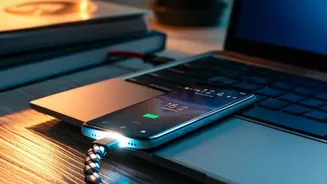
Charging your devices in a damp or humid environment requires extra caution. Power surges are more common during monsoon storms, so using a good-quality surge protector is highly recommended for your laptop and other expensive gear. Before plugging anything in, inspect the charging ports on your device and the cable itself for any signs of moisture or condensation. If you see any, wipe them gently and wait for them to air dry completely. Never charge a device that feels damp or has been recently exposed to rain. It's also a good habit to unplug chargers and devices when not in use, especially during heavy lightning and rain.
Pack an Emergency 'Dry-Out' Kit
Accidents happen. Being prepared can be the difference between a minor scare and a ruined device. Pack a small 'first-aid' kit for your electronics. This should include a couple of microfiber cloths for gently wiping away water and a sealed bag of uncooked rice or, even better, several silica gel packets. If a device gets wet, the absolute first step is to turn it off immediately and, if possible, remove the battery. Do not try to turn it on to see if it still works, as this can cause a short circuit. Gently dry the exterior, and then place it in your container with the rice or silica gel to help draw out the internal moisture.
What to Do If Disaster Strikes
If your phone or camera takes a serious dunking, quick action is crucial. Power it down immediately. If it’s a phone, remove the SIM card and any memory cards. Wipe everything down with an absorbent cloth. While the popular trick is to submerge the device in a bowl of uncooked rice, this can sometimes introduce dust and starch into the ports. A more effective method is to place the device in an airtight container with several silica gel packets, which are designed specifically to absorb moisture. Let it sit for at least 24 to 48 hours to dry out thoroughly before you even attempt to turn it back on. Rushing this process is the most common mistake. For valuable devices, it's best to take them to a certified technician for inspection before trying to power them on again.