


A Gift from Halley's Comet
The Orionid meteor shower is an annual event that occurs when Earth passes through the trail of debris left by Comet 1P/Halley, more famously known as Halley's Comet. This iconic comet, which visits the inner solar system roughly every 76 years, leaves
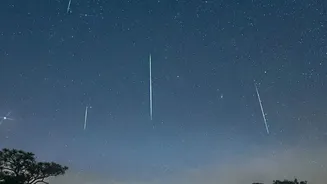
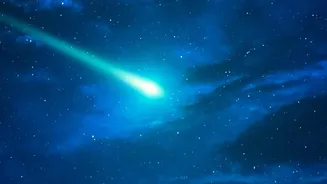
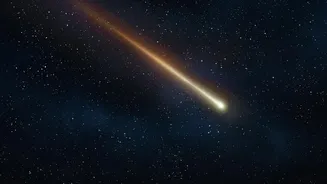
behind a stream of dust and ice particles. When these tiny fragments enter our atmosphere at incredible speeds—about 66 kilometres per second—they burn up, creating the brilliant streaks we call meteors or 'shooting stars'. The Orionids are one of two meteor showers produced by Halley's Comet; the other is the Eta Aquarids in May. This connection makes watching the Orionids feel like witnessing a small piece of cosmic history.
Mark Your Calendar for the Peak
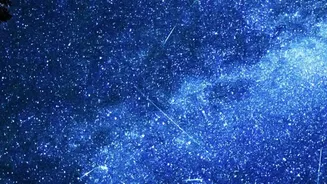
For 2026, the Orionid meteor shower will be active from early October through early November. However, the best time to watch will be during its peak, on the night of October 21-22. Some forecasts also suggest good activity on the night of October 22-23, so it's worth trying on both nights if you have clear skies. Under ideal conditions, from a dark location, you can expect to see around 15 to 20 meteors per hour. While not the most prolific shower of the year, the Orionids are known for their speed and brightness, often leaving glowing 'trains' that linger for a few seconds.
Plan Around the Moon
One major factor for any meteor shower is the phase of the Moon. In 2026, the peak of the Orionids coincides with a waxing gibbous Moon, which will be about 80% full. This bright moonlight will wash out many of the fainter meteors for much of the night. However, there's a prime viewing window. The Moon is expected to set around 3 a.m. local time on the peak mornings. The dark hours between moonset and the start of dawn will be the absolute best time to watch.
Escape the City Lights
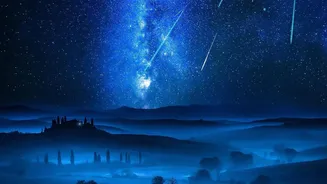
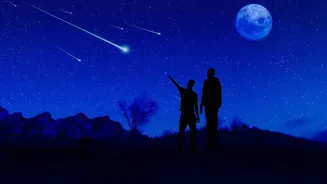
The single most important factor for a successful viewing experience is getting away from light pollution. City and even suburban skies can drastically reduce the number of meteors you'll be able to see. Find a safe, wide-open space with a clear view of the sky, such as a park or rural area far from streetlights. The darker your surroundings, the more shooting stars will be visible. Driving just 30 minutes away from city lights can dramatically increase your meteor count. There's no need for a telescope or binoculars; the naked eye is the best tool for scanning the wide expanse of the sky.
Give Your Eyes Time to Adjust
As the headline suggests, patience is key, especially when it comes to your vision. It takes about 20 to 30 minutes for your eyes to fully adapt to the dark. During this time, avoid looking at any bright screens, especially your phone. The white light from a screen will instantly ruin your night vision and you'll have to start the adaptation process all over again. If you need to use a light, use a red-light flashlight, as it has less impact on your night vision. Once your eyes are adjusted, you'll be surprised at how many more stars—and meteors—you can spot.
Know Where to Look (and Where Not To)
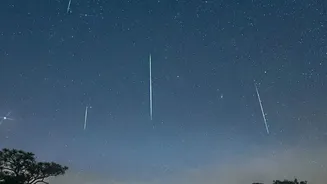
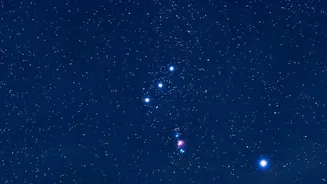
The shower gets its name because the meteors appear to radiate from a point in the constellation Orion. You can find Orion rising in the east after midnight. However, you shouldn't stare directly at this radiant point. Meteors that appear close to the radiant have very short trails and are easy to miss. For the best views, look about 45 to 90 degrees away from Orion. The meteors you see there will have longer, more dramatic streaks as they travel across the sky. Lie back on a blanket or a reclining chair, look up, and take in as much of the sky as possible.