



A Mission of Unprecedented Ambition
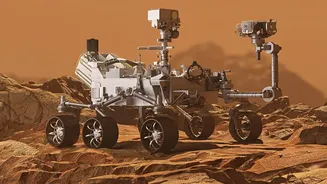
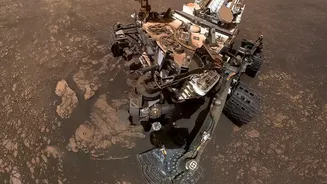
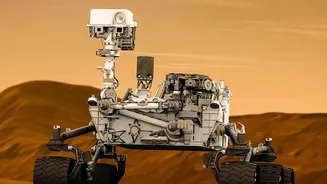
The goal of the Mars Sample Return (MSR) mission sounds like science fiction: retrieve rock and soil samples meticulously collected by the Perseverance rover, launch them off the Martian surface, and fly them 53 million kilometres back to Earth. Scientists
believe these samples, gathered from Jezero Crater, could hold definitive clues about whether Mars ever hosted life. Since its landing in 2021, Perseverance has been drilling cores and sealing them in titanium tubes, creating a priceless cache of Martian geology that scientists are desperate to study in advanced labs on Earth. The original plan, a complex joint effort with the European Space Agency (ESA), involved multiple spacecraft to land, collect, and launch the samples. It represents one of the most complex robotic missions ever conceived.
An Unsustainable Price Tag and Timeline
The grand vision for MSR ran into a harsh reality: eye-watering costs and an unacceptably long timeline. Independent reviews flagged that the mission's price tag was ballooning, with one estimate reaching as high as $11 billion. Worse still, this plan would not see the samples arrive on Earth until 2040. NASA Administrator Bill Nelson declared this timeline 'too far away' and the budget 'too expensive', especially with the agency aiming to land astronauts on Mars in the 2040s. Faced with budget cuts and a plan that was becoming untenable, the existing MSR program was effectively halted, forcing a major reassessment.
NASA Hits the Reset Button
In response to these challenges, NASA has kicked off a new initiative to find a smarter way forward. Announced in November 2026, the 'Perseverance Sample Retrieval Architecture' (PSRA) is a formal effort to solicit fresh ideas for a more affordable and timely mission. Rather than stick to the old architecture, NASA is looking for impartial, innovative recommendations. The agency has created an internal strategy team tasked with reviewing all options, learning from past plans, and evaluating current technologies to deliver a new mission blueprint. This new effort signals that while the old plan is dead, the goal of returning the samples is too scientifically critical to abandon.
A Call for Innovation
The new strategy opens the door for a complete redesign. The PSRA team will kick off its work in January 2027, with a final report expected in the winter of 2027-2028. NASA is looking at everything from new spacecraft designs to different mission profiles. The goal is to develop a plan that can return the samples in the 2030s for a more manageable cost, with reviews suggesting a target between $5 billion and $7 billion. This could involve contributions from commercial partners, who may be able to offer more agile and cost-effective solutions than traditional government-led programs. The focus is on finding a path that is leaner, faster, and leverages proven technology without sacrificing the mission's core scientific objectives.
The Race Against the Clock
While NASA re-evaluates its strategy, the clock is ticking. The Perseverance rover continues its work on Mars, but it cannot explore and collect samples forever. Furthermore, international competition is heating up. China is moving forward with its own ambitious sample return mission, Tianwen-3, which aims to launch around 2028 and bring its own Martian samples back to Earth by 2031. This adds a geopolitical dimension to the scientific imperative, creating pressure on NASA to not be left behind in the race to unlock Mars's secrets. The success of the PSRA initiative will determine whether the United States will be the first nation to analyse pristine material from the Red Planet.