
From Convenience to Culture
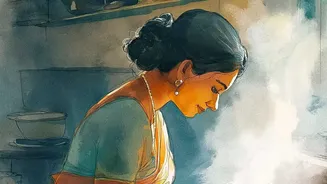
For the longest time, the modern Indian kitchen was a shrine to convenience. Food delivery apps became the new recipe books, and 'quick and easy' was the mantra. But a fascinating shift is underway. A generation of young homemakers, many of whom came of age
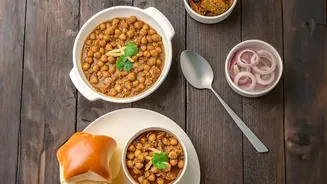
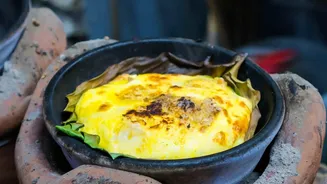
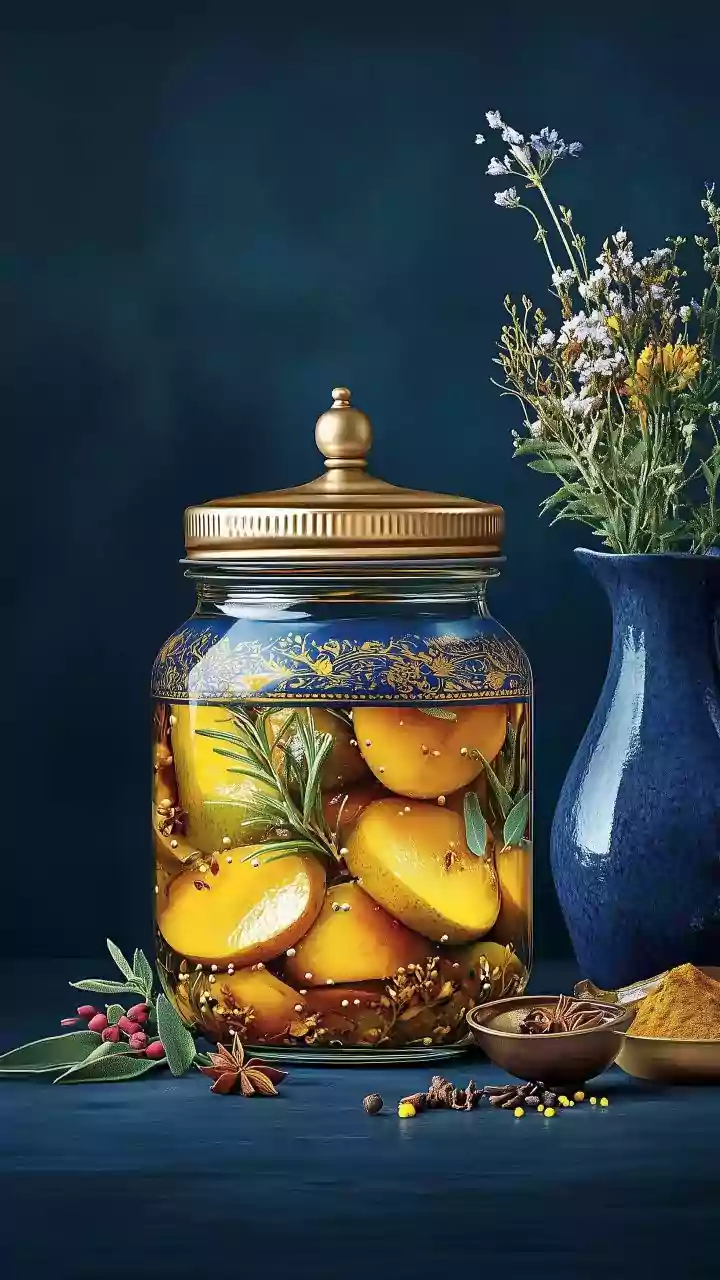
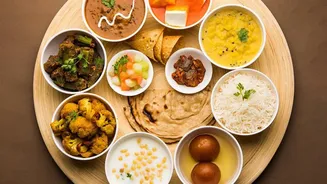
with globalised food trends, is now consciously turning towards the slow, deliberate, and deeply rewarding world of their grandmothers' kitchens. They are swapping trendy superfoods for traditional local ingredients and reviving complex recipes that were once at risk of being forgotten. This isn't just about cooking; it’s about reclaiming a piece of their identity. Dishes once considered too 'ordinary' for the public eye, like Bengali 'chhanar dalna' or Sindhi 'sai bhaji', are becoming stars in their own right, celebrated for their authenticity.
The Search for Authenticity
What is driving this culinary renaissance? The reasons are as layered as the dishes themselves. The pandemic played a significant role, pushing many people back into their kitchens and fostering a new appreciation for home-cooked meals. This period of forced slowdown became an engine for culinary rediscovery, allowing people to reconnect with the processes of cooking. Beyond that, there's a deeper search for meaning. In an increasingly globalised world, food has become an intimate way to preserve cultural identity and create a sense of belonging. Young Indians are looking for context and memory on their plates, seeking out food that feels honest and is tied to their specific geography and climate. There is a growing desire to understand not just how a dish is made, but why it exists—the story behind it matters as much as the taste.
The Digital Age of Heirloom Recipes
Ironically, the same technology that powered the convenience food boom is now fuelling this return to tradition. Social media platforms like Instagram and YouTube have become virtual culinary schools and digital archives for heirloom recipes. Young homemakers are documenting their efforts, sharing videos of themselves learning to make a perfect 'puran poli' from a grandmother over a video call, or posting pictures of a meticulously prepared 'Kashmiri nadru yakhni'. This digital sharing does more than just showcase a meal; it builds a community around shared heritage. Food bloggers and influencers have been instrumental in this, showcasing India's rich culinary diversity and encouraging their followers to rediscover their own roots. This online movement has transformed private, domestic recipes into public statements of cultural identity.
Rediscovering Regional Gems
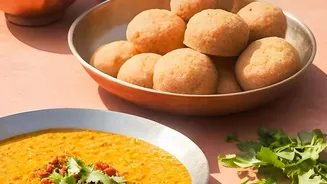
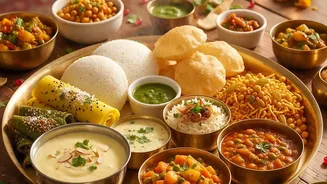
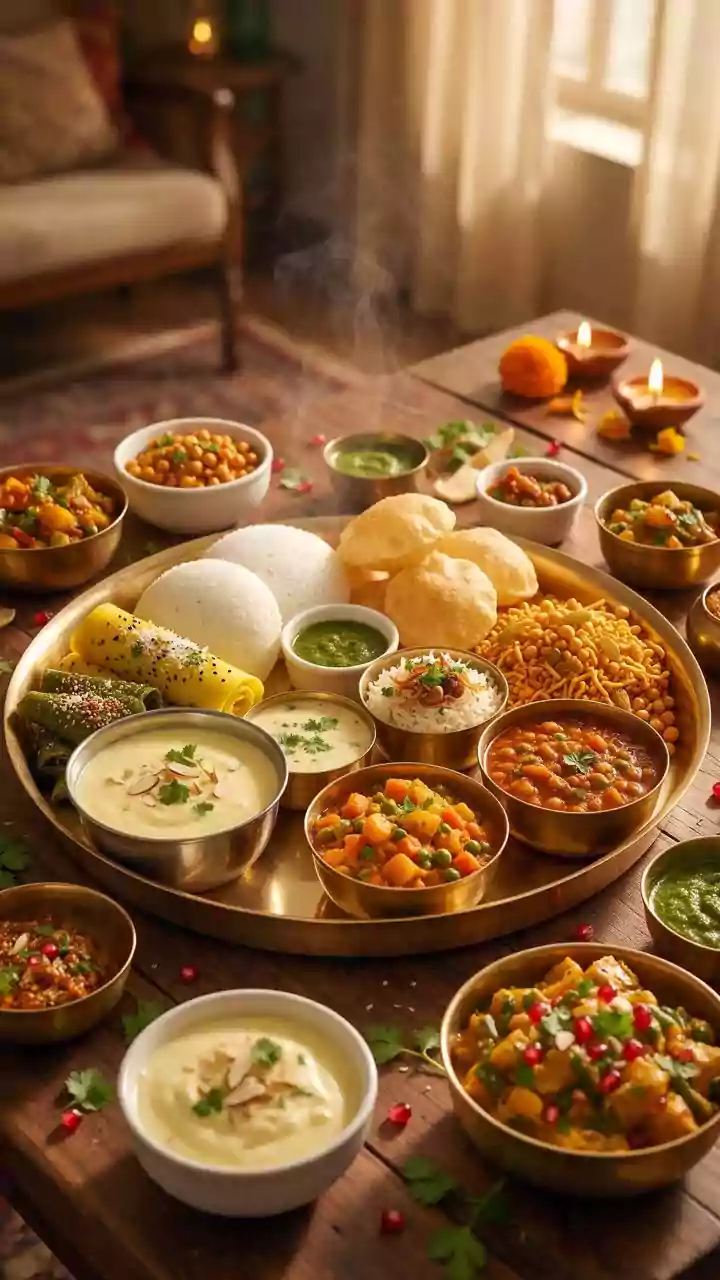
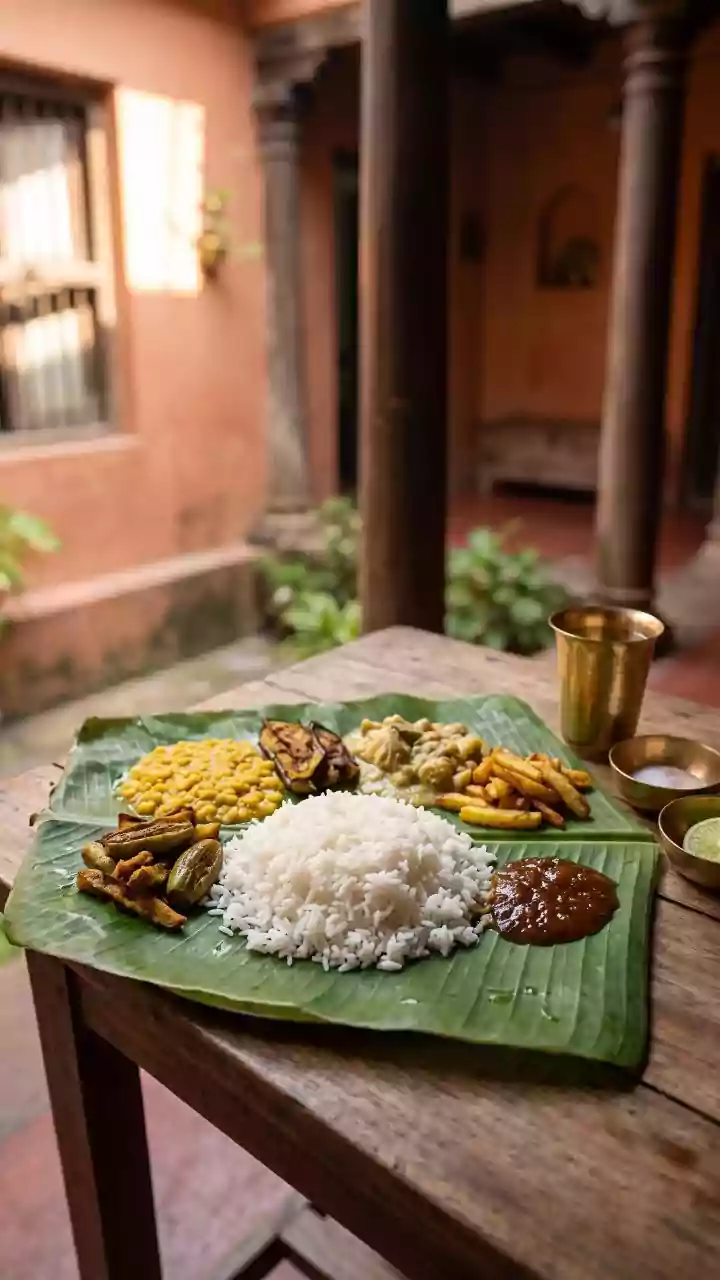
The focus of this revival is intensely regional. Instead of a single, monolithic 'Indian cuisine', this movement celebrates the country's staggering diversity. From the mountains to the coasts, forgotten dishes are being brought back to the dining table. Think of 'bedu roti' from Uttarakhand, a rustic flatbread served with local chutneys, or 'Kalinga kheer', an ancient rice pudding from Odisha once favoured by royalty. In the south, chefs are championing local ingredients like 'avarebele' (hyacinth beans), while in the east, dishes like Bengali 'shukto' and Assamese preparations are gaining new appreciation. This isn't just happening in homes; the trend has spilled over into the restaurant world, where chefs are digging into regional produce and micro-seasons to create menus that celebrate what has been there all along.
A Legacy on the Plate
Ultimately, this resurgence is about more than just food. It's an act of cultural preservation. When a young homemaker learns a recipe passed down through generations, they are becoming a custodian of their family's history and their region's culinary wisdom. These aren't just meals; they are the flavours of festivals, the secrets of slow-cooking, and the whispers of grandmothers. This movement redefines the role of the homemaker as not just a provider of meals, but as a crucial link in the chain of cultural continuity. By choosing to cook these dishes, they are ensuring that the stories, techniques, and flavours that define India's diverse heritage are not lost to time but are instead savoured by a new generation.