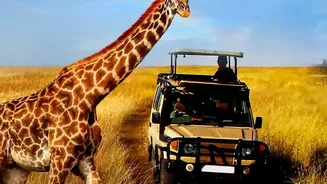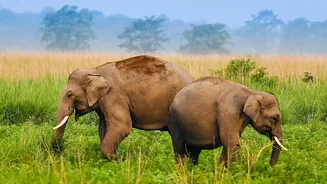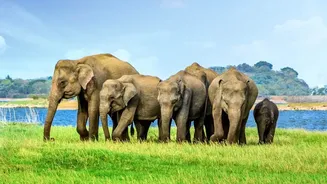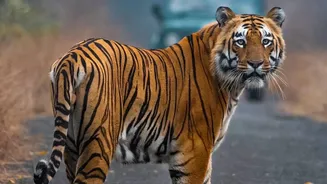






The Central Zone (Kohora): The Classic Choice
For most first-time visitors, the Central Zone, also known as the Kohora Range, is the main attraction and the most popular entry point. Its landscape of vast grasslands, wetlands, and sparse woodlands is what many picture when they think of Kaziranga.
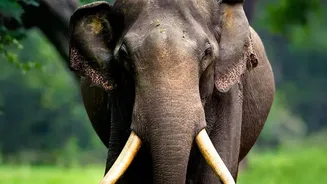
This zone offers a high probability of spotting the famed one-horned rhinoceros, often seen grazing or wallowing in mud pools. Besides rhinos, it provides good sightings of elephants, wild water buffalo, and swamp deer. The Central Zone is also one of only two ranges offering the unique experience of an early morning elephant safari, which allows for exceptionally close wildlife encounters. Due to its popularity and accessibility, with many hotels nearby, it can get crowded, especially during peak season.
The Western Zone (Bagori): Best for Rhino Sightings
Considered by many to have the highest density of one-horned rhinos, the Western Zone or Bagori Range is a paradise for wildlife photographers and enthusiasts seeking close encounters. The landscape here is characterized by open grasslands and numerous water bodies, which makes spotting wildlife relatively easy. Along with a high concentration of rhinos, this zone is excellent for viewing herds of elephants and wild water buffalo. Like the Central Zone, Bagori also offers both jeep and elephant safaris, providing varied ways to experience the park. While it is also a popular choice, it is sometimes considered a slightly quieter alternative to the bustling Central Zone, making it ideal for those whose primary goal is guaranteed rhino sightings.
The Eastern Zone (Agaratoli): A Birdwatcher’s Paradise
If your interests lean more towards avian life, the Eastern Zone, or Agaratoli Range, is the undisputed choice. Its landscape, dominated by the Brahmaputra River, extensive wetlands, and dense forests, makes it a haven for hundreds of bird species. During the winter months from November to April, it becomes a hotspot for migratory waterfowl, including pelicans, storks, and various ducks. While rhinos and elephants can also be seen here, the sightings are generally less frequent than in the western ranges. This zone is the quietest of the main three and is perfect for visitors looking for a more serene and peaceful safari experience focused on the park's incredible biodiversity. Only jeep safaris are available in this zone.
The Burapahar Zone (Ghorakati): The Adventurous Trail
For those seeking an offbeat adventure, the Burapahar Zone offers a distinctly different experience. Located on the westernmost edge of the park, its terrain is hilly and forested, contrasting sharply with the floodplains of the other ranges. This is the best place in Kaziranga to spot the Hoolock Gibbon, India's only ape species, as well as Capped Langurs. While rhinos and elephants are present, the dense woodlands make sightings more of a challenge. Burapahar is the least crowded zone and is the only one to offer trekking trails, allowing visitors to explore the forest on foot with a guide for a more intimate connection with nature. It's an excellent choice for second-time visitors or those who prioritize landscape and tranquility over guaranteed big game sightings.
Planning Your Safari
Kaziranga National Park is typically open to tourists from November to April, as it remains closed during the monsoon season due to flooding. The best time for wildlife sightings is generally from December to March. Safaris are conducted in two shifts: a morning slot and an afternoon slot. It is highly recommended to book your safaris in advance, especially during the peak season, as the number of jeeps allowed in each zone is limited. Elephant safaris, available in the Central and Western zones, have limited seats and should also be booked well ahead of your visit. For a comprehensive experience, many regular visitors recommend taking at least two or three safaris across different zones, such as combining a trip to the rhino-dense Western Zone with the bird-rich Eastern Zone.