





Why Mumbai's Slopes Are Unstable
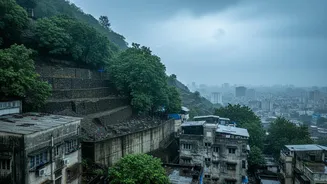
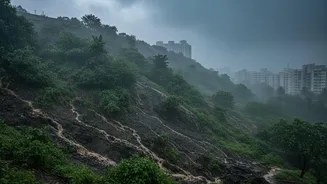
Mumbai's unique geography is a primary factor in its landslide problem. The city features numerous hillocks and steep slopes, many of which are densely populated. Unchecked construction, both legal and illegal, often involves cutting into the base of these
hills, removing their natural support. This, combined with soil erosion from deforestation and the sheer pressure of urban settlements, creates a dangerously unstable environment. When the monsoon arrives, intense rainfall saturates the ground, increasing its weight and reducing the friction that holds soil and rock together. This combination of factors makes areas in Ghatkopar, Vikhroli, Kurla, Malad, and Bhandup particularly susceptible to landslides.
Watch for Changes in the Ground
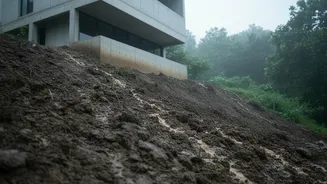
The land itself often provides the earliest clues of movement. Homeowners in at-risk areas should be vigilant for new cracks appearing in the soil, on pavements, or on surrounding roads. Other critical signs include the ground bulging or swelling at the bottom of a slope, or the appearance of new, unexplained depressions. Take note of trees, fences, or utility poles that begin to tilt or lean, as this indicates that the ground beneath them is shifting. These are not minor landscaping issues; they are direct signs that the hillside's stability is compromised.
Warning Signs Inside Your Home
The stress on the land outside will eventually manifest inside your home. One of the most common signs is when doors and windows that previously opened and closed smoothly suddenly begin to stick or jam. This happens because their frames are being warped by the shifting foundation. Similarly, new cracks may appear in plaster, tile, brick, or the foundation itself. Broken underground utility lines, such as water or sewage pipes, are another significant red flag, suggesting that the ground movement is severe enough to rupture them.
Listen for Unusual Sounds
Landslides are not always silent. Pay close attention to any faint rumbling sounds that grow louder, which could indicate that debris is beginning to move. Other auditory warnings include the sound of rocks knocking together or the distinct cracking of trees. These noises suggest that the slope is actively failing and a collapse could be imminent. If you live near a hillside and hear such sounds, especially during or after heavy rain, it should be treated as a serious warning.
Pay Attention to Water
Water is the primary trigger for most monsoon landslides, and its behaviour can signal danger. Be alert for new springs, seeps, or patches of wet ground that appear on slopes that are normally dry. A sudden increase or decrease in the flow of water in streams or channels is also a warning, particularly if the water becomes muddy, which indicates soil erosion upstream. If clear water suddenly turns dirty, it's a sign that the hillside is losing material and may be on the verge of collapse.
What to Do If You Spot a Sign
If you notice any of these warning signs, your immediate priority is safety. Do not attempt to investigate the area yourself. Evacuate immediately to a safer location, away from the path of a potential slide. Once you are safe, alert the authorities. You should contact the Brihanmumbai Municipal Corporation's (BMC) disaster management cell, which operates a 24/7 helpline. The BMC regularly issues warnings and may have already designated your area as high-risk. Resisting evacuation notices, a frequent issue in many vulnerable areas, can have tragic consequences.