
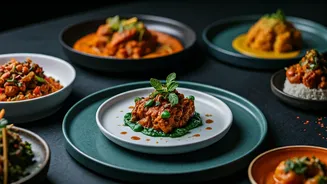



An Entire Culture on a Platter
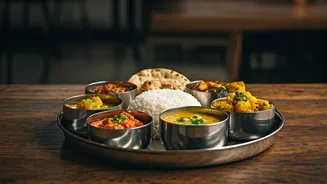
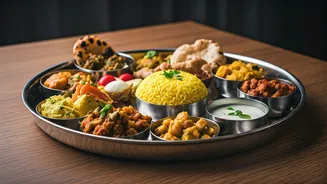
At its core, a thali—which literally means 'plate'—is a round platter used to serve a complete meal. But it’s so much more than that. It is a philosophy of eating, a showcase of regional pride, and a masterclass in nutritional wisdom. Served in small
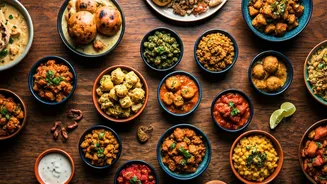
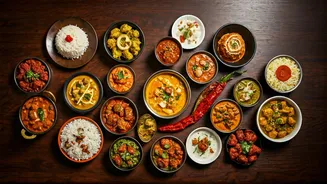
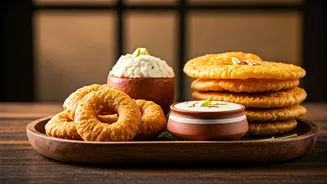
bowls called 'katoris' arranged on the platter, a thali presents a curated selection of dishes designed to be eaten together. This includes a staple grain (rice or flatbread), various vegetarian or non-vegetarian curries, lentils (dal), vegetables (sabzi), yoghurt (dahi), pickles (achar), and a dessert. This format isn't just for convenience; it’s a deliberate cultural expression of hospitality, balance, and community. In many households and at festivals, serving a thali is a gesture of generosity and care.
The Science of Six Tastes
The magic of the thali lies in its ancient connection to Ayurveda, which identifies six fundamental tastes, or 'rasas': sweet, sour, salty, bitter, pungent, and astringent. A well-composed thali is engineered to include all six, ensuring a meal that is not only delicious but also nutritionally balanced and deeply satisfying. The sweet taste comes from grains or desserts, sour from yogurt or tamarind, salty from seasoned dishes, bitter from greens like fenugreek, pungent from spices like ginger and chilli, and astringent from lentils or certain vegetables. This sensory completeness is believed to aid digestion, prevent cravings, and promote overall well-being. It's a system that naturally encourages portion control through variety, a concept modern nutrition is only now catching up with.
A Journey Across Regions
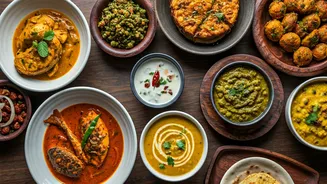
The true beauty of the thali is its endless diversity, with each region offering a unique culinary snapshot. A Rajasthani thali, born from the arid desert, is rich and hardy, featuring classics like Dal Baati Churma, Gatte ki Sabzi, and generous use of ghee. In contrast, a Gujarati thali is often lighter and has a characteristic sweet undertone in many of its vegetarian dishes like dhokla, kadhi, and shaak. Travel south, and you’ll find the Sadya, Kerala’s festive thali served on a banana leaf. It features a stunning array of coconut-based dishes, sambar, rasam, and various vegetable preparations, designed to be light and easy to digest. Meanwhile, a Bengali thali from the east will almost certainly feature fish, mustard-infused preparations, and end with iconic sweets like rasgulla or mishti doi.
More Than Just a Meal
The thali represents the very idea of 'unity in diversity' on a plate. It reflects a region's geography, climate, and local agriculture. Coastal regions feature fish and coconut, while the northern plains rely on wheat and dairy. It is also a social ritual. Historically, thalis were part of communal meals that fostered a sense of togetherness. This tradition continues today in temples, weddings, and festivals, where sharing a thali meal strengthens social bonds. It is a meal designed for mindfulness, where the variety of textures and flavours encourages you to slow down and savour each bite. By presenting a complete nutritional package—carbohydrates, proteins, fats, vitamins, and fibres—the thali serves as a reminder that traditional food systems are often incredibly sophisticated.