




The Growing Concern of Textile Waste
India's vibrant textile industry is a cornerstone of our economy, but it also creates a significant environmental challenge. The country is one of the world's largest textile producers, and with the rise of fast fashion, this leads to a massive amount
of waste. It is estimated that India generates millions of tonnes of textile waste annually, with a large portion ending up in landfills. This waste contributes to pollution and puts a strain on our natural resources. The fashion industry globally is responsible for a substantial portion of carbon emissions and apparel waste. Choosing to upcycle, a practice deeply rooted in Indian tradition, is a powerful and personal way to counteract this trend. By giving a new life to items we already own, we reduce landfill waste and conserve the resources needed to produce new materials.
From Heirloom to Home Statement
Upcycling a saree is more than just a DIY project; it's an act of preserving heritage and sentiment. That silk saree from your mother’s wedding or the soft cotton one you wore for a special occasion can be transformed into a stunning piece of home decor. Unlike mass-produced curtains, a saree drape is a one-of-a-kind statement piece, rich with personal history and intricate craftsmanship. It adds a unique, ethnic touch to your home, whether your style is modern or traditional. This creative reuse is a perfect blend of sustainability and style, allowing you to celebrate beautiful textiles that would otherwise remain hidden away.
Choosing the Right Saree for Your Window
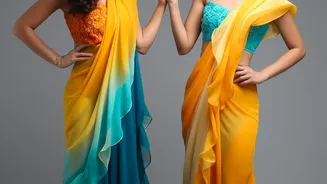
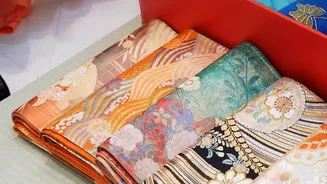
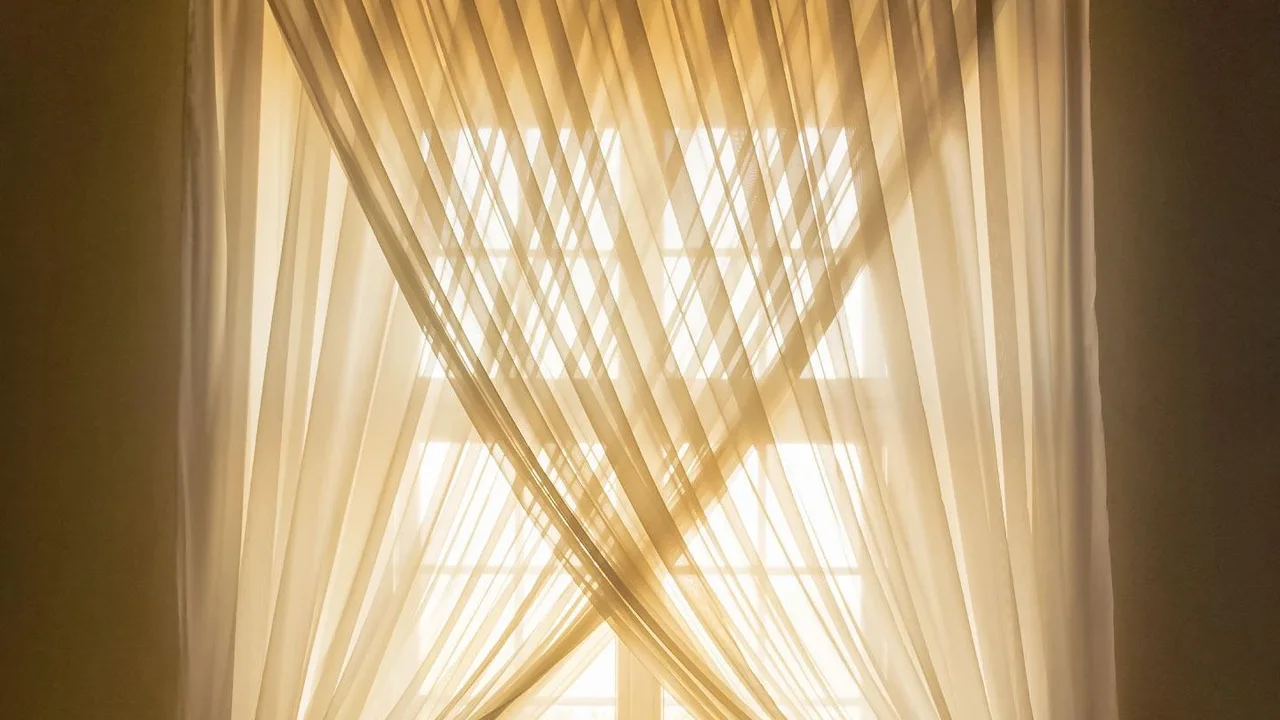
Not all sarees are equally suited for becoming drapes. The choice of fabric is key. Lightweight materials like chiffon, georgette, or soft cottons work wonderfully as sheer curtains, allowing natural light to filter through beautifully. They add an airy, elegant feel to a room. For a more opulent and formal look, consider using silk sarees like Banarasi or Kanjeevaram. Their rich texture and vibrant colours can turn a window into a focal point, especially for festive occasions. Heavier sarees also provide more privacy. Avoid sarees with very heavy, dense embroidery or beadwork, as their weight might make them difficult to hang and they may not drape as gracefully.
A Simple Guide to Creating Your Drapes
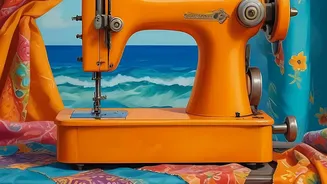
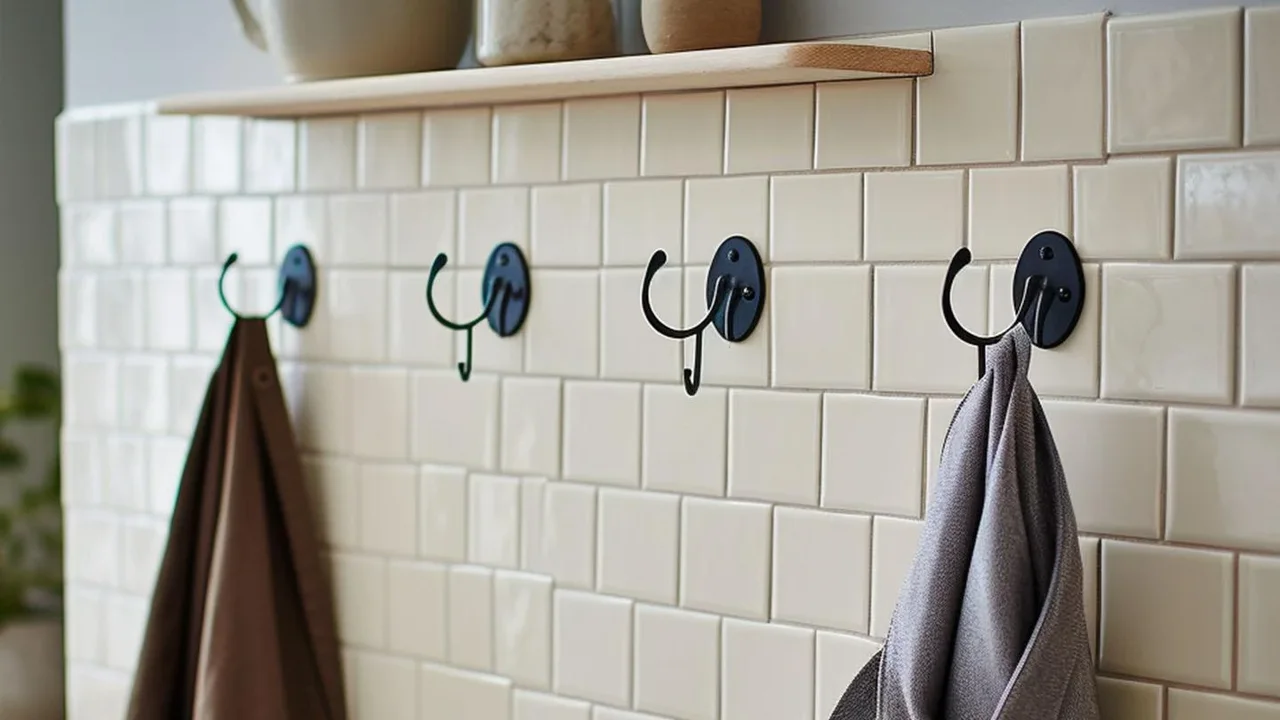
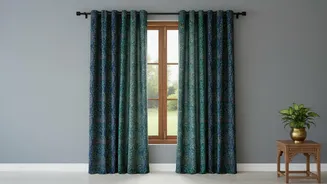
You don't need to be an expert tailor to create your own saree curtains. The simplest method requires minimal sewing. First, measure your window to determine the desired length. A standard six-yard saree is often long enough for most doors and windows. You can simply remove the attached fall from the saree's lower edge. For a no-sew option, fold the top edge of the saree over a curtain rod and secure it with decorative pins. Another easy method is to use curtain rings with clips. Just clip them evenly across the top edge of the saree and slide them onto the rod. For a more finished look, you can sew a simple channel or pocket along the top edge of the saree, wide enough for the curtain rod to slide through.
Styling Your Upcycled Curtains
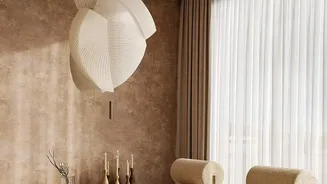
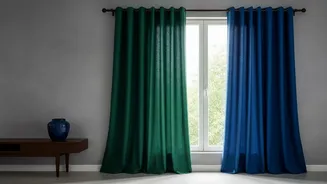
The versatility of saree drapes allows for creative styling. You can create a layered look by pairing a sheer saree curtain with a plainer, solid-coloured curtain behind it for added privacy. Another idea is to use two different but complementary sarees for one window, creating a vibrant, mix-and-match effect. The pallu, often the most ornate part of the saree, can be strategically draped or highlighted. You can also use parts of a damaged saree; for instance, a beautiful border can be stitched onto a plain curtain, or the pallu can be framed as wall art to match your new drapes. These small touches make your decor truly personal and reflective of your sustainable choices.