


Understanding the Monsoon's Retreat
The key to smart September travel is understanding the monsoon's withdrawal pattern. It doesn't simply stop everywhere at once. The retreat is a gradual process that typically begins in the first week of September from the extreme north-western parts
of India, like Rajasthan. It then moves south-eastward across the country over several weeks. This means that while northern regions start to dry out, southern and eastern states can still experience significant rainfall. By planning your trip in alignment with this meteorological march, you can catch destinations at their absolute peak, enjoying pleasant weather, lush landscapes, and fewer crowds before the peak tourist season begins in October.
Go North: Clear Skies and Fresh Mountains
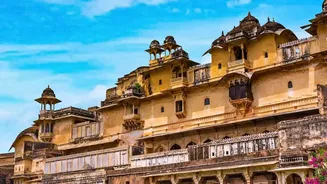
For those seeking clear skies and pleasant temperatures, the northern states are an excellent choice in September. In Rajasthan, the monsoon rains have largely concluded, washing away the desert dust and leaving the countryside surprisingly green. Cities like Udaipur and Jaipur are less crowded, and temperatures become more agreeable, typically ranging from 24°C to 35°C. Similarly, in the Himalayan states of Himachal Pradesh and Uttarakhand, September marks the end of the monsoon, making it a fantastic time for trekking and road trips. The heavy rains of July and August give way to stable weather, especially in the latter half of the month, revealing vibrant green valleys and clear mountain vistas in places like Manali, Dharamshala, and Rishikesh.
The Lush South: Embracing the Green
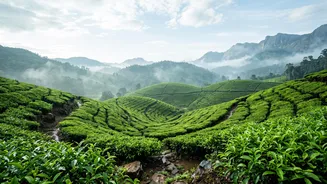
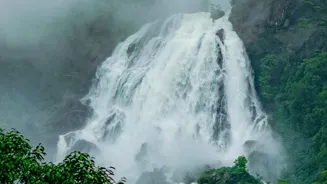
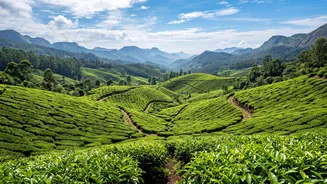
If you don't mind the chance of a shower, South India in September is a visual treat. In Kerala, the intensity of the main monsoon has subsided, but intermittent rains keep the backwaters full and the landscapes exceptionally verdant. It's an ideal time to experience the famed beauty of "God's Own Country" with fewer tourists and attractive off-season rates. Temperatures are warm and humid, generally between 24°C and 30°C. The hill stations of the Western Ghats, such as Munnar in Kerala, Coorg in Karnataka, and Ooty in Tamil Nadu, are particularly spectacular, with mist-laden hills, full waterfalls, and sprawling tea and coffee plantations at their most vibrant.
Central and West: A Mixed Bag
In Western India, Goa is in a delightful pre-season phase. The heaviest rains are over, but the landscape remains lush and green, and the beaches are quiet and clean before the crowds of October arrive. Central India, including states like Madhya Pradesh, is also emerging from the monsoon. While some national parks might remain closed until October, the post-monsoon scenery is beautiful, and it's a good time for cultural exploration without the intense heat of summer. It is always best to check the reopening dates for specific wildlife sanctuaries before planning a trip.
Where to Be Cautious: The Lingering Rains
The monsoon's withdrawal is slowest in the east and northeast. While places like Shillong and Darjeeling are stunningly green, they continue to receive substantial rainfall through September. Likewise, the retreating monsoon can bring rain to the coastal areas of Tamil Nadu and Andhra Pradesh later in the season, as the northeast monsoon begins to establish itself from October onwards. Travellers heading to these regions should be prepared for wet weather and plan activities accordingly. For those who love the romance of rain and misty landscapes, this can be a magical time, but if your priority is sunshine, it may be better to focus on the northern and western parts of the country.