


A Nutritional Powerhouse
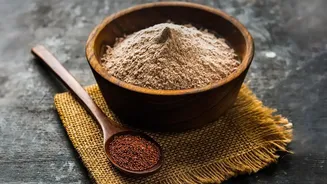
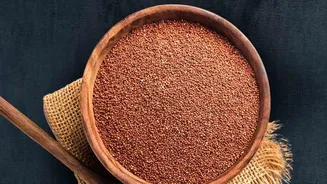
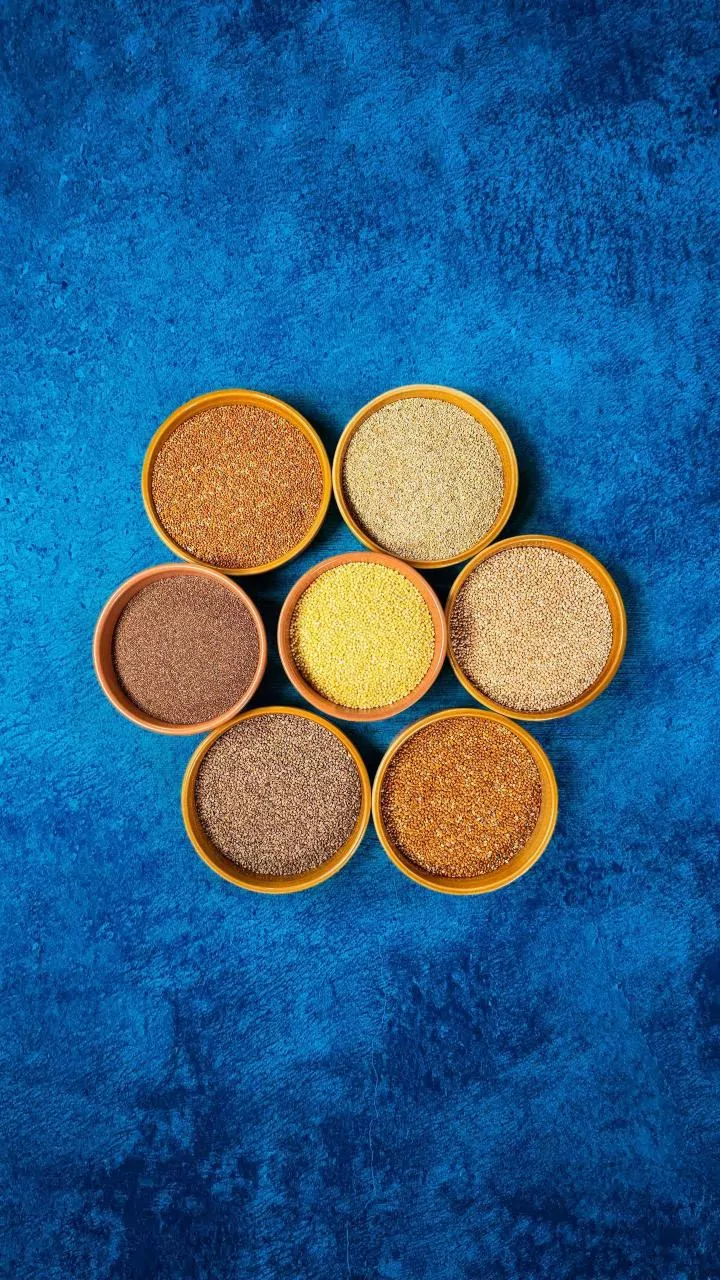
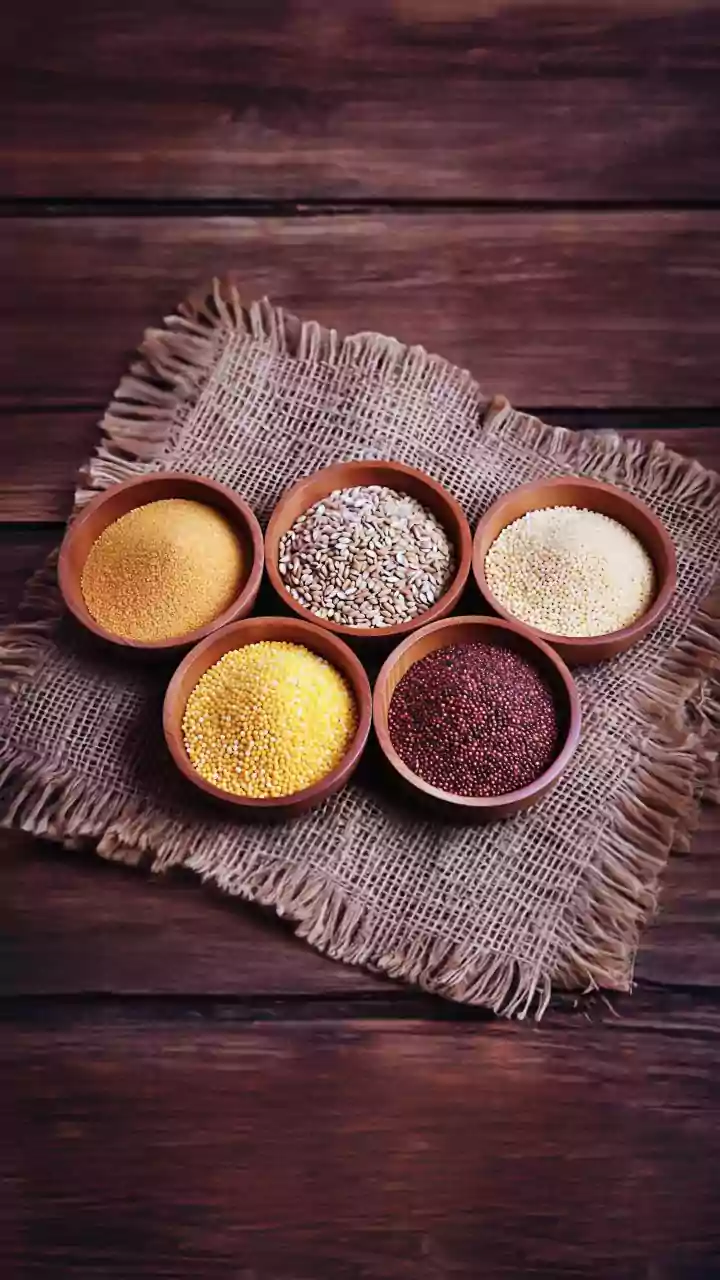
In an age of refined flours, the nutritional profile of millets is a compelling reason for their resurgence. These grains are gluten-free powerhouses of essential nutrients. Ragi, or finger millet, is celebrated for its exceptional calcium content, making
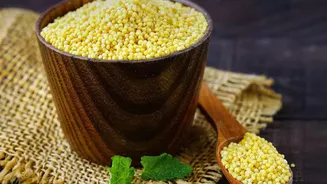
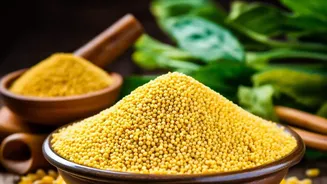
it a vital grain for bone health. Jowar, also known as sorghum, is prized for its high protein and fibre content, which aids digestion and provides a feeling of fullness. Bajra, or pearl millet, is a fantastic source of iron and protein, providing sustained energy. Together, they offer a rich spectrum of vitamins, minerals, and antioxidants that are often lost in more processed cereals, making them a smart choice for managing modern lifestyle concerns.
Deep-Rooted in Regional Culture
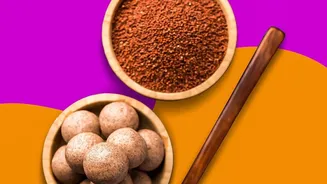
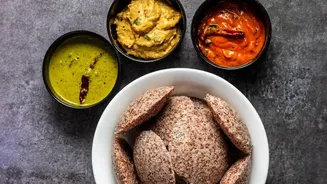
The importance of these grains goes far beyond nutrition; it is woven into the cultural fabric of India. For generations, they have been the backbone of regional cuisines, adapted to local climates and tastes. In Karnataka, ragi mudde (steamed finger millet balls) is a cherished staple. Across Maharashtra and parts of the Deccan, jowar bhakri is a common flatbread, enjoyed for its soft texture and mild taste. In the arid landscapes of Rajasthan and Gujarat, bajra roti and khichdi provide warmth and energy, especially during winter months. This deep-rooted presence in daily meals and even festive preparations ensures that these millets are more than just ingredients—they are symbols of heritage and identity.
The Climate-Smart Solution
As climate change poses increasing challenges to agriculture, the resilience of millets has become more critical than ever. These grains are known as 'climate-smart' crops for good reason. They require significantly less water than rice and wheat, can thrive in high temperatures, and grow well in arid, less fertile soils. This makes them an ideal and low-risk choice for farmers in drought-prone regions, helping to ensure food security where other crops might fail. Their ability to grow with minimal inputs like fertilisers and pesticides also makes them an environmentally friendly and sustainable option, contributing to healthier soil and ecosystems.
A Modern Health Revival
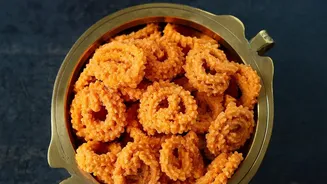
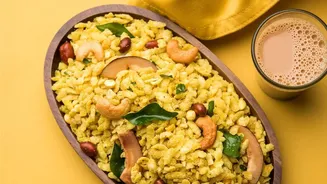
The renewed interest in millets is not just about a return to tradition but also about their role in the future of food. Urban consumers are increasingly seeking healthier, nutrient-dense alternatives to refined grains, and millets fit the bill perfectly. This has sparked a modern revival, with ragi, jowar, and bajra appearing in everything from breakfast cereals and multigrain breads to snacks like chips and cookies. Government initiatives, such as the UN's declaration of 2023 as the International Year of Millets, have further boosted their profile, highlighting their potential to address malnutrition and promote sustainable agriculture on a global scale.