


Meet the Enemies of Fresh Tea
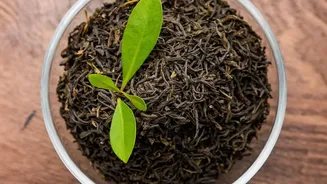
Before you can properly protect your tea, you need to know what you’re fighting against. Tea leaves have four main adversaries: moisture, light, odours, and air. Tea is hygroscopic, meaning it readily absorbs moisture from the air, which can lead to mould
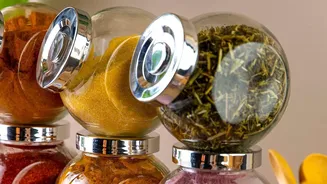
and a flat, uninspired taste. Light, especially direct sunlight, contains UV rays that degrade the leaves, causing them to lose both colour and potency. Oxygen in the air causes oxidation, which breaks down the delicate flavour compounds. Finally, tea is like a sponge for smells; it will easily absorb strong aromas from spices, coffee, or other foods stored nearby, permanently altering its intended flavour.
Why Your Refrigerator Is a Flavour Trap
It might seem logical to keep something fresh in the refrigerator, but for dry tea leaves, it’s one of the worst places to be. The inside of a fridge is a high-moisture environment. Every time you open the door, condensation can form, and those precious, dry leaves will soak it up, accelerating their decline. Furthermore, a refrigerator is a hub of competing smells. Unless your tea is in a perfectly sealed container, it’s at risk of absorbing odours from last night’s curry, garlic, or other strong-smelling foods. Some experts note that taking tea in and out of the cold also causes temperature fluctuations that harm the leaves. While some very specific, delicate green teas or unopened, vacuum-sealed packs might be refrigerated for long-term preservation by experts, for daily use, the risks far outweigh the benefits.
The Ideal Home: A Cool, Dark Cupboard
So, if not the fridge, then where? The answer is simple and already in your kitchen: a dry, dark cupboard or pantry. This environment provides the perfect defence against tea’s enemies. A closed cupboard shields the leaves from damaging light. Storing it away from the stove, oven, or sunny windows protects it from heat, which also accelerates degradation. And a dedicated space, away from pungent spices, ensures the tea’s original aroma remains pure and untainted. The key is consistency—a stable, cool, and dark environment is what allows tea leaves to retain their character for months.
Choosing the Right Storage Container
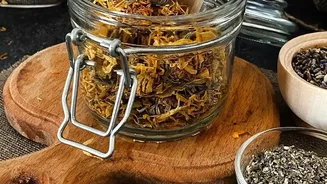
The final piece of the puzzle is the container itself. The original paper or cardboard box your tea came in is not sufficient for long-term storage. To truly protect your investment, you need an airtight container. Opaque tins or ceramic caddies with tight-fitting lids are excellent choices, as they block out both light and air. Stainless steel is another great, non-reactive option. Avoid clear glass jars unless you plan to store them in a completely dark cupboard, as they offer no protection from light. Also, try to use a container that fits the amount of tea you have; less empty space means less air to degrade the leaves.
Does the Type of Tea Matter?
While the general rules apply to almost all teas, some types are more fragile than others. Delicate green and white teas are more susceptible to losing their freshness and can have a shorter shelf life, typically around 6 to 12 months. Robust black teas and some oolongs are more oxidised and therefore more stable, often lasting for up to two or three years if stored correctly. Matcha powder is particularly unstable due to its fine particle size and should be consumed quickly, within a month or two of opening, and is one of the rare exceptions that can benefit from being kept in the fridge. Regardless of the type, the core principles remain the same: keep it airtight, in the dark, and away from moisture and odours to enjoy every cup at its best.