





More Than Just Freshness
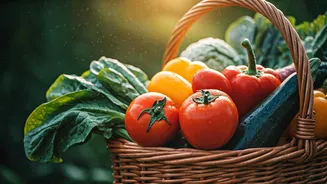
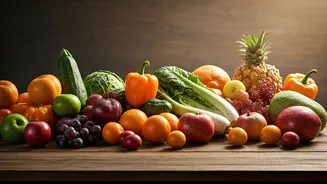
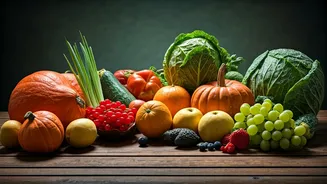
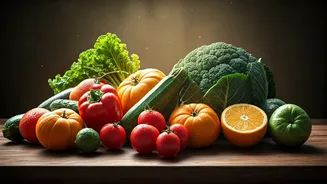
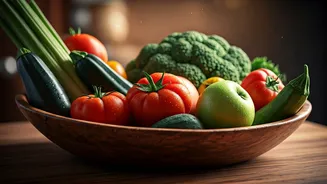
At its core, eating seasonally means choosing fruits and vegetables that are naturally harvested at a specific time of year in your region. It’s a simple concept, but its benefits go far beyond the obvious appeal of a fresh, juicy tomato. Before refrigeration
and global shipping made it possible to eat strawberries in December, all eating was seasonal. Our ancestors didn’t have a choice. Today, making that choice consciously is a powerful way to improve our health, support local economies, and reconnect with the natural rhythm of the land. It’s about eating foods when they are at their nutritional peak, most flavourful, and most abundant.
The Science of Peak Nutrition
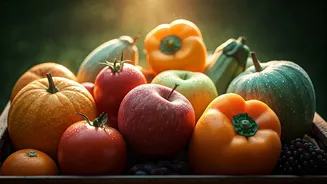
When produce is allowed to ripen naturally on the vine, tree, or plant and is picked at its peak, it contains a higher concentration of vitamins, minerals, and antioxidants. A fruit or vegetable that is picked prematurely to withstand a long journey to the supermarket can’t develop its full nutritional profile. Studies have shown that some nutrients, like Vitamin C, can degrade significantly over time during storage and transportation. So, that local, in-season spinach isn't just tastier; it's likely to be more nutritionally potent than the one that has travelled thousands of kilometres to reach your plate. The flavour is also a direct indicator of quality—the natural sugars and compounds that make food delicious develop best when produce is fully ripe.
Aligning with Ayurvedic Wisdom
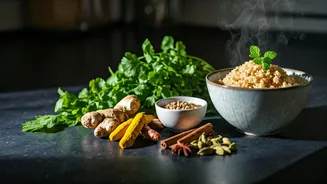
This modern 'trend' is ancient wisdom in India. Ayurveda has long championed the principle of 'Ritucharya'—a seasonal regimen designed to keep the body’s doshas (Vata, Pitta, Kapha) in balance as the seasons change. According to Ayurveda, the environment's qualities are mirrored in our bodies. In the heat of summer (Pitta season), nature provides cooling foods like cucumber, watermelon, and mint. In the cold, dry winter (Vata season), we get grounding and warming foods like root vegetables, sesame, and ghee. Eating these foods helps our bodies adapt and stay healthy. It’s a beautiful system of synergy, where nature provides the exact medicine our bodies need for each specific time of year.
A Boost for Your Gut and Digestion
Your gut microbiome, the vast community of bacteria living in your digestive tract, thrives on diversity. Eating seasonally is a natural way to ensure your diet rotates throughout the year. Instead of eating the same few vegetables all year round, you introduce new types of plant fibres and phytonutrients with each changing season. This variety feeds a wider range of beneficial gut bacteria, promoting a more robust and resilient microbiome. A healthy gut is linked to better immunity, improved mood, and more efficient digestion. By syncing your plate with the calendar, you are providing your internal ecosystem with the varied nourishment it needs to flourish.
How to Easily Start Eating Seasonally
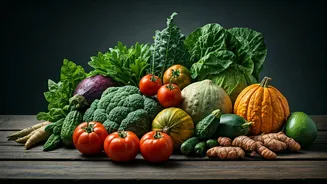
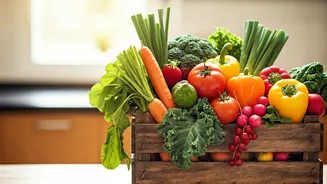
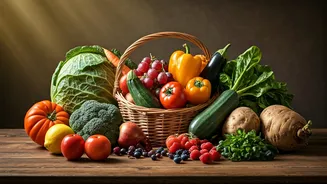
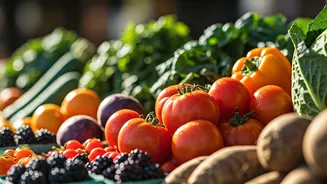
This shift doesn't require a complete overhaul of your life. Start small. The best place to begin is your local sabzi mandi or farmers' market. Observe what is abundant and being sold at the lowest price—that’s almost always what’s in season. Ask the vendors what’s fresh and local. In summer, look for bhindi, lauki, and of course, mangoes. During the monsoon, fill your basket with gourds and leafy greens. Winter brings a bounty of carrots, peas, radishes, and sarson ka saag. Simply paying attention and making one or two seasonal swaps a week can begin to retune your palate and your shopping habits.