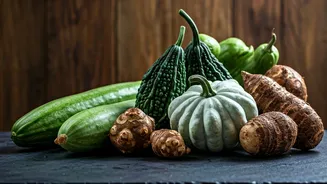







Bottle Gourd (Lauki): The Hydration Hero
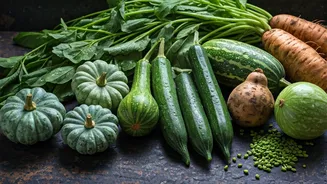
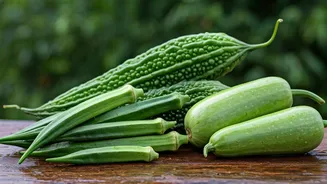
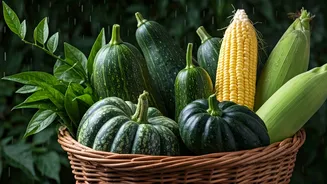
Often overlooked, the humble lauki is a monsoon superstar. Composed of over 90% water, it’s incredibly hydrating and exceptionally easy on the digestive system, which tends to be sluggish during this season. Its cooling properties help counteract the humidity.
Rich in fibre, it aids in smooth digestion and prevents constipation. It’s also low in calories and packed with essential minerals like sodium, potassium, and iron. Its subtle flavour makes it incredibly versatile—it can be used in everything from simple subzis and comforting soups to koftas and even sweet halwa. For a quick monsoon meal, try a simple lauki chana dal for a protein-packed and easily digestible dish.
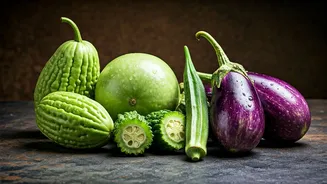
Bitter Gourd (Karela): The Immunity Booster
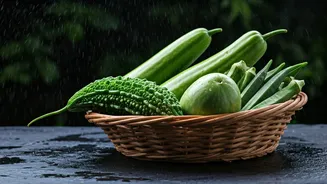
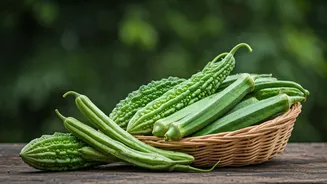
Don’t let its bitter taste put you off. Karela is one of the most powerful medicinal vegetables available during the rainy season. It is loaded with Vitamin C, a potent antioxidant that is crucial for building a strong immune system to fight off common monsoon infections like colds and flu. Its bitter compounds are known to purify the blood, improve skin health (warding off seasonal acne), and help regulate blood sugar levels. A fantastic way to reduce its bitterness is to scrape the skin, marinate the slices in salt and turmeric, and then squeeze out the bitter juice before cooking. A crispy, stir-fried karela with onions and spices makes for a delicious and healthy side dish.
Pointed Gourd (Parwal): The All-Rounder
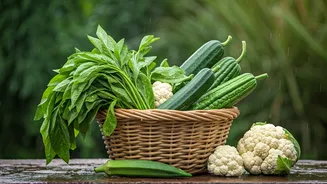
Parwal, or pointed gourd, is a powerhouse of nutrients that truly shines during the monsoon. It is packed with Vitamins A and C, which bolster the immune system and protect against seasonal illnesses. According to Ayurveda, it helps balance the body's doshas and is particularly effective in treating colds, coughs, and fevers. Its seeds and flesh are rich in fibre, which helps keep the gut clean and functioning optimally. This versatile vegetable can be stuffed, fried, or added to rich gravies. A classic ‘Parwal ki Sabzi’ with potatoes in a simple tomato-ginger gravy is a staple in many Indian homes for a reason—it’s both comforting and nourishing.
Ridge Gourd (Turai): The Gut Guardian
Another member of the gourd family, turai is a low-calorie, high-fibre vegetable that is excellent for digestive health. Its spongy texture absorbs spices beautifully, while its high water content keeps you hydrated. The presence of both soluble and insoluble fibre promotes regular bowel movements and helps create a healthy gut microbiome, which is the first line of defence for your immune system. It also contains insulin-like peptides that can help manage blood sugar. A simple turai subzi, cooked with minimal spices and perhaps some poppy seeds (posto) in the Bengali style, is a light yet satisfying meal that won’t weigh you down.
Sweet Potato (Shakarkandi): The Energy Provider
While we often associate it with winter, sweet potato is an excellent root vegetable for the monsoon. It provides complex carbohydrates that release energy slowly, keeping you active and warm on gloomy days. More importantly, it is one of the richest natural sources of beta-carotene, which the body converts into Vitamin A. This vitamin is vital for immune function and maintaining the health of mucosal linings in our respiratory tract, protecting us from airborne pathogens. Instead of deep-frying, try roasting or boiling it and making a chaat with lemon juice, rock salt, and chaat masala for a healthy and delicious evening snack.
Indian Yam (Suran/Jimikand): The Root of Wellness
Suran, or elephant foot yam, is a hearty root vegetable that provides sustained energy and is traditionally consumed to keep the body warm. It's a good source of potassium, which helps regulate blood pressure, and is rich in dietary fibre that aids digestion. It also has anti-inflammatory properties that can be beneficial during a season known for joint aches. It's crucial to cook yam properly to remove its natural irritants. It can be made into delicious curries, cutlets, or crispy fries. A spicy suran curry is a perfect accompaniment to rotis on a rainy day, offering both warmth and a wealth of health benefits.