








The Rise of a Travel Revolution
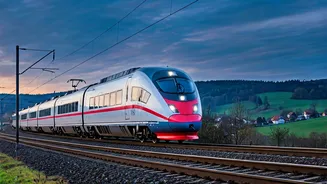
There's a quiet revolution happening on the rails of Europe. After years of being sidelined in favour of budget airlines, the humble overnight train is making a spectacular comeback. This isn't just about nostalgia; it's a smart, modern response to the frustrations
of contemporary travel. Travellers are growing weary of the time and stress spent in airport security lines, not to mention the environmental impact of short-haul flights. The sleeper train offers an elegant solution: board a train in the evening in one city, enjoy a comfortable night's sleep, and wake up refreshed in the heart of a new destination. You save on a hotel room for the night and gain a full day for exploration, making it a compelling option for savvy travellers.
Not Your Grandfather's Night Train
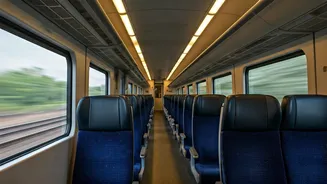
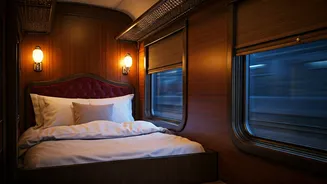
If your image of a night train involves stuffy, cramped compartments, it’s time for an update. While you can still find budget-friendly reclining seats and social six-person couchette cars that feel like hostels on wheels, the new wave of sleeper trains offers a range of modern comforts. Many services, like those from Austria's ÖBB Nightjet, now feature private cabins with one to three beds, washbasins, and even en-suite showers and toilets in deluxe categories. Some companies are even rolling out innovative solo pods for single travellers seeking privacy without the cost of a full cabin. These trains are designed to feel like hotels on rails, prioritising comfort, style, and a seamless journey from city centre to city centre.
New Connections for 2026
The excitement is being fuelled by a host of new routes launching across the continent, reconnecting major European hubs. The Belgian-Dutch cooperative European Sleeper is at the forefront, having revived the iconic Paris-Berlin route in March 2026. They are also launching a highly anticipated service connecting Amsterdam and Brussels with Milan, via the Swiss Alps, starting in June 2026. Other new journeys for 2026 include a 16-hour trip from Basel in Switzerland all the way to Malmö in Sweden, connecting through Germany and Denmark. Even established services are expanding, with the famous Caledonian Sleeper in the UK adding a stop in Birmingham to its London-to-Scotland routes. This growing network is making it easier than ever to crisscross the continent by rail.
An Experience in Itself
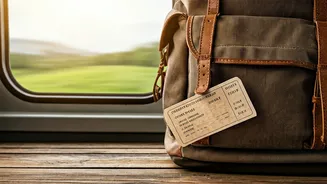
The biggest appeal of the sleeper train is that the journey itself becomes a memorable part of the holiday, not just a means to an end. There is an undeniable romance to watching the landscape change from your window as you travel from one country to another. It's a chance to disconnect, read a book, and have deep conversations without the interruptions of airport announcements and spotty in-flight Wi-Fi. It offers a different perspective on travel, where the pace is slower and the experience is richer. You're not just teleporting between destinations; you're witnessing the space between them, fostering a deeper connection to the places you visit.
Is the Sleeper Train for You?
Sleeper trains cater to a wide range of travellers. For budget backpackers, a couchette is often more affordable than a last-minute flight and a hostel bed. For families and couples, a private cabin offers a comfortable and unique travel experience. Environmentally conscious travellers will appreciate that train journeys can produce up to 97% lower carbon emissions than equivalent flights. While the most luxurious cabins can be pricey, a standard sleeper is often competitive with the combined cost of a budget airline ticket and a one-night hotel stay. It's a trade-off that is convincing more and more people to ditch the plane and embrace the magic of the rails.