
A New Era in Low-Earth Orbit
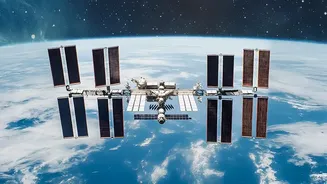
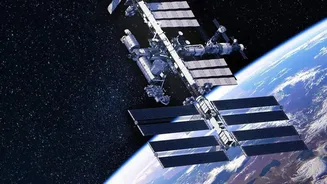
The planned decommissioning of the International Space Station around 2030 marks a pivotal shift in space exploration. Instead of a single, government-run laboratory, the future of low-Earth orbit (LEO) will be a bustling ecosystem of commercially owned
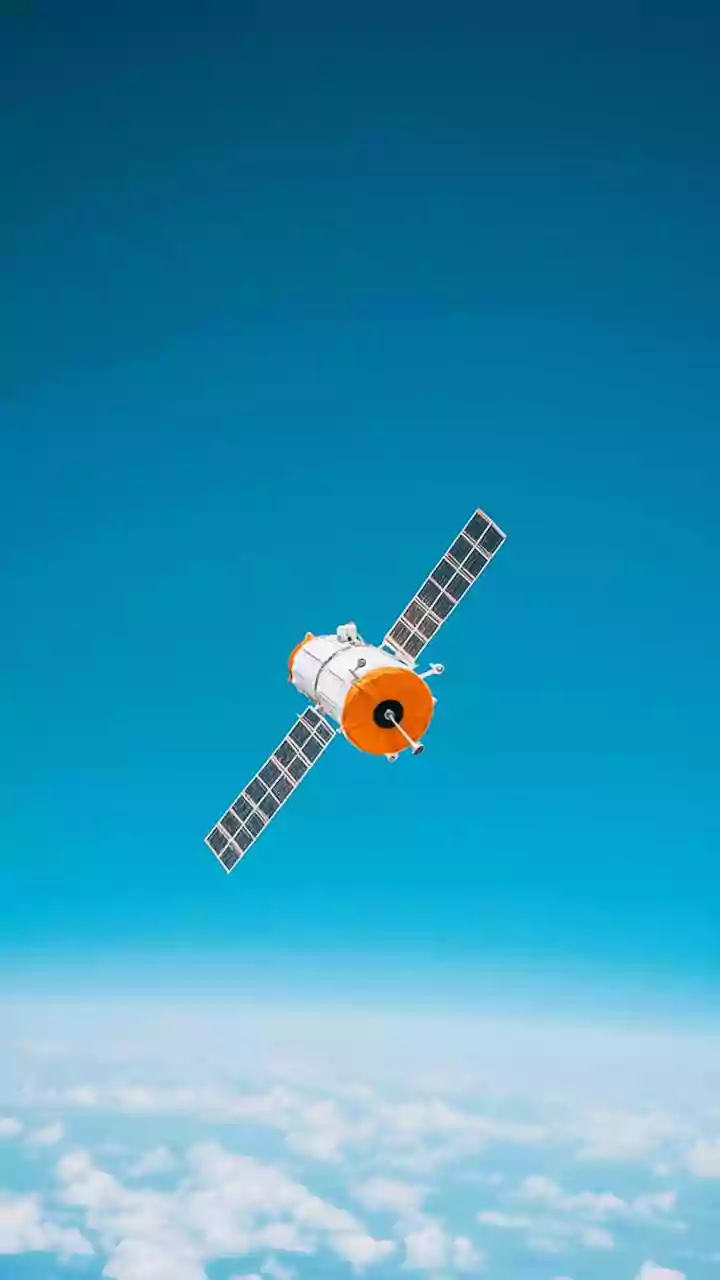
and operated destinations. Companies like Axiom Space, Blue Origin with its Orbital Reef station, and the Starlab venture from Voyager Space and Airbus are at the forefront of this transition, supported by NASA's strategy to become a customer rather than a sole operator. This new model aims to create a robust LEO economy, where diverse clients—from national space agencies and academic researchers to pharmaceutical companies and tech startups—can purchase services and conduct science in orbit. These next-generation platforms aren't just replicas of the ISS; they are being designed from the ground up with a focus on efficiency, accessibility, and cutting-edge research capabilities.
Designed for Discovery: Key Module Features
The primary advantage of these new modules is their modern, purpose-built design. Starlab, for instance, is conceived as a combination habitat and science park, featuring labs for biology, plant habitation, and materials research right from its launch. It's also designed for a single launch deployment, which drastically reduces complex and costly in-space assembly. Orbital Reef, envisioned as a 'mixed-use business park in space,' will boast specialized research modules and a structure that supports up to 10 crew members, a significant increase from the ISS. Axiom Station, which will begin as a segment attached to the ISS before becoming a free-flying platform, includes a dedicated Research and Manufacturing module. Many of these stations will leverage advanced robotics and AI to automate tasks, optimize operations, and reduce the burden on crew, allowing scientists to focus more on experiments. This increased automation, combined with greater power and data capabilities, creates a more efficient and powerful research environment.
Unlocking New Scientific Frontiers
These advanced capabilities directly translate to new and expanded research opportunities. The microgravity environment offers unique advantages for a range of fields. In biotechnology and pharmaceuticals, the absence of gravity allows for the growth of purer protein crystals, which is crucial for understanding diseases and designing new drugs. Companies like LambdaVision are looking to use commercial stations to advance research and manufacturing of protein-based artificial retinas for patients with degenerative eye diseases. In materials science, researchers can create novel alloys and composites impossible to produce on Earth. Furthermore, these stations are designed as holistic science parks. Starlab's George Washington Carver Science Park, for example, will have a ground-based analog at The Ohio State University, creating a seamless workflow for researchers to prepare experiments on Earth before sending them to orbit. This integrated approach is expected to accelerate discoveries in medicine, energy, and technology.
The Business of Breakthroughs
Ultimately, the shift to commercial stations is about democratizing access to space. By creating a competitive market, companies aim to lower the costs and complexity associated with orbital research. Instead of navigating a multi-year process with a government agency, a research institution or private company can work directly with a commercial provider like Axiom, which offers turnkey services from hardware development to mission execution. This model lowers the barrier to entry, enabling more players to participate in the space economy. Blue Origin and Sierra Space's Orbital Reef explicitly aims to provide end-to-end services for industrial, commercial, and international customers. This creates a virtuous cycle: as more users access orbit, the business case for these stations strengthens, leading to further investment, more advanced capabilities, and ultimately, a faster pace of innovation that benefits life on Earth.