



The Enduring Comfort of Curd Rice
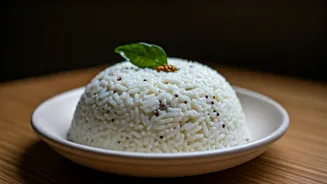
For generations, curd rice—or thayir sadam—has been a staple in South Indian households and beloved across the country. It is the ultimate comfort food: simple, soothing, and deeply satisfying. Traditionally eaten at the end of a meal, it helps cool the system,
aids digestion after a spicy spread, and provides a sense of closure. In the sweltering heat of Indian summers, a bowl of chilled curd rice is not just a meal; it's a reset button. Made with soft-cooked rice, fresh yogurt, and a simple tempering of mustard seeds, curry leaves, and ginger, it’s a dish that’s both a humble daily staple and a nostalgic comfort food served to everyone from toddlers to grandparents.
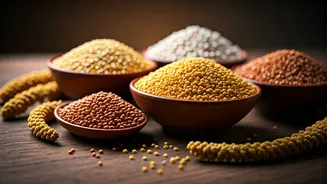
Enter the Mighty Barnyard Millet
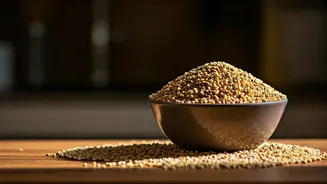
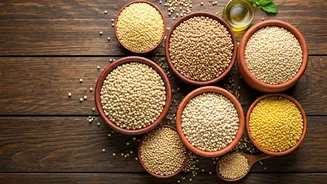
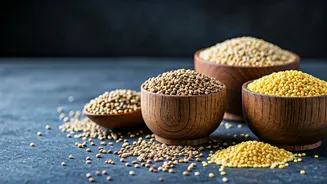
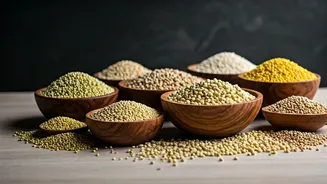
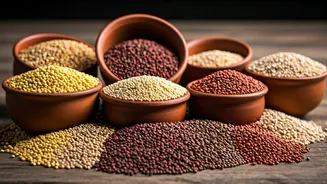
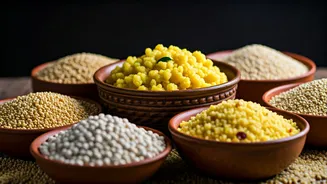
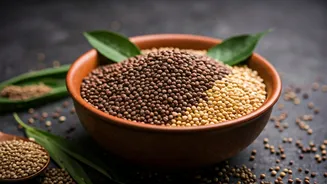
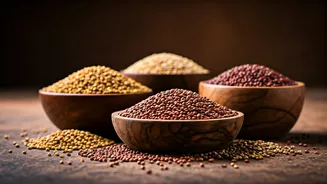
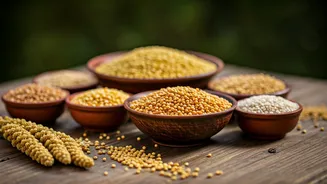
The architect of this modern twist is the barnyard millet, known as kuthiraivali, jhangora, or sanwa in different parts of India. Millets are not a new fad; they are ancient grains that were the backbone of the Indian diet for centuries before polished rice and wheat became dominant. The recent resurgence in their popularity is driven by a collective shift towards healthier, more sustainable eating. Once considered a 'poor man's grain', millets are now celebrated by nutritionists and chefs for their resilience and impressive nutrient profile. This comeback isn't about replacing classics but re-embracing forgotten wisdom with a modern understanding of health.
A Nutritional Upgrade
So, why are home chefs specifically turning to barnyard millet for their curd rice? The answer lies in its powerful health benefits. Compared to white rice, barnyard millet is a nutritional powerhouse. It is significantly richer in dietary fibre, protein, iron, and minerals like magnesium. One study notes that barnyard millet contains substantially more fibre (4.16% vs 0.90%) and protein (7.58% vs 7.01%) than rice. It also has a lower glycemic index, which means it releases sugar into the bloodstream more slowly, making it an excellent choice for managing blood sugar levels and for those with diabetes. With fewer calories and a higher satiety factor due to its fibre content, it’s also a fantastic swap for anyone focused on weight management.
Making the Switch in Your Kitchen
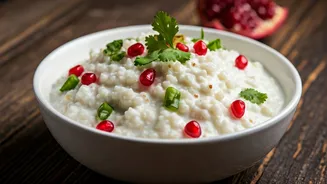
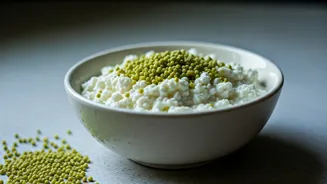
The beauty of this trend is its simplicity. Home cooks have found that barnyard millet adapts wonderfully to the curd rice format. The key is to cook the millet until it's soft and slightly mushy, mimicking the texture of overcooked rice typically used for the dish. After washing, the millet is cooked with a little extra water (a ratio of around 1:2.5 or 1:3 millet to water) until tender. Once cooled, it’s mixed with whisked curd, salt, and often a splash of milk to prevent it from turning sour. The classic tempering of oil, mustard seeds, urad dal, curry leaves, and grated ginger remains the same, tying the new-age dish to its traditional roots. For added texture and flavour, many add pomegranate seeds, grated carrots, or chopped cucumber.
More Than Just a Health Trend
This culinary shift reflects a broader cultural movement. It’s about being more mindful of what we eat, reconnecting with agricultural heritage, and embracing sustainability. Millets are climate-resilient crops, requiring less water and fewer inputs than rice, making them an environmentally sound choice. As home chefs share their millet creations on social media and in community groups, they are not just trading recipes; they are participating in a grassroots movement that champions both personal health and planetary well-being. This reinvention of evening curd rice shows that tradition is not a rigid set of rules but a living, breathing thing that can evolve to meet the needs of a new generation.