



From Niche Fuel to Mainstream Staple
For years, protein was primarily associated with bodybuilders and elite athletes, consumed in chalky shakes to build muscle. Today, that perception has completely shifted. Driven by a broader wellness movement across India, consumers are more health-conscious
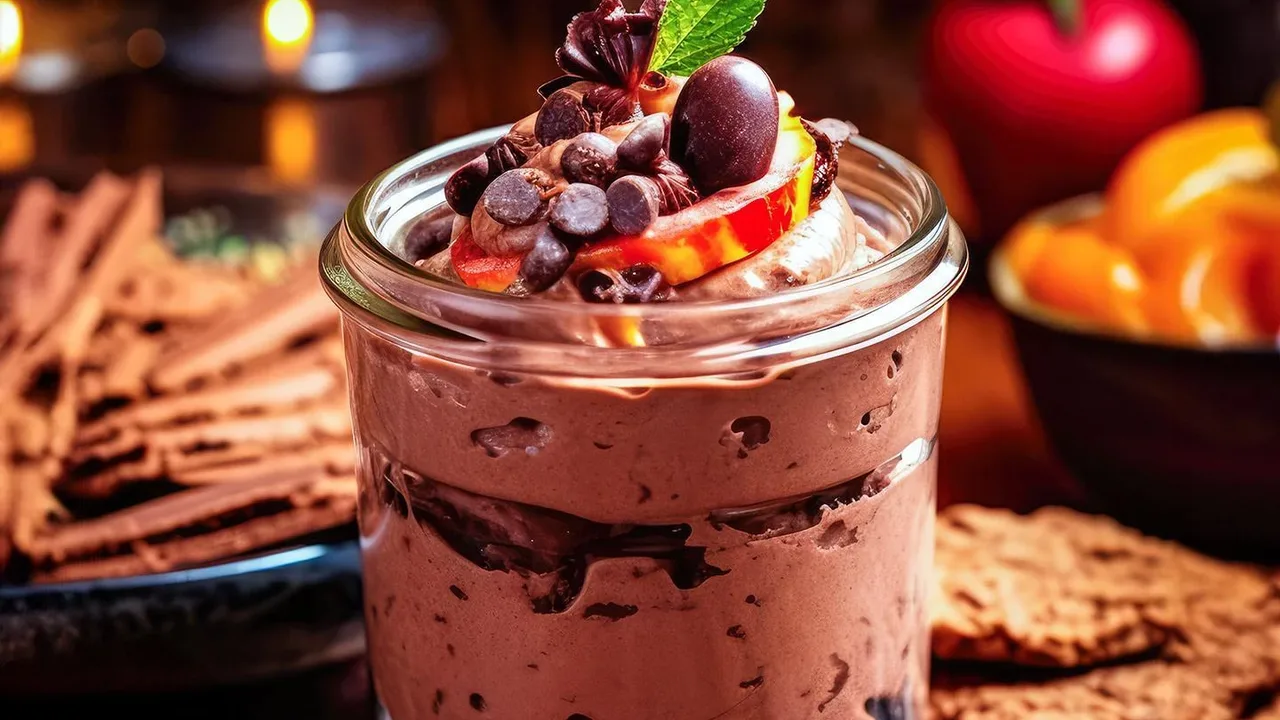
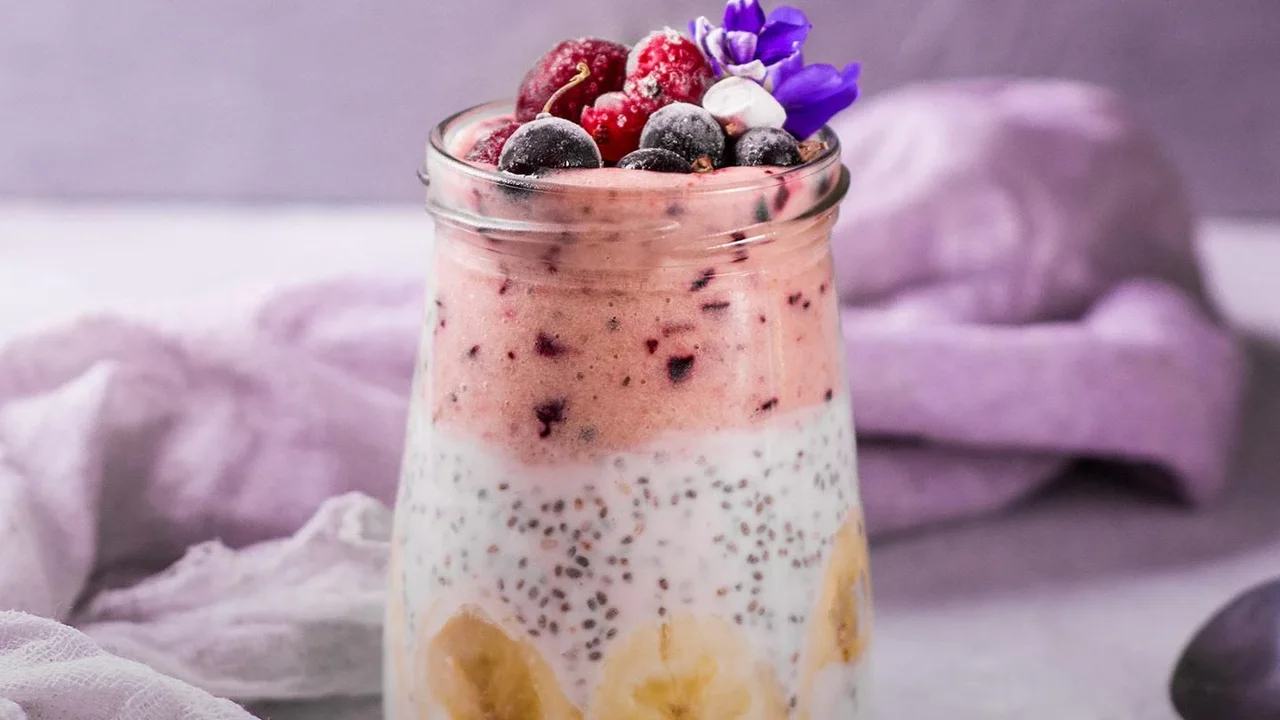
than ever. They’re actively seeking ways to improve their nutrition without making huge sacrifices, and food companies have taken notice. The result is the rise of 'functional foods'—products designed to offer health benefits beyond basic nutrition. Desserts, traditionally seen as 'empty calories,' are the latest category to get this upgrade. Brands are now marketing protein-fortified treats as a way to indulge smartly, appealing to everyone from fitness enthusiasts looking for a post-workout reward to busy parents wanting a more satisfying snack.
What's on the Fortified Menu?
The trend started most noticeably in the freezer aisle. Protein ice cream has become a popular segment, offering pints that boast significant protein content with less sugar and fat than their traditional counterparts. A standard serving of regular ice cream might have 3-4 grams of protein, while a protein version can pack 10-15 grams or more. But it doesn't stop there. The market now includes protein-enriched brownies, cookies, refrigerated Greek yogurt bars with a cheesecake-like texture, and puddings. Even traditional Indian sweets are getting a protein-conscious makeover, with recipes for high-protein kheer, besan ladoo, and sandesh gaining traction, often using ingredients like paneer, nuts, and healthier sweeteners like jaggery.
The Science of the Sweet Scoop
So, what are companies actually adding to these desserts? The most common sources are whey and casein, both derived from milk. Whey protein is popular in baked goods because its structure helps create a lighter, fluffier texture, whereas some other types can lead to a dense or dry result. It's also a 'complete protein,' meaning it contains all the essential amino acids your body needs. For the growing number of consumers seeking dairy-free options, plant-based proteins from peas, brown rice, and hemp are also widely used. These are often blended to create a complete amino acid profile. These additions do more than just increase the protein count; they can help stabilize blood sugar levels, preventing the sharp spike and crash associated with high-sugar treats. Protein also promotes satiety, making you feel fuller and more satisfied with a smaller portion.
A Health Halo? How to Read the Label
While adding protein is a nutritional plus, it doesn't automatically make a dessert healthy. This is where savvy label-reading becomes crucial. Experts caution that 'high in protein' can sometimes be a marketing slogan, similar to the 'fat-free' craze of the past that often hid high sugar content. When you pick up a protein dessert, look beyond the headline claim. Check the full nutrition panel. Pay attention to added sugars; some products compensate for less fat with more sugar or artificial sweeteners. Also, look at the saturated fat and total calorie count to ensure it aligns with your health goals. The ingredient list is just as important. A shorter list with recognizable, whole-food ingredients is generally a better sign than a long list of processed powders, gums, and artificial flavours.
The Verdict: A Better-for-You Treat
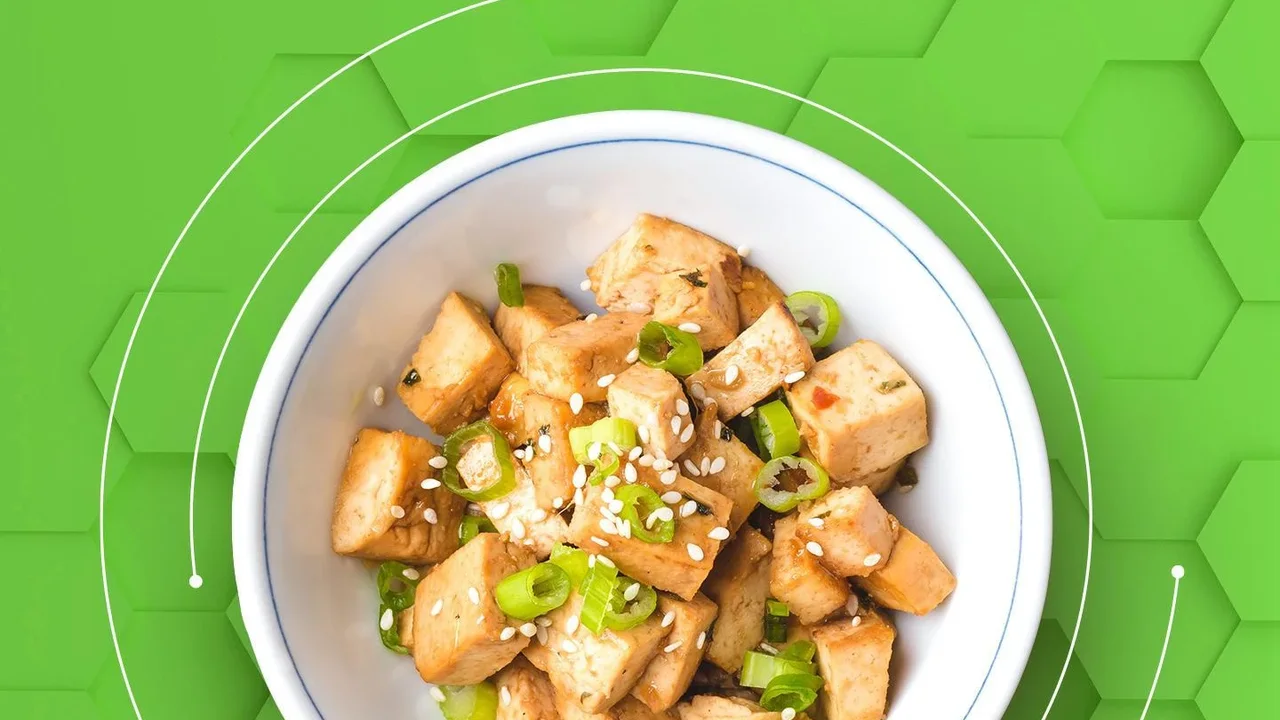
So, should you swap all your desserts for protein-packed versions? The consensus among dietitians is that these products can have a place in a balanced diet, but they aren't a free pass. They are best viewed as a more nutritionally robust treat, not a health food to be eaten without limits. For individuals who struggle to meet their daily protein needs, such as athletes or older adults, they can be a convenient and enjoyable supplement. However, they shouldn't replace whole-food protein sources like lean meats, eggs, beans, and tofu. Ultimately, a protein brownie is still a brownie. It may be more satisfying and offer more nutrients than a traditional one, but moderation remains key. This trend represents a positive step toward more mindful indulgence, giving consumers an option that satisfies a sweet craving while contributing a little more to their nutritional goals.