




What Exactly Is Sattu?
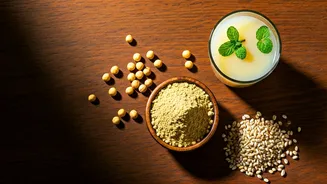
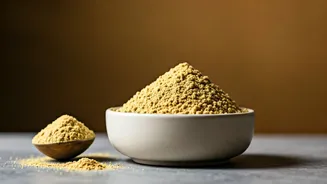
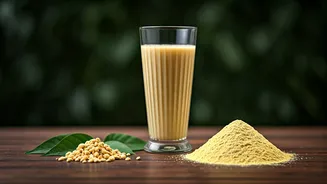
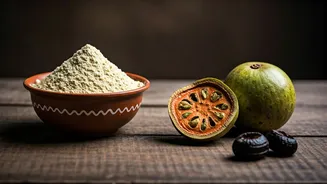
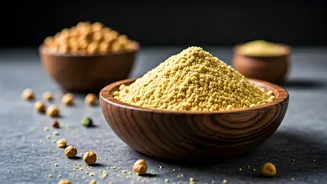
Before it became a buzzword in wellness circles, sattu was—and still is—a humble staple in states like Bihar, Jharkhand, and Uttar Pradesh. At its core, sattu is a flour made from roasted grams (kala chana) or a mix of roasted grains and pulses. The traditional
process is beautifully simple: the grams are cleaned, roasted in sand to ensure even heating, and then ground into a fine powder. This ancient 'fast food' was valued by farmers and labourers for its ability to provide sustained energy and keep the body cool in the scorching summer heat. It’s not a new invention; it's a time-tested source of nourishment that’s finally getting its moment in the global spotlight.
Decoding 'Clean Plant Protein'
The headline makes a bold claim, so let's break it down. 'Plant protein' is straightforward: sattu is derived entirely from Bengal gram, a legume. But the word 'clean' is where it truly shines. In today's market, 'clean' implies minimal processing, no artificial additives, and a simple ingredient list. Sattu is the epitome of this. It’s a whole food, simply roasted and ground. Unlike many commercial protein powders that can contain emulsifiers, artificial sweeteners, and preservatives, pure sattu is just one ingredient. The roasting process not only gives it a unique, nutty flavour but also makes the nutrients more bioavailable, meaning your body can absorb them more easily. This simplicity is its greatest strength.
The Nutritional Powerhouse
So, how does sattu stack up nutritionally? Impressively well. A 100-gram serving of sattu typically contains around 20-25 grams of high-quality protein, making it a formidable contender in the plant-protein world. But it’s not just about the protein. Sattu is packed with dietary fibre, around 10-15 grams per serving, which aids digestion, promotes satiety, and helps regulate blood sugar levels. This is why it’s known for having a low glycemic index, preventing the energy spikes and crashes associated with refined carbohydrates. Furthermore, it's a rich source of essential minerals like iron, manganese, and magnesium, which are crucial for energy production and overall health. Its traditional reputation as a cooling agent isn't just folklore; its high fibre and hydrating properties help maintain body temperature.
Sattu vs. The Modern Protein Shake
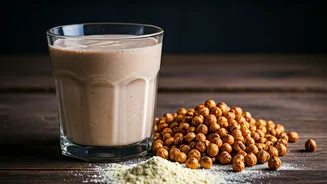
How does sattu compare to the whey, soy, and pea proteins that dominate gym bags? While whey protein is a complete protein and often has a higher protein concentration, sattu holds its own, especially for those seeking plant-based or dairy-free options. Compared to many single-source plant proteins like rice or pea, sattu (made from chana) offers a more robust amino acid profile. Crucially, it's a whole food, not an isolate. This means you get the protein along with the fibre, vitamins, and minerals that are naturally present in the gram. It is also significantly more affordable and generally easier to digest than some processed protein isolates, which can cause bloating for some individuals. It doesn’t have to be an either-or choice; for many, sattu is an excellent, natural, and cost-effective component of a balanced protein strategy.
More Than Just a Drink
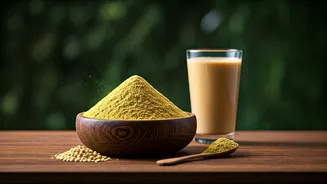
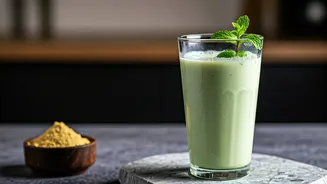
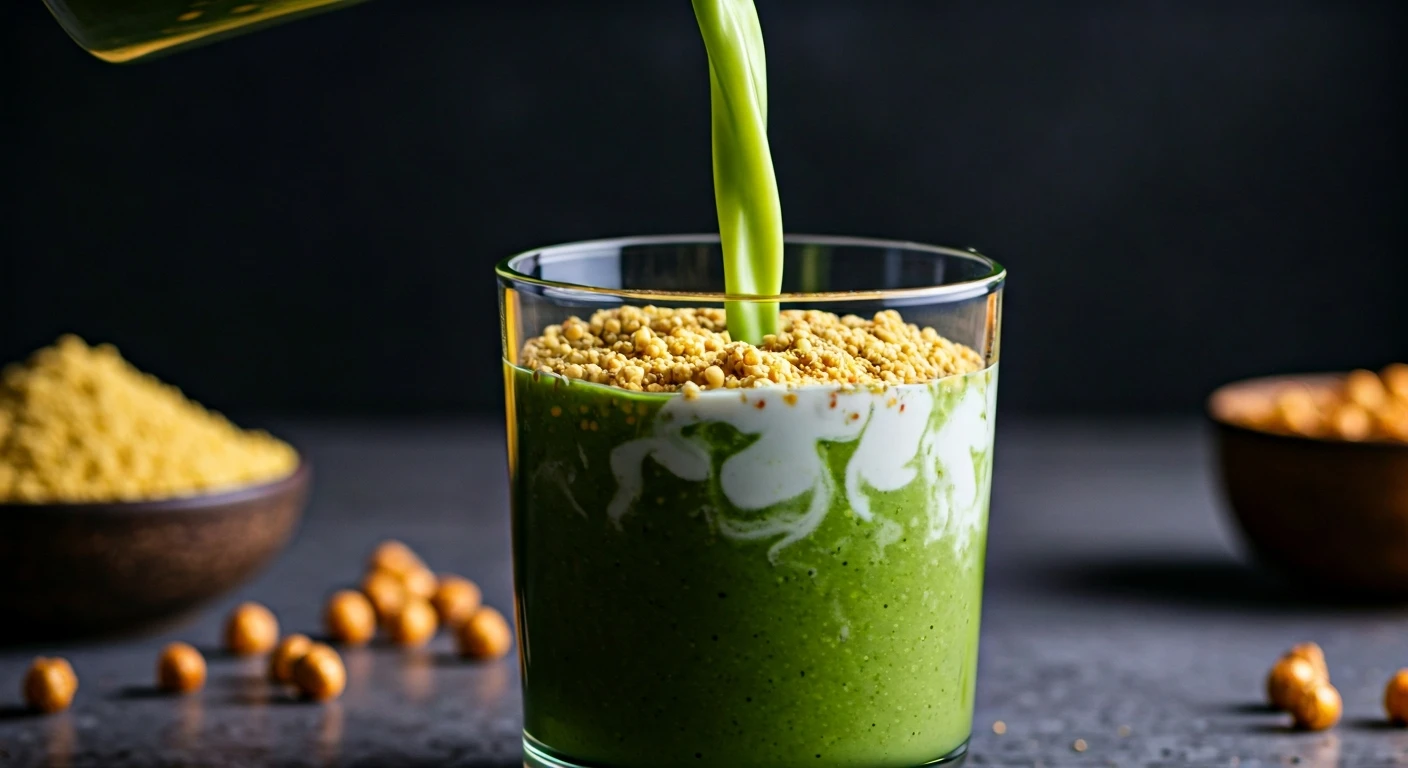
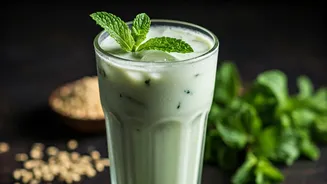
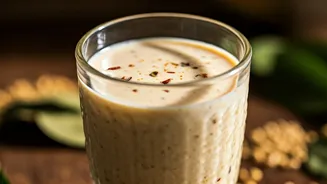
The simplest way to consume sattu is the classic way: mix a few spoons with water, a pinch of salt, and a squeeze of lemon for a refreshing, savoury sharbat. But its versatility extends far beyond a simple drink. You can mix it into a thick paste to make protein-rich energy balls, often sweetened with jaggery and flavoured with cardamom. It serves as a delicious and nutritious stuffing for parathas, creating a hearty and filling meal. It’s the star ingredient in Bihar’s famous litti. You can even add a spoonful to your regular chapati dough, smoothies, or oatmeal to effortlessly boost their nutritional content. Thinking of sattu only as a post-workout shake misses its vast culinary potential as a versatile kitchen ingredient.