






Why You Feel Bloated and Tired
After days of feasting on foods that are higher in fat, sugar, and salt than usual, it's common to feel bloated, gassy, and lethargic. These heavier foods can slow down digestion, overwhelming your system and altering the balance of your gut bacteria.
This change often leads to that uncomfortable, overstuffed feeling. Your body is working overtime to process everything, which can sap your energy. The key isn't to feel guilty, but to understand that your digestive system needs a gentle reset to return to its normal rhythm.
The Gentle Power of Dietary Fibre
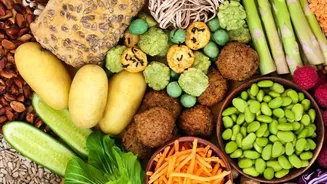
Dietary fibre is your gut's best friend, especially after a period of indulgence. It's a type of carbohydrate the body can't digest, and it plays a crucial role in digestive health. Insoluble fibre acts like a 'scrub brush', helping to clean out your system and add bulk to stool, which promotes regularity. Soluble fibre, on the other hand, can help slow the absorption of sugar and lower cholesterol. Together, they help feed the beneficial bacteria in your gut, which are essential for healthy digestion and reducing inflammation.
Fibre-Rich Indian Foods to Embrace
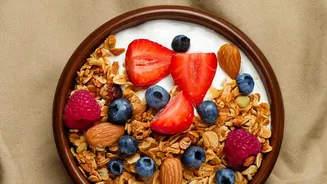
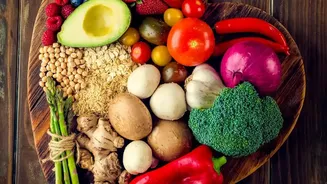
Returning to a fibre-rich diet is easy with everyday Indian foods. Focus on incorporating whole grains, legumes, vegetables, and fruits. Start your day with vegetable upma or a bowl of oatmeal. For main meals, simple dishes like moong dal khichdi, rajma, or chana masala are excellent choices. Pair them with whole-wheat rotis or brown rice. Make sure to include plenty of vegetables like bhindi (okra), lauki (bottle gourd), and leafy greens such as palak (spinach) and methi (fenugreek) in your sabzis. These foods are naturally high in fibre and help restore balance.
Hydration is Non-Negotiable
As you increase your fibre intake, drinking enough water is crucial. Fibre works best when it absorbs water, which helps soften stool and move it smoothly through your digestive tract. Not drinking enough fluids while eating more fibre can actually worsen constipation. Aim for at least eight glasses of water a day. Other hydrating options include clear soups, coconut water, and herbal teas like ginger or mint, which can also help soothe an upset stomach.
Adopt Other Gut-Friendly Habits
Beyond food, a few simple habits can support your digestive recovery. Incorporate probiotics into your diet by having a bowl of curd (dahi), which contains beneficial bacteria that aid digestion. Instead of three large meals, try eating smaller, more frequent meals to avoid overwhelming your system. Gentle movement, such as a 15-20 minute walk after eating, can also significantly help with digestion, reduce bloating, and help manage blood sugar levels. It's a simple way to help your body feel better without strenuous effort.