


The Shape of Flavour
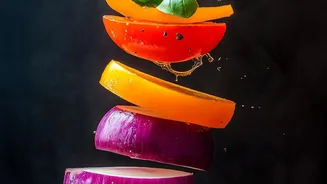
The way you cut a vegetable dramatically changes its taste and texture. A fine dice cooks faster and can melt into a sauce, while large chunks will hold their shape and offer a more substantial bite. Think about a humble carrot. Sliced into thin rounds,
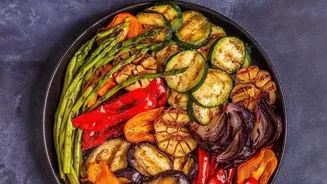
it cooks quickly and becomes sweet. Cut into long, plank-like strips and roasted, you create more surface area for delicious caramelization. Even the angle of your knife matters. A round piece of food can feel more succulent in the mouth, while a square cut feels more rugged. Try turning your lauki into thin noodles with a peeler or cutting your bhindi on a sharp diagonal for a stir-fry; the new shapes will not only look more interesting but will cook and feel different in your mouth.
Beyond Salt and Turmeric
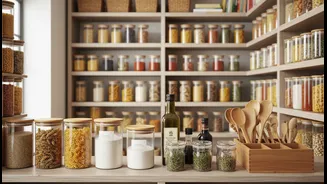
A well-stocked spice cabinet is your greatest asset in the kitchen. To bring your vegetables to life, think in layers of flavour. Start with whole spices bloomed in hot oil—mustard seeds with potatoes or cumin with carrots are classic pairings for a reason. Don't be afraid to use spice blends like garam masala with lentils or cauliflower to add warmth and complexity. Fresh herbs, added at the end of cooking, can provide a burst of freshness. The smokiness of paprika can enhance the earthy flavour of mushrooms, while the citrusy notes of coriander pair beautifully with the creaminess of sweet potatoes. The key is to start with small amounts and taste as you go. Even boiling vegetables can be more flavourful if you add salt and fragrant herbs like rosemary or thyme to the water.
Mastering Mouthfeel
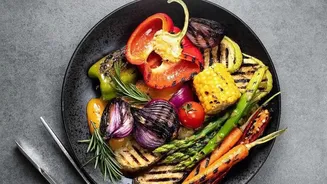
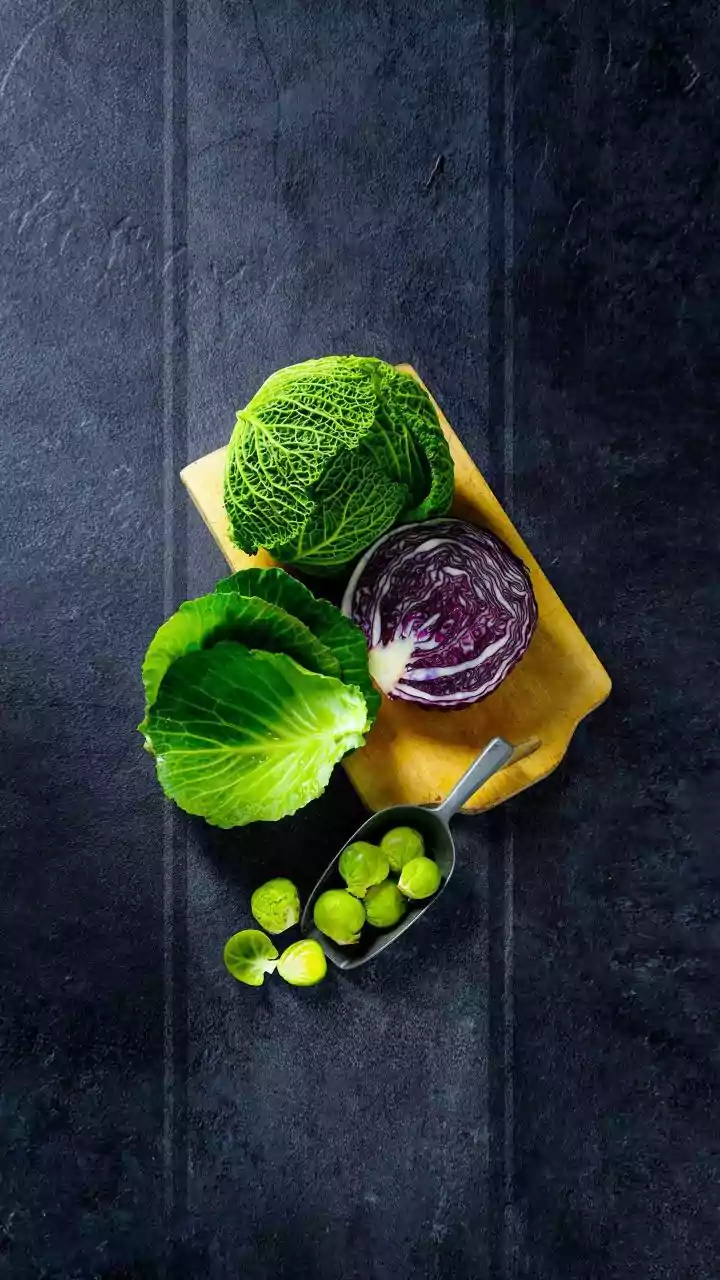
Texture is arguably as important as flavour, and often, it's the element that makes a dish truly memorable. A meal with only soft textures can feel monotonous, while one with only crunchy items can be jarring. The magic is in the contrast. Aim for a combination of textures on your plate. If you have a creamy dal, pair it with a crisp kachumber salad. Add toasted nuts or seeds to a smooth vegetable purée. Cooking methods are your primary tool for controlling texture. Roasting or air-frying vegetables like gobi (cauliflower) or brussels sprouts creates crispy edges and a tender interior. Stir-frying maintains a pleasant tender-crisp crunch. Don't overcook your vegetables; most are best when cooked briefly to preserve their flavour and texture.
Putting It All Together
Let's apply these principles. Instead of a simple boiled potato sabzi, try this: Cut the potatoes into small, even cubes for more crispy surface area. Toss them with oil and a generous sprinkle of mustard seeds, cumin, and smoked paprika. Roast them at a high temperature until the edges are dark and crispy and the insides are fluffy. Just before serving, squeeze over some fresh lemon juice and scatter with chopped coriander. Here, you've considered the cut (small cubes), the seasoning (a layered spice blend), and the texture (crispy exterior, soft interior, with a fresh finish). Another example: take zucchini and use a vegetable peeler to create long, thin ribbons. Toss them raw with a simple dressing of lemon juice, olive oil, fresh mint, and top with crumbled paneer and toasted walnuts. It's a no-cook side dish that is a feast of different textures and fresh flavours.