



Rethink Your Kitchen Routine
The kitchen is often the heart of the home, and also a major hub of water consumption. Simple shifts in habits here can lead to substantial savings. Instead of washing fruits and vegetables under a running tap, use a large bowl of water. This collected
water can then be reused for watering houseplants. When it comes to washing dishes, try to run your dishwasher only when it's fully loaded. If you wash by hand, plug the sink or use a basin instead of letting the tap run continuously. Another easy win is to scrape food scraps into a compost bin rather than rinsing plates before loading them into the dishwasher. Even the way you cook can make a difference; steaming vegetables uses less water than boiling and retains more nutrients.
Master the Bathroom
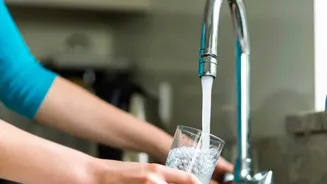
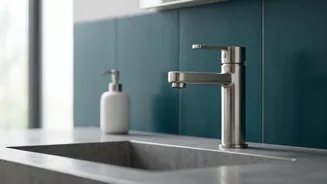
The bathroom accounts for a significant portion of household water use, but it also offers the biggest opportunities for conservation. Turning off the tap while brushing your teeth or shaving is a classic for a reason—it can save a tremendous amount of water over a year. Consider shortening your shower by just a couple of minutes; a five-minute shower uses far less water than a full bath. For an even bigger impact, installing water-saving aerators on faucets and low-flow showerheads can reduce water usage by up to 60% without sacrificing pressure. Finally, address leaks promptly. A single dripping tap can waste thousands of litres of water annually, making a quick fix one of the most effective conservation actions you can take.
Smarter Laundry and Cleaning
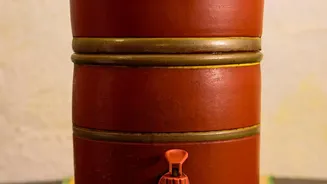
When it comes to laundry, the golden rule is to only wash full loads. This maximizes the efficiency of your washing machine for both water and energy. If you are in the market for a new appliance, consider a high-efficiency model that uses significantly less water per cycle. Another valuable practice is reusing the wastewater from RO water purifiers. This 'waste' water is often clean enough for tasks like mopping floors or cleaning outdoor areas. Instead of hosing down driveways or balconies, use a broom to sweep them clean. For washing your car, opt for a bucket and sponge over a running hose to drastically cut down on water waste.
The Collective Impact of Small Changes
The concern over water levels is valid. As of late September 2026, storage in India's major reservoirs was at 70% of total capacity, which is below both last year's level and the ten-year average. The southern region, in particular, has seen a sharp decline, with reservoirs at just 50% of their capacity due to a deficit in monsoon rainfall. While these figures can seem daunting, they highlight the importance of collective action. The habits adopted in millions of homes across the country can collectively ease the pressure on our shared water resources. Each litre saved contributes to a larger pool of available water for drinking, irrigation, and essential services, helping to build a more resilient future.