

Embrace the Monsoon Magic
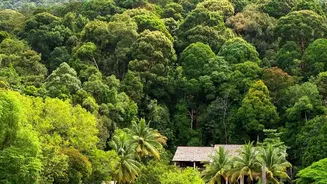
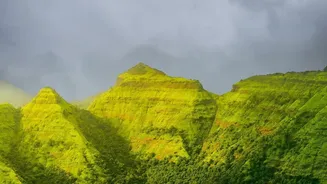
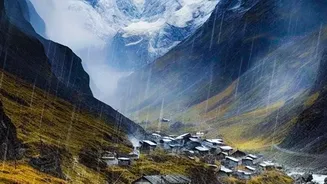
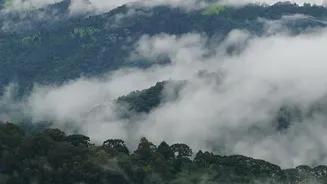
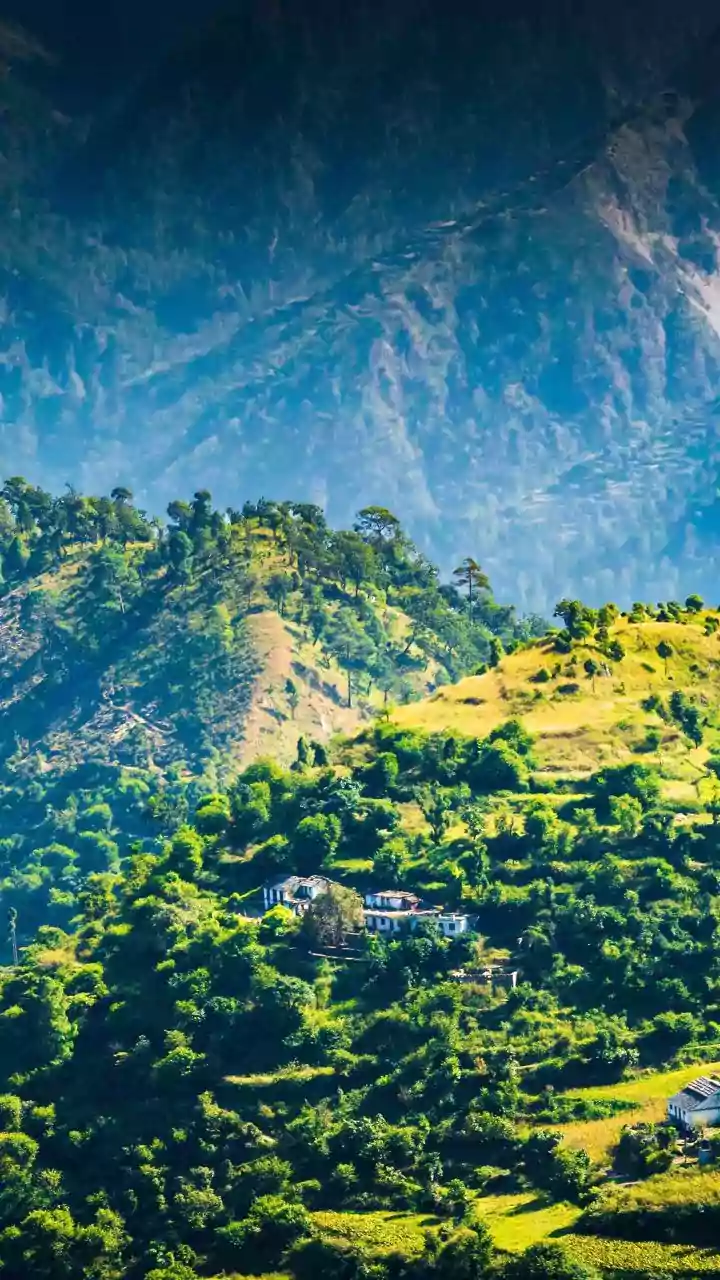
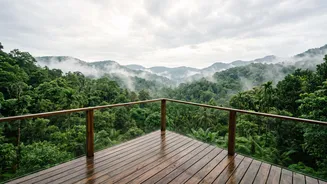
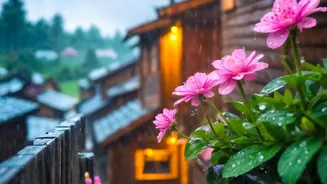
Visiting Wayanad between June and September is a unique experience. The rainy season transforms the district into an emerald paradise, with waterfalls like Soochipara and Meenmutty roaring at full strength and the landscape cloaked in a romantic mist.
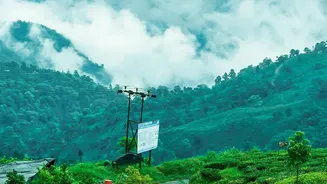
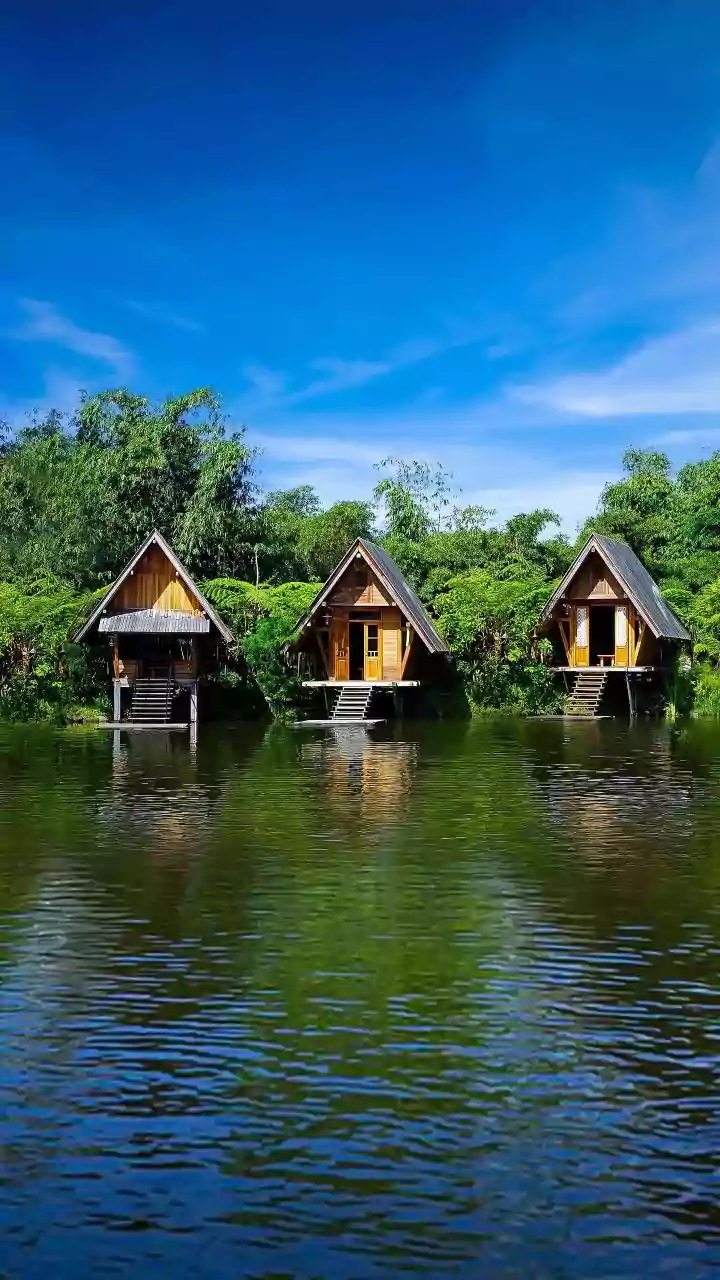
Unlike the crowded peak season, the monsoon offers a quieter, more serene atmosphere. The scent of wet earth, the vibrant green of the coffee and tea plantations, and the cool, pleasant weather create a perfect setting for nature lovers and those seeking a peaceful escape. Homestays, often nestled within plantations or forests, provide a front-row seat to this spectacle.
Choosing Your Rainforest Haven
The key to a safe monsoon trip is selecting the right accommodation. When booking a homestay, prioritise properties that are registered with tourism authorities and have a solid online presence with recent, verifiable reviews. Pay close attention to the homestay's exact location on a map. Wayanad is a large district, and some properties may be in isolated areas with poor road access, which can become problematic during heavy rains. Opt for stays in accessible areas like Kalpetta, Sultan Bathery, or Ambalavayal. Before booking, communicate directly with the host to ask about monsoon readiness, road conditions, and power backup. A reliable host will offer transparent information and local travel advice.
Your Essential Monsoon Packing List
Packing correctly is crucial for comfort and safety. Your bag should include a reliable waterproof jacket and a windproof umbrella, as showers can be sudden and accompanied by wind. Choose footwear with excellent grip, such as waterproof trekking shoes or anti-slip sandals; avoid flip-flops as paths become very slippery. Quick-dry clothing made from synthetic fabrics is far more practical than heavy cotton like jeans, which can take days to dry. Also, pack a light jacket or sweater for the cool evenings. Don’t forget waterproof bags or pouches to protect your electronics, a power bank, and a basic first-aid kit with mosquito repellent.
Navigating Wayanad Safely
Driving during the monsoon requires extra caution. The ghat roads, while scenic, feature hairpin bends and can be slippery. It is highly advisable to travel during daylight hours and avoid navigating these routes at night, especially during a downpour. If you're not confident driving, hire a local driver who is familiar with the terrain. Landslides can be a risk in hilly areas, so always check local advisories and road conditions before setting out. The Wayanad district administration often provides real-time updates. Be flexible with your itinerary, as some attractions, particularly trekking trails like Chembra Peak or certain waterfalls, may be temporarily closed for safety reasons during heavy rain.
The Leech Lowdown: A Practical Guide
Trekking through Wayanad's wet forests means you will likely encounter leeches. While they are harmless, they can be a nuisance. To protect yourself, wear long trousers and tuck them into thick, long socks to create a physical barrier. Applying a natural repellent like salt water, lemon juice, or neem oil on your shoes and socks can also deter them. Anti-leech socks are also a great investment for avid trekkers. After any walk through forests or grassy areas, make sure to check your shoes, socks, and skin. If you find a leech attached, don't panic or pull it off. Instead, gently slide a fingernail or a card under its mouth to break the seal, or dab it with salt.
Monsoon-Friendly Activities
While some high-altitude treks might be off-limits, there is still plenty to do. Visiting waterfalls when they are at their most powerful is a must, provided you adhere to safety guidelines and stay out of the strong currents. A drive to viewpoints like Lakkidi offers breathtaking scenes of mist-filled valleys. Boating on Pookode Lake can be a serene experience in a light drizzle. Many homestays also offer indoor activities, or you can simply relax on a covered verandah with a book and a hot cup of tea, enjoying the sound of the rain. Off-road jeep safaris and guided walks through spice plantations can also be exhilarating in the rain.