






Why Choose Low-Impact?
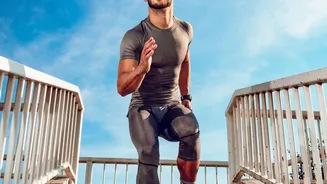
Low-impact cardio is any form of aerobic exercise that minimizes stress and jarring forces on your joints. Unlike running or plyometrics where both feet leave the ground, these activities ensure at least one foot is on the floor or your body is supported,
such as in water. This makes it an ideal choice for individuals with arthritis, a history of joint injuries, or anyone looking to build a sustainable fitness routine without risking pain and inflammation. The best part? 'Low-impact' does not mean 'low-intensity'. You can still achieve a significant calorie burn, strengthen your cardiovascular system, and see incredible results, all while protecting your knees, hips, and ankles.
Swimming: The Full-Body Workout
Swimming is often hailed as one of the best joint-friendly exercises, and for good reason. The buoyancy of water supports your body weight, removing almost all impact from your skeletal system. This environment allows you to move freely, often improving flexibility and range of motion without the pain associated with land-based activities. As an aerobic exercise, it strengthens your heart and improves your body's ability to use oxygen. Studies have shown that regular swimmers have lower risks of death from heart disease and stroke. The water also provides natural resistance, which helps to build muscle strength across your entire body, further supporting and protecting your joints.
Cycling: Indoors or Out
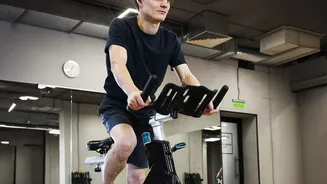
Whether on a stationary bike or cruising through your neighbourhood, cycling is an excellent way to boost cardiovascular fitness while being gentle on your knees. The smooth, circular motion avoids the jarring impact of running. Research has even suggested that lifelong cyclists may experience less knee pain. Studies have found cyclists have a significantly lower prevalence of knee arthritis compared to non-cyclists. It strengthens the major muscles in your legs—quadriceps, hamstrings, and glutes—which helps to create more stable and supported knee joints. For a safe and effective workout, ensure your bike is fitted correctly to avoid strain, and focus on maintaining a steady cadence rather than pushing a very high resistance.
Brisk Walking: Simple and Effective
Never underestimate the power of a good walk. Turning a casual stroll into a brisk walk transforms it into a highly effective form of cardio. Brisk walking is defined by a pace that raises your heart rate and makes you breathe faster, but you can still hold a conversation. Regular walking wards off heart disease, lowers blood pressure, and strengthens the heart. Aiming for at least 150 minutes of moderate-intensity activity a week, which can be broken down into 30-minute walks five days a week, can significantly reduce your risk for heart disease. It is a weight-bearing exercise, which also helps to strengthen bones, yet remains low-impact and easy on the joints.
Elliptical Training: Mimicking Running Without the Impact
For those who enjoy the motion of running but not the impact, the elliptical machine is a fantastic alternative. Your feet remain on the pedals, eliminating the repetitive shock that travels through your joints during a run on a treadmill or pavement. This makes it a preferred choice for many people with knee pain or arthritis. The machine provides a full-body workout by engaging your arms and legs, helping to increase your stamina and aerobic capacity. By adjusting the resistance and incline, you can create a challenging workout that gets your heart pumping while keeping the movement smooth and controlled.