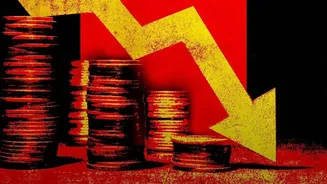







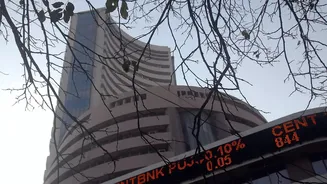

The frenzied era of sky-high valuations and listing day pops for Indian IPOs has given way to a more sober reality. In 2026, valuations have cooled significantly, begging the question: what changed? A perfect storm of global headwinds and domestic shifts
is reshaping the market.
The Global Money Squeeze
A primary driver of this valuation drop is the changing global financial landscape. Central banks worldwide, most notably the U.S. Federal Reserve, have been raising interest rates to combat inflation. When safer assets like U.S. Treasury bonds offer higher returns, global investors become more risk-averse. This triggers a flight of capital away from emerging markets, including India, which had previously benefited from a flood of foreign institutional investor (FII) money seeking high growth. This outflow of capital not only puts pressure on the stock market but also forces companies seeking to go public to be more realistic about their pricing. With less foreign capital chasing deals, the power has shifted from sellers to buyers, who now demand more reasonable valuations.
The Party's Over for 'Growth at Any Cost'
For several years, particularly in 2025, investors were enamoured with technology-led, new-age businesses, often prioritising rapid growth over profitability. This led to soaring valuations for many loss-making startups. However, the global tech stock correction and the poor post-listing performance of some of these companies have served as a reality check. As of March 2026, a significant percentage of companies listed in the previous fiscal year were trading below their issue price, making investors wary. The market sentiment has palpably shifted. Investors are no longer willing to pay steep premiums for future promises. Instead, there's a renewed focus on solid fundamentals: profitability, clear earnings visibility, and sustainable business models.
Verifying the 40% Correction
The 40% drop isn't just a sentiment; it's backed by data. The average Price-to-Earnings (P/E) multiple for companies launching an IPO fell from approximately 69.5x in 2025 to around 42x in 2026 — a decline of nearly 40%. This P/E ratio is a key valuation metric that shows how much investors are willing to pay for each rupee of a company's earnings. The sharp fall indicates that investors are now demanding more earnings for the price they pay. This shift is also influenced by the changing mix of companies going public. While 2025 was dominated by high-growth tech firms, 2026 has seen more established businesses in sectors like financial services and infrastructure enter the market at more moderate valuations.
Domestic Pressures and Regulatory Scrutiny
The pressure isn't just external. Domestically, the Reserve Bank of India has also been in a rate-hiking cycle to manage inflation, making borrowing more expensive and cooling some of the speculative heat in the market. Concurrently, the Securities and Exchange Board of India (SEBI) has been proactive. Witnessing the volatility and protecting retail investors has become a priority. SEBI has introduced stricter norms around IPOs, including proposals for longer lockin periods for anchor investors and tighter profitability requirements for smaller companies. While these regulations aim to improve market health and investor confidence in the long run, their immediate effect is to enforce greater discipline on pricing and curb the excesses of the past.