




The New Geography of Indian Careers
For decades, a corporate career in India meant moving to Mumbai, Delhi, or Bengaluru. That era is fading. A recent LinkedIn report identified cities like Visakhapatnam, Ludhiana, Surat, and Vadodara as some of the country's fastest-growing job markets.
This shift is driven by companies seeking lower operational costs, reduced employee attrition, and access to fresh talent pools. Industries from IT and AI to manufacturing and financial services are setting up shop in what are often called Tier-2 and Tier-3 cities. For professionals, this decentralization brings opportunity closer to home. However, it also introduces a new set of challenges that are beginning to shape career decisions in fundamental ways.
The Last-Mile Problem Becomes a Career Hurdle
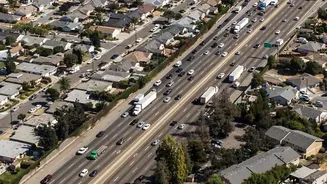
While these emerging hubs offer promising jobs, their public transport infrastructure often lags behind their rapid economic growth. The primary issue is often not the main transit system—like a new metro line—but the 'last-mile' connectivity required to get from the station to the office or home. In cities like Hyderabad and Pune, commuters report that the absence of reliable feeder buses and the high, unpredictable costs of auto-rickshaws and ride-hailing apps for short distances are a daily struggle. This turns the commute into a significant drain on both time and finances, with some employees spending more on the last-mile portion of their journey than on the main metro fare itself. This daily friction is no longer just an inconvenience; it's a structural barrier impacting quality of life.
The Commute's Impact on Productivity and Retention
A difficult commute is more than just a personal hassle; it's a business risk. Studies consistently show a direct link between long, stressful commutes and reduced job satisfaction, lower productivity, and higher employee turnover. One study found that employees with commutes of 30 minutes or less were significantly more likely to report a positive work-life balance compared to those with longer travel times. The daily grind of navigating traffic and unreliable transport leads to fatigue and stress, leaving employees drained before their workday even begins. As a result, what was once considered an employee's personal problem is now a strategic concern for HR departments, directly impacting a company's ability to retain talent and foster an innovative environment.
How Companies and Cities are Responding
Recognizing that a frustrating commute can undo the benefits of a good salary, companies are becoming more proactive. Many firms in the IT/ITES sector are now offering sponsored shuttle services, carpooling platforms, and, where possible, flexible or hybrid work arrangements to ease the travel burden. These transport solutions are no longer just a perk but a key tool for attracting and retaining talent. Simultaneously, city administrations are also beginning to respond. Cities like Surat and Indore are pushing to electrify their bus fleets, while Pune is focused on completing 'missing link' roads to improve network connectivity. Initiatives like the PM E-Bus Sewa Scheme, aimed at deploying thousands of electric buses in Tier-2 and Tier-3 cities, signal a growing awareness at the policy level that sustainable growth depends on solving urban mobility.