




A New Path for Tourism
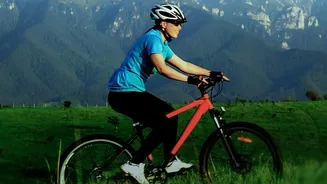
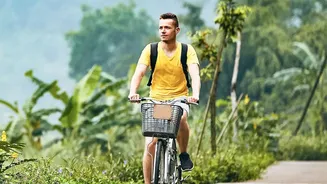
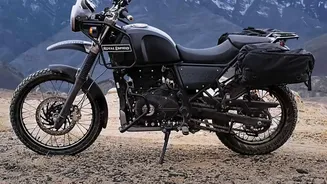
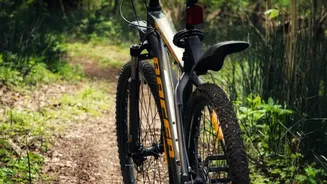
Parvathipuram Manyam, a district known for its rugged hills and rich tribal heritage, is embarking on an ambitious journey to position itself as a premier destination for bike tourism. The district administration has announced plans to develop dedicated
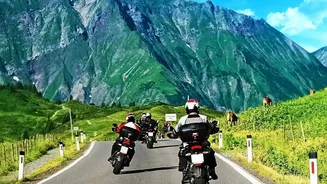
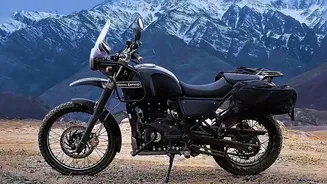
30-kilometre tourism circuits designed for motorcycle and bicycle enthusiasts. This initiative aims to harness the region's natural beauty while creating sustainable livelihood opportunities for local tribal communities. The plan is a formalization of an already popular trend, as the area's winding ghat roads and scenic landscapes have long attracted riders. The new push involves identifying safe routes, developing rest shelters, and ensuring secure overnight stay facilities to create a seamless experience for tourists. This follows a successful pilot program launched last year, which saw local Adivasi youth ferry tourists on motorcycles to remote waterfalls, a service that received a positive response.
More Than Just a Scenic Ride
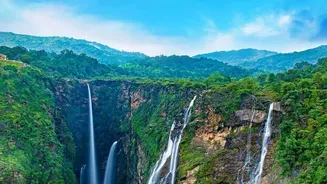
The allure of Manyam district lies in its treasure trove of natural and cultural attractions. The proposed bike routes will connect tourists to a network of at least 16 remote waterfalls, including stunning cascades like Moganali, Sikhaparuvu, and Lodda. The district has already been dubbed the “Home of Waterfalls,” having seen a surge of three lakh visitors in just three months after initial beautification and promotion efforts. Beyond the waterfalls, the region is home to pilgrimage sites like the Kashi Vishweshwara Temple and the Thotapalli Kalyana Venkateswara Swamy Temple, also known as 'Chinna Tirupati'. The tourism plan also includes promoting viewpoints like Adali, which offers panoramic vistas of the Vamsadhara Reservoir, and developing adventure activities such as rock climbing. This diverse offering ensures that a journey through Manyam is not just a ride, but a deep dive into the region's soul.
Pedalling Towards a Sustainable Future
At its heart, this initiative is about more than just tourism; it's a community-led model for sustainable development. A central goal is to generate revenue and employment directly for tribal youth, who will be trained as guides and service providers. This approach empowers local communities, giving them a stake in preserving their environment and culture. The focus on bike tourism is inherently eco-friendly, promoting a low-impact way to explore sensitive forest areas. The administration's efforts build upon the 'Adi Karma Yogi' initiative, which previously saw Adivasi communities take the lead in building small-scale infrastructure like bamboo bridges and clearing paths with minimal funding, a project that earned national recognition. By encouraging tourists to travel via motorcycles and bicycles, the district aims to avoid the pitfalls of mass tourism, ensuring that its natural assets are preserved for generations to come while providing economic benefits to those who call the region home.
The Road Ahead
While the vision is compelling, the journey is just beginning. The district administration, led by Collector N. Prabhakar Reddy, is focused on creating a comprehensive action plan. This involves mapping out the 30-km circuits across all four assembly constituencies and developing necessary infrastructure. Key to success will be ensuring the safety of riders, providing amenities like food stalls and clean toilets, and marketing the destination effectively. Plans are underway to create a dedicated website for booking and to install QR codes at major junctions to provide visitors with instant information about nearby attractions. A tribal museum is also being established in Seethampet to showcase and preserve the region's rich heritage, adding another layer to the visitor experience. The success of this bike tourism project could serve as a powerful blueprint for other regions in India looking to balance economic growth with environmental preservation.