






The Psychology of Scent
For decades, we’ve been conditioned to associate certain smells with cleanliness. The sharp tang of bleach, the fresh scent of pine, or the floral burst of lavender have become mental shortcuts for a germ-free environment. This is no accident. Cleaning
product manufacturers have spent years forging this connection, training our brains to equate strong, specific aromas with effective sanitation. When you smell that familiar scent, you feel a sense of accomplishment and safety. The problem is, this feeling is based on a psychological trigger, not scientific fact. The fragrance itself has no bearing on whether a surface is actually free of dirt and harmful microbes.
What Are You Really Smelling?
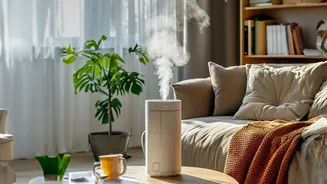
In most commercial cleaning products, the scent is simply a fragrance additive. These are chemical compounds designed to do one of two things: mask the unpleasant smell of the active cleaning agents or create a pleasant aroma to appeal to consumers. These fragrances do not contribute to the product's ability to clean or disinfect. In fact, the true smell of 'clean' is the absence of any smell at all—no must, no dust, and no artificial scents. What you're often smelling are Volatile Organic Compounds (VOCs), which are chemicals that easily vaporise at room temperature, filling your home with scents that can sometimes be more harmful than helpful.
Cleaning vs. Sanitizing vs. Disinfecting
A key part of debunking the 'smell of clean' myth is understanding that not all cleaning actions are equal. The terms are often used interchangeably, but they mean very different things. Cleaning is the physical removal of dirt, dust, and debris from a surface, which reduces the number of germs. Sanitizing lowers the number of remaining bacteria to a safe level, as defined by public health standards. Disinfecting, on the other hand, uses chemicals to kill nearly 100% of germs, including harmful bacteria and viruses, on a surface. A product can leave a strong lemon scent but might only be cleaning the surface without effectively sanitizing or disinfecting it. Effective disinfection often requires the product to sit on a surface for a specific amount of time to work, a step that is often overlooked.
The Hidden Risks of Fragrance
Beyond being misleading, the synthetic fragrances in many cleaners can pose health risks. The VOCs they release can contaminate indoor air, which can be significantly more polluted than outdoor air. Exposure to these VOCs can cause a range of issues, from headaches, dizziness, and eye or throat irritation to more serious long-term effects. For individuals with asthma or allergies, these fragrances can be potent triggers for respiratory distress. Studies have shown that both 'green' and conventional cleaning products can emit hundreds of unique VOCs, with many identified as potentially hazardous. Choosing fragrance-free products can be a crucial step in creating a healthier indoor environment.
How to Actually Tell If It's Clean
So, if you can't trust your nose, what should you rely on? First, focus on the process. True cleanliness starts with removing physical dirt and grime before attempting to disinfect. Read product labels carefully. Look for products with active ingredients that are proven to disinfect, and follow the instructions for contact time to ensure they work effectively. Consider using simpler, often fragrance-free, alternatives for many cleaning tasks. A solution of vinegar and water can be an effective cleaner for some surfaces, while baking soda is a great abrasive for scrubbing. For disinfection, look for products approved by health authorities and use them as directed. A truly clean home is one that is visually free of dirt, has been properly disinfected where necessary, and has neutral-smelling air—not one that’s been masked by a layer of artificial scent.