





What Makes a Shake 'Ultra-Processed'?
The term 'ultra-processed' refers to products that go through extensive industrial modification and contain numerous additives. In protein powders, this isn't just about the protein source (like whey or pea), but the long list of other ingredients added
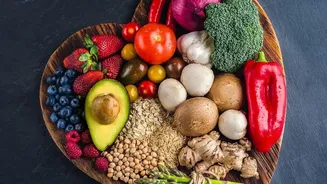
for flavour, texture, and shelf-life. Think artificial sweeteners like sucralose and aspartame, emulsifiers like carrageenan and various gums to prevent clumping, and artificial flavourings. A quick look at the label often reveals a dozen or more ingredients, many of which are lab-created and far from their natural state. This is a stark contrast to minimally processed protein from whole foods.
The Impact of Additives on Your Gut
This is where the warnings from experts get specific. Many of these additives can disrupt the delicate balance of your gut microbiome, the community of trillions of bacteria living in your digestive tract. Studies, largely in animals, have shown that artificial sweeteners can alter this balance, potentially decreasing beneficial bacteria like Bifidobacterium and Lactobacillus while feeding less helpful strains. Emulsifiers, designed to blend ingredients that would normally separate, are also under scrutiny. Research suggests some emulsifiers may damage the protective mucus layer of the gut, potentially contributing to inflammation and what is often called 'leaky gut'.
The Problem with 'Excessive' Consumption
Even for a healthy gut, there is a limit to how much protein it can efficiently absorb at once—roughly 10 grams per hour according to some experts. When you drink a shake with 30 or 40 grams of highly concentrated protein, you can overwhelm your small intestine's digestive capacity. The excess, undigested protein then travels to the colon, where it ferments. This process, known as proteolytic fermentation, can produce by-products that lead to uncomfortable symptoms like bloating, gas, and cramping. Over-relying on shakes can also displace fibre-rich whole foods from your diet, which are essential for nourishing beneficial gut bacteria.
Choosing a Gut-Friendlier Protein Powder
The good news is that not all protein powders are created equal. If you choose to use them, the key is to read the ingredient list carefully. Look for powders with a short, simple list of ingredients you can recognise. Opt for products that are unflavoured or sweetened with natural, gut-friendlier alternatives like stevia or monk fruit. Also, consider the type of protein. While whey concentrate contains lactose and can cause issues for many, whey isolate is filtered to remove most of it and is often better tolerated. There are also numerous plant-based options like pea, hemp, or brown rice protein that may suit your digestive system better.
Prioritising Whole Foods for Recovery
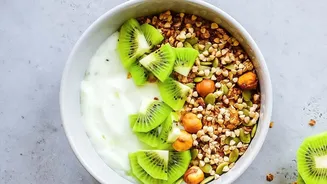
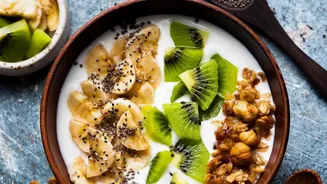
Experts agree that supplements should supplement, not replace, a healthy diet. For post-workout recovery, whole food sources of protein are always the best first choice. They come packaged with fibre, vitamins, minerals, and other compounds that support digestion and overall health. Excellent options include Greek yogurt (which also contains probiotics), a couple of boiled eggs, grilled chicken, lentils, or a smoothie made with whole ingredients like nut butter, seeds, and fruit. These provide the protein your muscles need without the cocktail of artificial additives found in many commercial shakes.