


1. Millets: The Ancestral Supergrain Returns
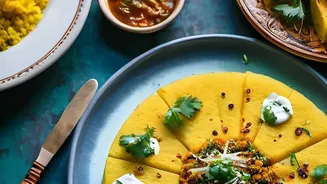
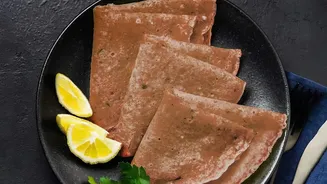
Once a humble staple, millets like ragi, jowar, and bajra are making a major comeback. Following a government push and a surge in health consciousness, these gluten-free grains are appearing in everything from dosa batters and pastas to breakfast cereals
and cookies. This trend points to a powerful desire to reconnect with traditional, climate-resilient foods that are packed with nutrients. It’s a clear move away from refined flours towards wholesome, indigenous alternatives.
2. Plant-Based Proteins: A Modern Shift
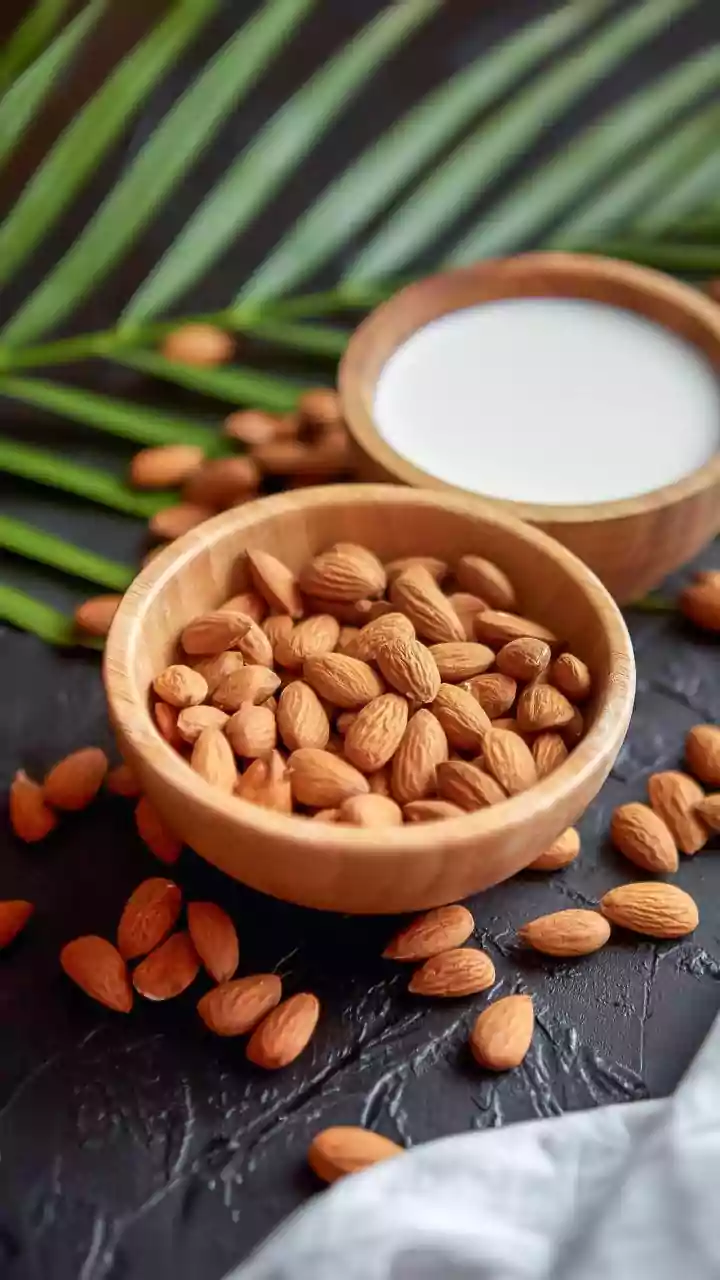
India's large vegetarian population is getting a modern upgrade with a boom in plant-based meats and dairy alternatives. Driven by Gen Z's focus on health, sustainability, and ethical eating, this sector is growing rapidly. Products like plant-based keema, sausages, and a variety of dairy-free milks and yogurts are no longer niche. This signals a shift where consumers want protein-rich options that align with both traditional values and modern environmental concerns.
3. Avocado: The Global Health Icon
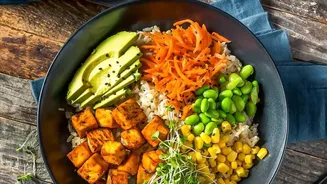
Avocado on toast is no longer just a Western fad; it’s firmly planted itself in urban Indian cafes and kitchens. Imports of the fruit have surged, reflecting a growing appetite for global superfoods. The popularity of avocados, despite their premium price, shows an increasing willingness among consumers to spend on ingredients perceived as healthy and nutrient-dense. It highlights the influence of global wellness trends and social media on the modern Indian diet.
4. Healthy Snacks: The Guilt-Free Munch
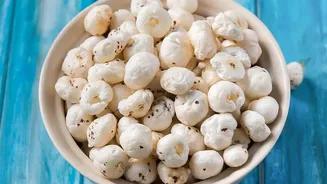
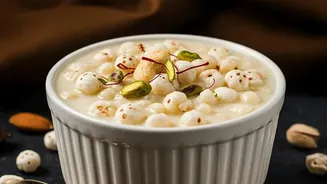
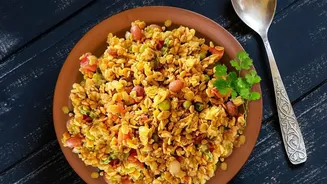
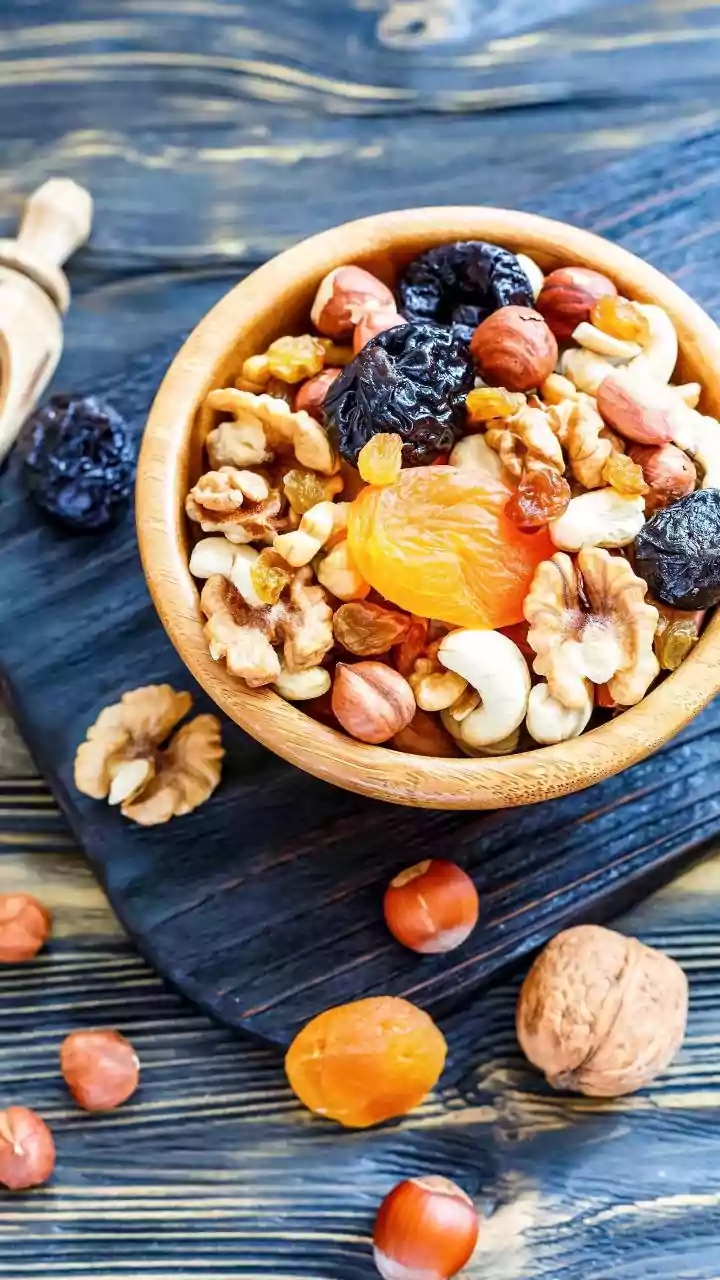
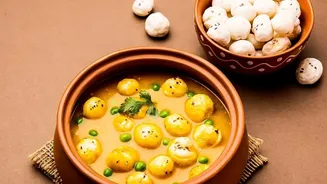
The traditional fried namkeen is facing stiff competition from a new generation of healthy snacks. Roasted makhana (fox nuts), kale chips, protein bars, and baked vegetable crisps are taking over pantries. A recent survey showed that a vast majority of consumers now prioritize protein and clear ingredient labels when choosing a snack. This trend indicates a conscious move away from empty calories towards functional, better-for-you snacking between meals.
5. Specialty Coffee: The Brew Awakening
India is undergoing a coffee revolution. Beyond traditional filter coffee and instant mixes, a sophisticated café culture is blossoming, centered on high-quality, single-origin Indian beans. Homegrown brands and micro-roasters are educating consumers about different brewing methods like pour-overs and cold brews. This growing demand for specialty coffee indicates a desire for premium, artisanal experiences and a deeper appreciation for the story behind the product.
6. Ready-to-Cook (RTC) Kits: Convenience is King
For the time-pressed urban professional, Ready-to-Cook and Ready-to-Eat (RTE) meals are a lifesaver. The market for everything from packaged biryanis and dal makhani to fresh meal kits is expanding rapidly. This isn't about compromising on taste anymore; it's about efficiency. The rise of RTC foods reflects the reality of modern Indian life, where long work hours and smaller households make convenience a top priority.
7. Regional Superfoods: Discovering Our Own
While global superfoods are popular, there's a parallel movement to rediscover India's own nutritional powerhouses. Ingredients like moringa (drumstick leaves), amla (Indian gooseberry), and turmeric are being celebrated for their immense health benefits and are finding their way into juices, supplements, and everyday cooking. This trend signifies a growing pride in local ingredients and traditional wellness knowledge, like Ayurveda.
8. Fermented Foods: The Gut Health Craze
The global focus on gut health has found a receptive audience in India. While traditional fermented foods like yogurt and dosa have always been part of our diet, there's now a growing interest in kombucha, kimchi, and kefir. This indicates an increasing awareness of the microbiome's role in overall wellness and a willingness to adopt international health practices alongside our own.
9. Greek Yoghurt: Protein-Packed Dairy
The dairy aisle is seeing a protein-focused transformation. Greek yoghurt and other strained, high-protein yoghurts are replacing sweeter, dessert-style versions. This shift shows that consumers are becoming more label-savvy, actively seeking out products that offer functional benefits like higher protein content for better satiety and muscle health, even in everyday staples like dahi.
10. Quinoa and Ancient Grains: The Modern Staples
Like millets, other ancient grains such as quinoa and amaranth have found a firm footing in health-conscious Indian households. Valued for being high in protein and gluten-free, they are often used as alternatives to rice and wheat in salads, pulaos, and breakfast bowls. Their sustained popularity points to a lasting dietary shift where nutritional profiles and benefits are becoming just as important as taste and tradition.