




Ghevar from Rajasthan
This disc-shaped sweet, with its distinctive honeycomb texture, is a Rajasthani monsoon icon. Made from a batter of flour and ghee fried to a perfect crisp and then soaked in sugar syrup, Ghevar is synonymous with the festivals of Teej and Raksha Bandhan,
both of which fall during Sawan. Often topped with rabri (thickened sweet milk), slivered nuts, and saffron, it’s a rich, indulgent sweet that celebrates the joy and renewal of the rainy season. Its availability is limited to these few monsoon months, making it a much-awaited treat.
Sabudana Khichdi from Maharashtra
A beloved fasting staple, especially during the Sawan Somwar (Monday) fasts, Sabudana Khichdi is a light yet incredibly filling dish. This Maharashtrian favourite is made with soaked tapioca pearls (sabudana) tossed with roasted peanuts, boiled potatoes, cumin seeds, and green chillies. It offers a wonderful mix of soft and crunchy textures. While it is a go-to for those observing a vrat (fast), its comforting and savoury flavour has made it a popular breakfast and snack item for everyone, perfectly suited for a rainy day.
Malpua from North & East India
Malpua, often described as India’s ancient pancake, is a decadent sweet with a history stretching back millennia. These small, fluffy pancakes are made from a batter of flour, milk, and sometimes mashed banana, which is deep-fried in ghee and then doused in sugar syrup. In many parts of North and East India, particularly Bihar, Uttar Pradesh and Odisha, Malpua is prepared during festivals and is often offered to deities like Lord Shiva during Sawan. It's a rich, energy-dense sweet that provides a fulfilling treat during a month of fasting and festivities.
Kuttu ki Puri from Uttar Pradesh
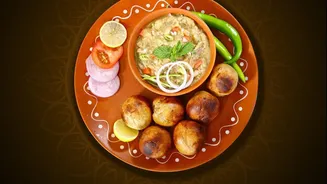
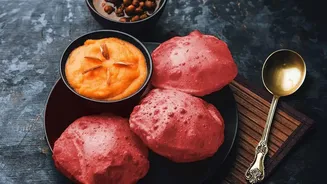
For many North Indian families, Sawan fasts are incomplete without dishes made from kuttu ka atta, or buckwheat flour. This gluten-free flour is considered suitable for vrat and is used to make crisp, slightly nutty-flavoured puris. The dough is typically made by mixing the flour with mashed boiled potatoes and rock salt (sendha namak), then rolled out and deep-fried. These puris are often served with a simple, comforting potato curry (vrat wale aloo) cooked without onion or garlic, creating a wholesome and traditional fasting meal.
Patra or Patrode from Gujarat & Coastal Karnataka
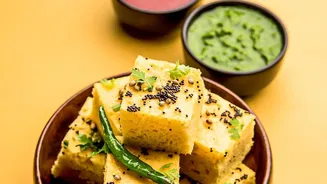
The monsoon brings an abundance of colocasia (arbi) leaves, and this unique savoury snack makes the most of them. Known as Patra in Gujarat and Patrode in coastal Karnataka, the dish involves smearing the large leaves with a spiced paste of gram flour (besan) or a rice and lentil mixture. The leaves are then layered, rolled tightly, steamed, and sliced into rounds. These spirals can be eaten as is, or pan-fried for a crispier texture. It's a delicious blend of spicy, tangy, and sweet flavours that perfectly captures the essence of monsoon cooking.
Anarsa from Maharashtra & Bihar
Anarsa is a traditional, pastry-like sweet that holds special significance during festive seasons, including Sawan. Made from a dough of soaked and ground rice flour mixed with jaggery or sugar, it's a dish that requires patience and skill. The process involves fermenting the dough for a couple of days before small discs are formed, coated with poppy seeds on one side, and then carefully fried in ghee. The result is a beautifully textured sweet that is crisp on the outside and delectably soft and chewy on the inside, popular in states like Maharashtra and Bihar.
Makhana Kheer from Bihar
Makhana, or puffed fox nuts, are a nutritious and versatile ingredient commonly used in fasting foods. In Bihar, where makhana is widely cultivated, a creamy and comforting kheer made from these seeds is a Sawan specialty. The fox nuts are lightly roasted in ghee until crisp, then simmered in milk until it thickens. Flavoured with cardamom, saffron, and sweetened to taste, this dessert is garnished with nuts for added richness. It's a lighter alternative to grain-based kheers and serves as a perfect, calcium-rich dessert to conclude a fasting day meal.