





The Seat is Everything
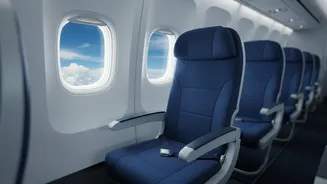
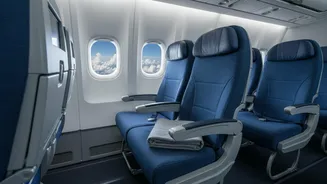
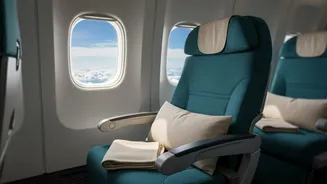
The single most important factor for comfort on a long flight is your seat. We're not talking business class versus economy, but the subtle differences within the same cabin. An airline's standard seat pitch—the distance from one point on a seat to the same point on the one in front—can
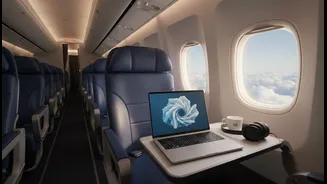
vary. While many economy cabins offer a pitch of 31-33 inches, some can be tighter. An extra inch or two might not sound like much, but over 12 hours, it's the difference between your knees jamming into the seatback and having enough room to cross your legs. Likewise, seat width is critical. An 18-inch-wide seat feels far more generous than a 17-inch one, especially when you're trying to get some sleep. Some studies suggest an extra inch of width can improve comfort more than several inches of pitch. These small measurements dictate your personal space for the entire journey, affecting everything from your ability to work on a laptop to simply resting without constantly bumping into your neighbour.
Power and Distraction
The modern long-haul experience is increasingly dependent on our personal devices. A dead phone or tablet upon landing can be a real problem. That's why the availability and type of in-seat power is a crucial, albeit small, detail. Many newer aircraft offer both a universal AC plug and USB ports, sometimes including the faster USB-C type. This ensures you can keep your devices charged and ready for arrival. Equally important is the in-flight entertainment (IFE) system. While many passengers now bring their own devices, a responsive seatback screen with a good selection of movies and shows remains a highly valued feature. In fact, recent surveys show a majority of passengers still prefer using the seatback screen. A laggy interface, a poor selection, or a broken headphone jack can make a long flight feel even longer. Reliable in-flight Wi-Fi, once a luxury, is now an expectation for many travellers who want to stay connected for work or with family.
Atmosphere and Amenities
Beyond the hardware, the ambient environment of the cabin plays a huge role. The configuration of seats—such as a 2-4-2 layout versus a more crowded 3-4-3—can significantly impact how spacious the cabin feels and reduces the number of undesirable middle seats. The quality of the air, including humidity levels, can also affect how you feel, with newer aircraft often boasting more advanced circulation systems. But it's often the smallest touches that leave a lasting impression. The quality of the blanket and pillow, the contents of the amenity kit in premium economy, and the design of the tray table all contribute to the overall experience. Even the design of the lavatory and its cleanliness throughout the flight can influence a passenger's perception of comfort and care.
Service That Makes a Difference
Finally, the human element cannot be overstated. The service style and attentiveness of the cabin crew are huge differentiators. On a long-haul flight, small acts of service, like proactive offers of water to stay hydrated or a friendly response to a request, can significantly enhance passenger well-being. The timing and quality of meal services also play a part in breaking up the journey and helping passengers adjust to new time zones. An airline that offers a decent meal, served with a smile, will always be remembered more fondly than one that makes you feel like an inconvenience. It’s this soft product, the feeling of being looked after, that often sticks with travellers long after they’ve forgotten the exact seat pitch.