



Valley of Flowers, Uttarakhand
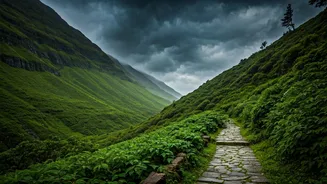
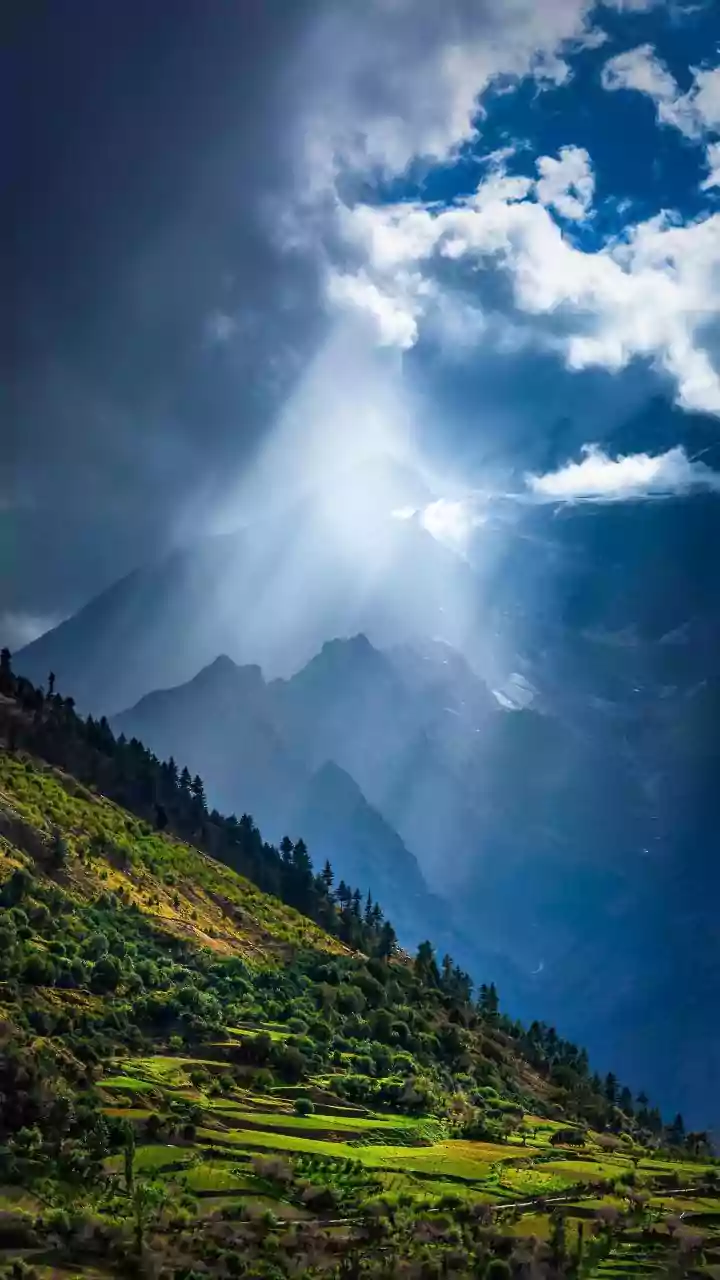
High in the Himalayas, this UNESCO World Heritage Site spends much of the year as a stark, snow-covered expanse. But from late July to September, the monsoon rains and snowmelt work in tandem to awaken a miraculous floral spectacle. The entire valley
floor becomes a vibrant carpet of over 500 species of alpine flowers, many of which are found nowhere else. Rare blue poppies, potentillas, and geraniums bloom in waves of color against a backdrop of misty peaks and glistening glaciers. It’s not just a place but an ephemeral event, a high-altitude meadow that exists in its full glory for only a few months, making a monsoon trek here a truly once-in-a-lifetime experience.
Meghalaya: The Abode of the Clouds
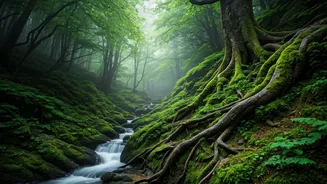
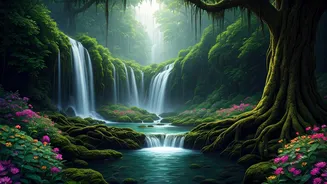
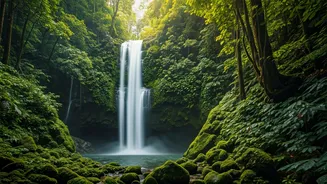
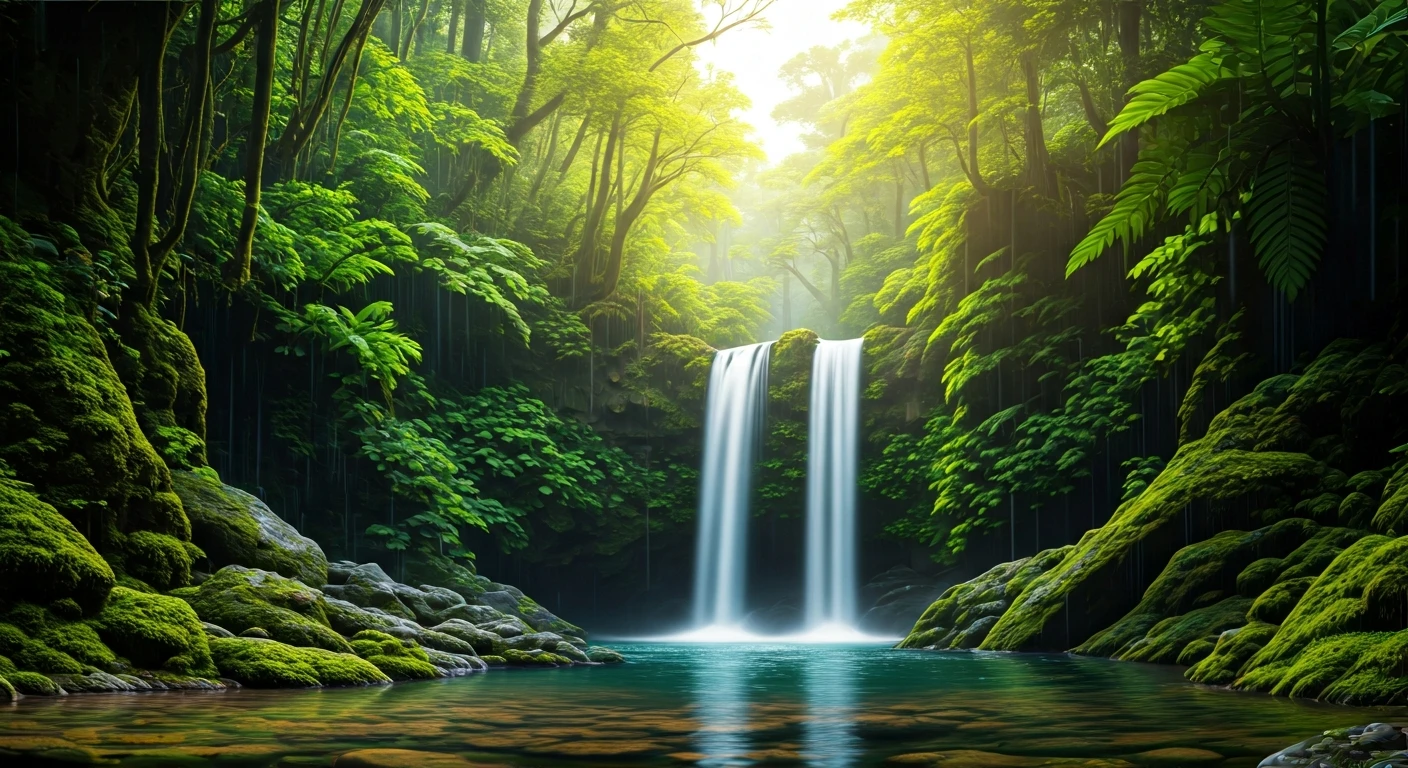
Home to Cherrapunji and Mawsynram, two of the wettest places on Earth, the northeastern state of Meghalaya is engineered for rain. During the monsoon, it fully embodies its Sanskrit name, “the abode of the clouds.” Hillsides that were merely green become a saturated, impossible emerald. Waterfalls, some dormant for months, thunder back to life, carving new paths down dramatic cliffsides. The state’s famous living root bridges, patiently woven from the aerial roots of rubber fig trees by the indigenous Khasi and Jaintia peoples, become slick, mystical pathways through a dripping, primordial forest that feels untouched by time.
Orchha, Madhya Pradesh
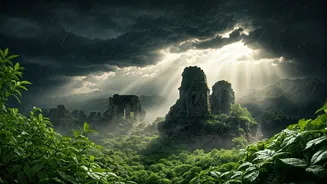
In the dry heat of central India, the grand cenotaphs and crumbling palaces of Orchha stand as stoic, sand-colored monuments to a bygone era. When the monsoon swells the Betwa River, the scene is utterly changed. The ancient stone of the temples and chhatris (cenotaphs) darkens with rain, while bright green moss fills the crevices. The reflection of the grand architecture shimmers on the fast-flowing, muddy river. The parched, scrubby landscape gives way to a lush, pastoral kingdom, making the magnificent ruins feel less like historical relics and more like a living part of a rejuvenated, romantic world.
The Western Ghats
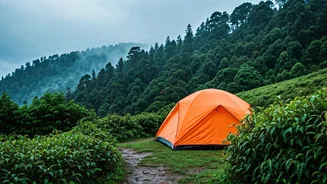
Stretching down India's southwestern coast, this mountain range is a biodiversity hotspot that pulses with life during the monsoon. In popular hill stations like Munnar in Kerala or Coorg in Karnataka, the rolling hills of tea and coffee plantations are draped in a permanent, shifting mist. The air grows heavy with the scent of wet earth, blooming ginger lilies, and rich spices. The soundscape changes entirely, shifting from the quiet hum of insects to the constant, meditative drumming of rain on broad leaves and the distant roar of newly engorged streams. It’s an immersive, sensory experience that feels like stepping inside a greenhouse the size of a state.
Bhandardara, Maharashtra
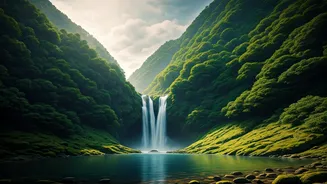
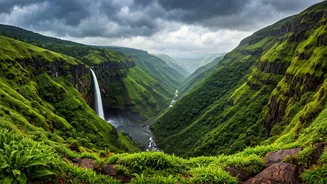
A quiet reservoir town a few hours from Mumbai, Bhandardara is a local secret that becomes a regional spectacle from July to September. The landscape is defined by the massive Wilson Dam and the serene Arthur Lake. When the rains are heavy, the dam's sluice gates open, creating a thunderous sheet of water known as the Umbrella Falls. Nearby, the Randha Falls cascades with incredible force into a deep gorge. But the real magic is in the journey itself; the entire region, a series of rugged hills and deep valleys, is streaked with hundreds of temporary waterfalls, turning a simple drive into a journey through a glistening water-world.