


The Ground Beneath Your Feet
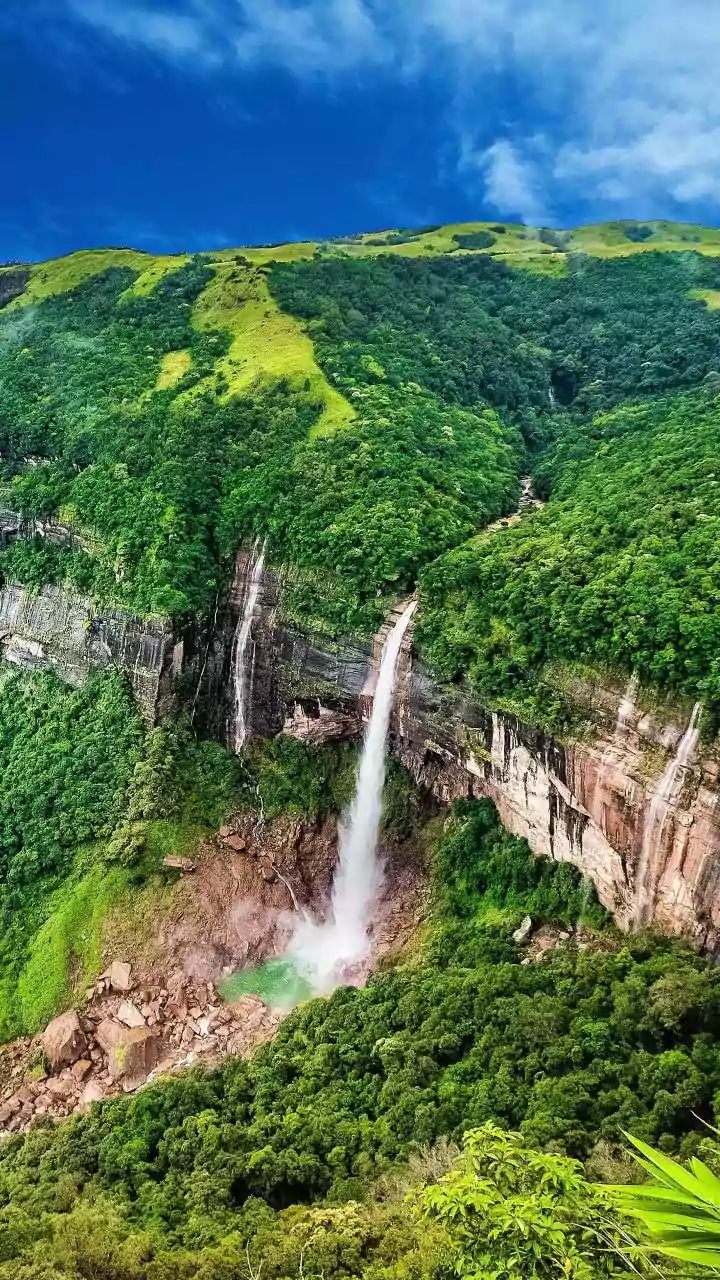
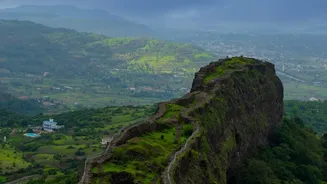
The primary challenge of a Western Ghats trek, especially during and after the monsoon, is the terrain itself. Trails that are pleasant in winter can transform into treacherous paths. The dark, volcanic rock, common in the Sahyadris, becomes incredibly
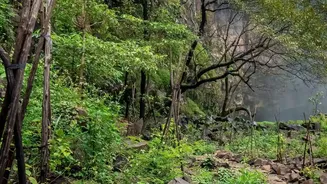
slippery when wet. Compounding this are steep grassy slopes that lose their stability and become slick, muddy inclines where a simple misstep can lead to a long, uncontrolled slide. Forested sections are a web of wet roots and loose soil. Regular sports shoes or sneakers simply don't have the specialised grip required to handle these surfaces. Their flat soles, designed for pavement, will clog with mud and offer zero traction, turning every step into a gamble. This is why experienced trekkers view footwear not as an accessory, but as the single most critical piece of safety equipment.
Choosing The Right Footwear
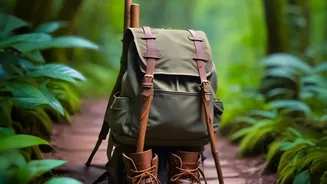
Your shoes are your connection to the trail, and for the Ghats, you need a strong one. Look for trekking shoes, not just any sports shoe, with deep lugs on the outsole. These act like teeth, biting into mud and gripping onto uneven rock. Materials like Vibram soles are renowned for their traction on wet surfaces. Ankle support is the next critical feature. Mid or high-ankle boots prevent your ankle from rolling on unstable ground, one of the most common trekking injuries. While waterproof shoes sound ideal for the monsoon, they can sometimes trap water that gets in from the top, leading to soaked feet. An alternative approach favoured by many is to use non-waterproof, quick-drying shoes paired with waterproof socks. This combination allows water to drain out of the shoe while keeping your feet dry. Whichever you choose, ensure your shoes are at least half a size larger than your normal size to accommodate thicker socks and natural foot swelling.
Beyond the Boots: Essential Gear
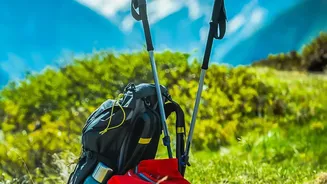
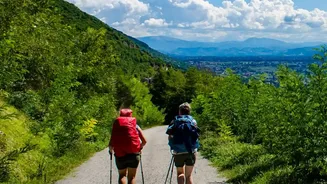
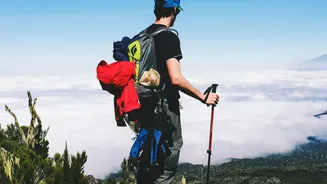
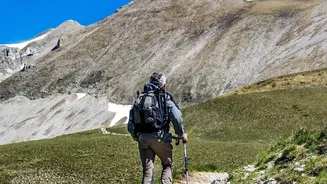
While footwear is foundational, other gear is equally non-negotiable. First is reliable rain protection. A simple poncho can work, but a two-piece waterproof jacket and pants offer better mobility and protection from wind and water seeping in. Your backpack needs to be protected by a rain cover to keep your spare clothes, food, and electronics dry. A headlamp or torch is essential, even on a day trek; a delayed start or a wrong turn can easily mean you're walking back in the dark. Trekking poles are a game-changer for stability, acting like a second pair of legs on slippery descents and stream crossings, taking significant strain off your knees. Finally, a basic first-aid kit, customised with blister tape, antiseptic for cuts, and any personal medications, is a must-carry.
The Unseen Challenges
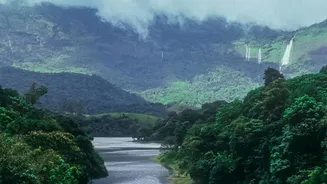
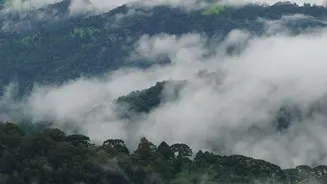
The Ghats are teeming with life, and some of it can be a nuisance. Leeches are an unavoidable part of the monsoon trekking experience in forested areas. While harmless, they can be disconcerting. Specialised leech socks or gaiters that go over your pants and shoes create an effective barrier. If one does latch on, a pinch of salt or sanitizer will make it drop off. The weather itself is a major factor. Mist can descend in minutes, reducing visibility to near zero and making navigation difficult. This is why carrying a map or a GPS device and knowing how to use it is vital. It's also why trekking alone is strongly discouraged; a simple sprain can become a serious emergency if you're by yourself with no phone signal.
Smart Trekking is Safe Trekking
The most important safety gear is knowledge and planning. Before you go, check the weather forecast and local conditions. Many trails are officially closed during heavy monsoons due to risks of landslides or flash floods. Always inform a friend or family member of your exact itinerary and expected return time. Hire a local guide if you're unfamiliar with the trail. They possess invaluable knowledge about safe paths, water sources, and potential hazards. Carry enough water and high-energy snacks like nuts or energy bars. Dehydration and fatigue lead to poor decision-making. Thinking about safety isn't about being fearful; it's about being respectful of the mountains and empowering yourself to have a confident, enjoyable, and incident-free adventure.