

Creamy Makhana Kheer
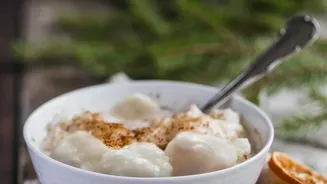
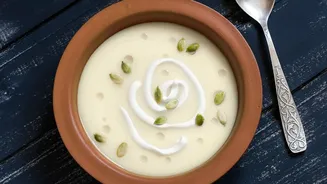
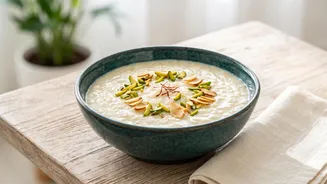
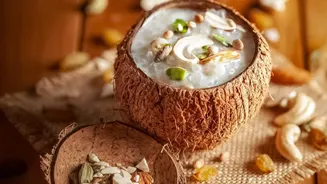
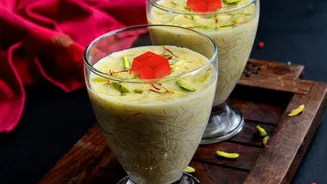
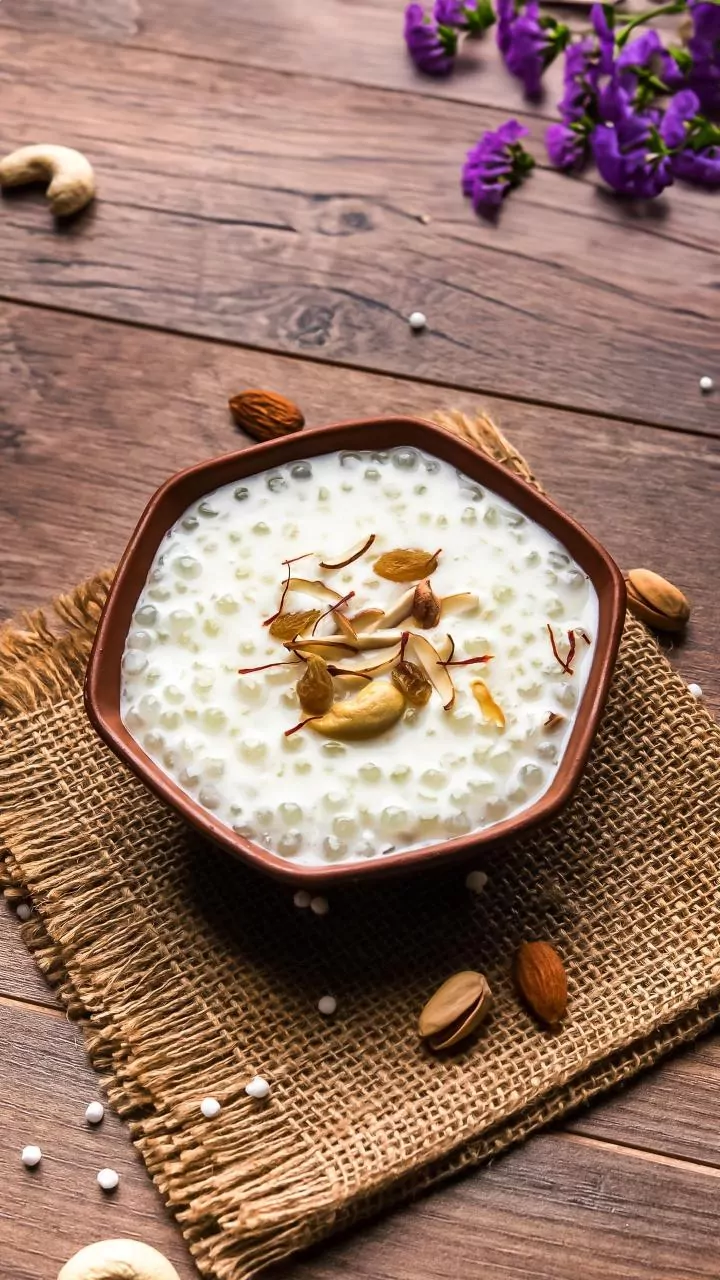
A staple during fasts and festivals, Makhana Kheer is both nutritious and divine. This creamy pudding is made with phool makhana (fox nuts), which are puffed lotus seeds. The makhanas are typically roasted in ghee until crisp, then simmered in milk until it thickens
into a luscious consistency. Flavoured with cardamom, saffron, and garnished with chopped nuts like almonds and pistachios, this kheer has a unique texture, with the soft makhanas melting in your mouth. It’s a wholesome and comforting dessert that feels special enough for a bhog offering, yet is simple enough for anyone to prepare at home. Its connection to fasting foods makes it particularly suitable for the devotional aspects of Janmashtami.
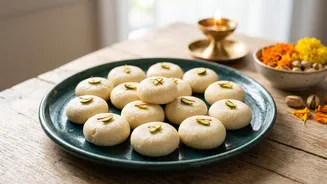
Rich and Grainy Kalakand
Kalakand is a classic Indian milk cake celebrated for its soft, grainy texture and rich, milky flavour. Traditionally, it's made by painstakingly reducing sweetened milk for hours, but modern recipes often use paneer and condensed milk for a quicker preparation that still delivers on taste. The resulting sweet is a moist, crumbly fudge that is mildly sweet and intensely milky. Its pure dairy essence makes it a fitting tribute to Lord Krishna, who grew up in the pastoral community of Gokul, a village renowned for its milk and butter. Garnished simply with slivered pistachios, Kalakand is a sophisticated yet soulful addition to any festive platter.
Sweet and Savoury Gopalkala
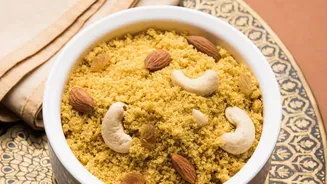
More than just a dish, Gopalkala is a tradition in itself, especially in Maharashtra where the day after Janmashtami is named after it. This unique prasad is a no-cook mixture that holds deep mythological significance. It is said to represent the meals Lord Krishna would share with his friends, the gopas (cowherds), where they would pool whatever food they had. The dish is a vibrant mix of poha (flattened rice), fresh yoghurt, milk, cucumber, and a pinch of salt and sugar, sometimes tempered with green chillies and ginger. This blend of sweet, savoury, and tangy flavours is also what fills the Dahi Handi, the pot broken during the festival's lively street celebrations. Offering Gopalkala is like recreating a moment of communal joy from Krishna’s own life.
Thick and Luscious Rabri
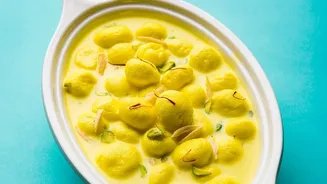
Rabri is the epitome of indulgence, a dessert that celebrates milk in its most concentrated form. It is made by simmering full-fat milk in a wide, heavy-bottomed pan over a low flame for a long time. As layers of cream (malai) form on the surface, they are carefully moved to the side of the pan. This process continues until the milk has significantly reduced and thickened. Finally, the collected layers of cream are stirred back into the condensed milk, along with sugar, saffron, and cardamom. The result is a sweet, scoopable dessert with incredible texture and richness. Served chilled and garnished with nuts, Rabri is a luxurious offering that can be served on its own or as an accompaniment to other sweets like malpua.
Syrupy Malpua Delight
Malpua are deep-fried, pancake-like sweets that are crispy on the edges and soft and fluffy in the centre. While recipes vary across regions, the batter often includes flour, semolina, and milk or khoya (milk solids), and is delicately flavoured with fennel seeds and cardamom. After being fried in ghee to a perfect golden-brown, the malpuas are typically dunked in a fragrant sugar syrup. In some traditions, they are served with a generous topping of Rabri, creating a truly decadent combination. These sweet, syrupy discs are a festive favourite across North India and their comforting, celebratory nature makes them a wonderful choice for Janmashtami bhog.