

A New Definition of Cool
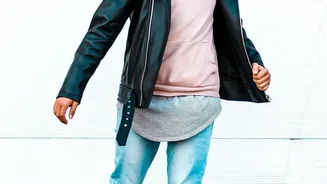
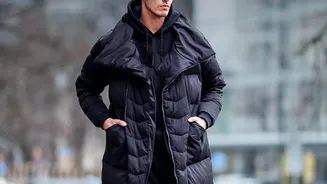
Not long ago, Indian streetwear was largely defined by global trends, with hip-hop and skate culture influencing a generation. Today, however, a distinct identity is emerging. Young, homegrown labels are leading a movement that pairs the comfort and confidence
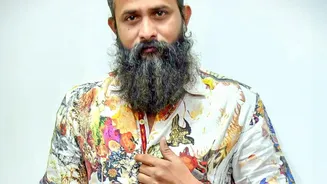
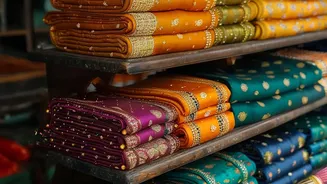
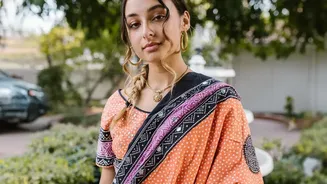
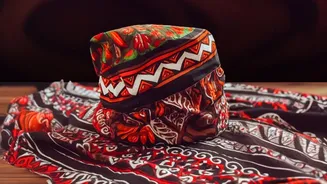
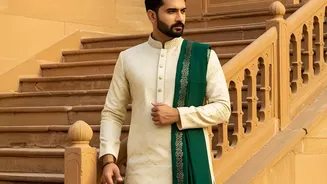
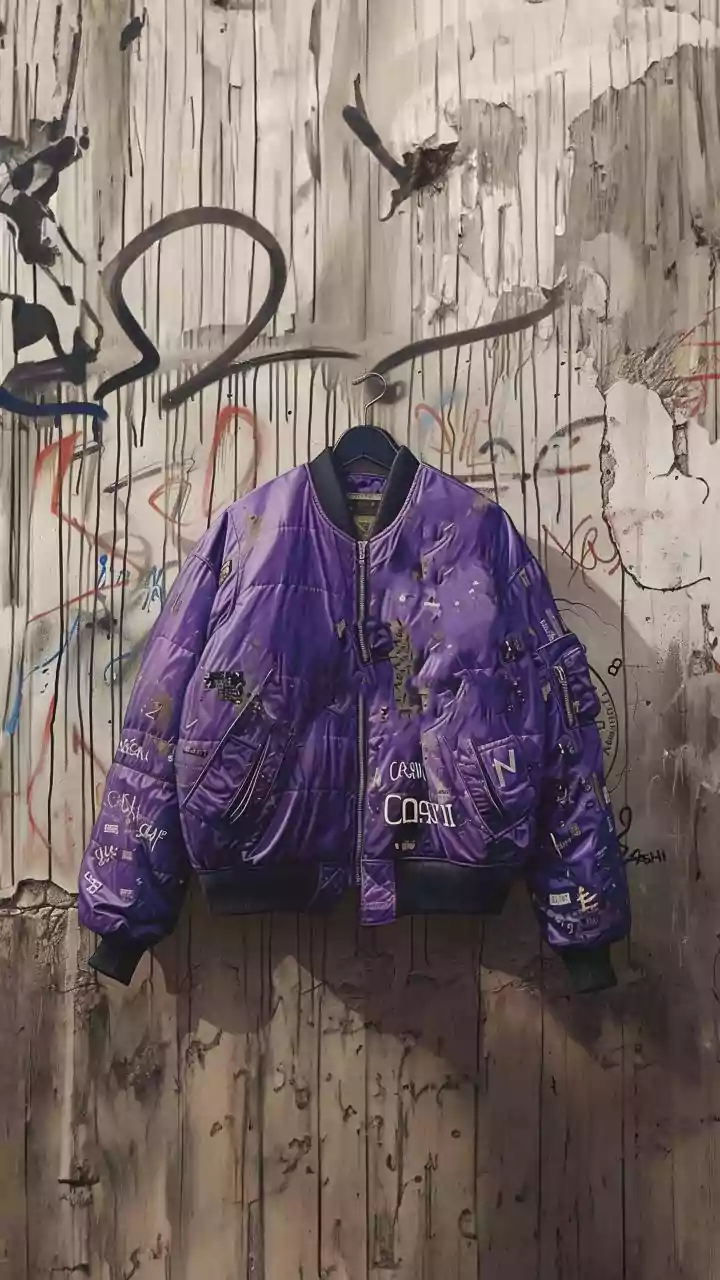
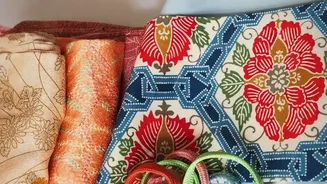
of streetwear—oversized hoodies, relaxed-fit pants, and statement jackets—with the rich heritage of Indian textiles. Fabrics like Khadi, Jamdani, and Ikat, once primarily associated with saris and kurtas, are now being fashioned into bomber jackets, co-ord sets, and graphic tees. Brands such as Johargram, which works with textiles from Jharkhand, and 11.11/eleven eleven, known for its use of hand-spun Khadi and natural indigo dyes, are pioneering this fusion. This blend isn't just about aesthetics; it's a cultural reset, redefining what is considered modern and cool for a new generation of Indians.
A Search for Authenticity and Identity
For many young Indians, this fashion movement is a way to connect with their roots in a world dominated by globalised, fast-fashion culture. Gen Z and millennials are increasingly seeking self-expression through their clothing, looking for pieces that tell a story and reflect a unique identity. Handloom fabrics, with their centuries-old history and regional distinctiveness, offer exactly that. Wearing a handwoven Ikat jacket or a block-printed hoodie becomes a subtle act of cultural pride. It’s a departure from simply copying international styles, representing a newfound confidence in India's own design language. This shift reflects a generation that is globally aware but wants to remain locally grounded, creating a style that is both contemporary and deeply personal.
The Power of Conscious Consumption
The rise of handloom streetwear is also intrinsically linked to a growing global consciousness around sustainability. The fast fashion industry is one of the world's largest polluters, notorious for its high carbon footprint, excessive water usage, and chemical waste. In stark contrast, handloom production is inherently eco-friendly. Looms are typically powered by human energy, significantly reducing the carbon footprint. Many brands also champion the use of natural, plant-based dyes, which are biodegradable and far less harmful than industrial synthetic dyes. Fabrics are often made from natural, biodegradable fibres like cotton, silk, and wool. For a generation increasingly wary of environmental impact, choosing a handwoven garment over a mass-produced one is a deliberate, ethical choice. It's a vote for slow fashion, durability, and a cleaner planet.
Supporting Artisans and Preserving Craft
This trend does more than just create cool clothes; it provides a crucial lifeline to India's artisan communities. The handloom sector is the country's second-largest employer after agriculture, supporting millions of weavers, many of whom are women in rural areas. By creating a modern market for these traditional textiles, designers are helping preserve ancient weaving techniques that might otherwise be lost. Many contemporary brands now collaborate directly with weaving clusters across the country, ensuring artisans receive fair wages and recognition for their incredible skill. This model empowers local economies and gives weavers the autonomy and financial stability to continue their craft. When you buy a piece of handloom streetwear, you are often investing directly in the livelihood of the person who wove the fabric, creating a human connection that fast fashion lacks.