





The Power of Kitchen Waste
Every year, households generate a significant amount of food waste, much of which ends up in landfills, releasing harmful greenhouse gases. By repurposing kitchen scraps, you not only reduce your environmental footprint but also create 'black gold' for
your garden. Vegetable peels, fruit cores, and coffee grounds are packed with essential nutrients that plants need to thrive. Instead of buying expensive fertilisers, you can harness the natural cycle of decomposition to build healthier, more resilient soil right in your own backyard, improving its structure and ability to retain water.
Coffee Grounds: A Gardener’s Secret Weapon
Your morning coffee habit can do more than just wake you up; it can invigorate your garden. Used coffee grounds are a fantastic source of nitrogen, a key nutrient for lush, green leaf growth. They also contain potassium and phosphorus in smaller amounts. A common misconception is that used grounds are highly acidic, but the brewing process neutralizes most of the acid, leaving them with a pH that is generally safe for most plants. You can sprinkle a thin layer directly onto the soil around your plants or, for best results, add them to your compost pile, where they act as a nitrogen-rich 'green' material. They help the compost pile heat up, speeding up decomposition.
Vegetable Scraps: From Waste to Wonder
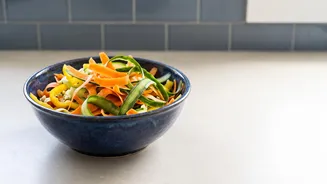
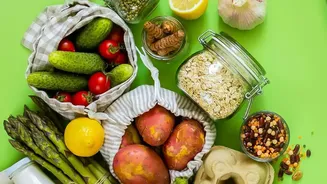
The parts of vegetables you typically discard—like carrot peels, potato skins, onion skins, and wilted lettuce—are full of valuable nutrients that can be returned to the soil. As these organic materials break down, they release nitrogen, potassium, and other trace minerals, creating a slow-release fertiliser that nourishes your plants over time. Banana peels are particularly high in potassium, which is excellent for flowering and fruiting plants. Simply chop up your scraps to help them decompose faster and add them to your compost. This process not only enriches your soil but also improves its texture and water-holding capacity.
Simple Ways to Use Your Scraps
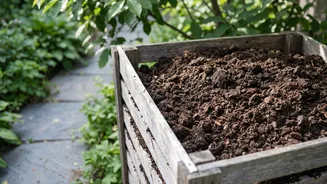
The most effective way to process kitchen waste is through composting. Create a pile or use a bin, and layer your 'greens' (vegetable scraps, coffee grounds) with 'browns' (dried leaves, shredded cardboard, sawdust). Keep the pile moist and turn it occasionally to aerate it. If you lack space or time for a full compost pile, you can try 'trench composting' by burying scraps directly in the garden bed a few inches deep. Another quick method is to create a 'compost tea'. Simply soak vegetable scraps in a bucket of water for a few days, then strain the liquid and use it to water your plants for a quick nutrient boost.
What to Leave Out of the Pile
While most fruit and vegetable scraps are excellent for composting, there are some items you should avoid adding to a simple home compost pile. Meat, fish, bones, dairy products, and oily or greasy foods should be left out as they can attract pests, create foul odours, and slow down decomposition. While small amounts of citrus peels, onions, and garlic are generally fine, large quantities can be too acidic or may deter the beneficial microorganisms that do the work of composting. It is also wise to avoid adding diseased plant matter, which could potentially spread pathogens back into your garden.